
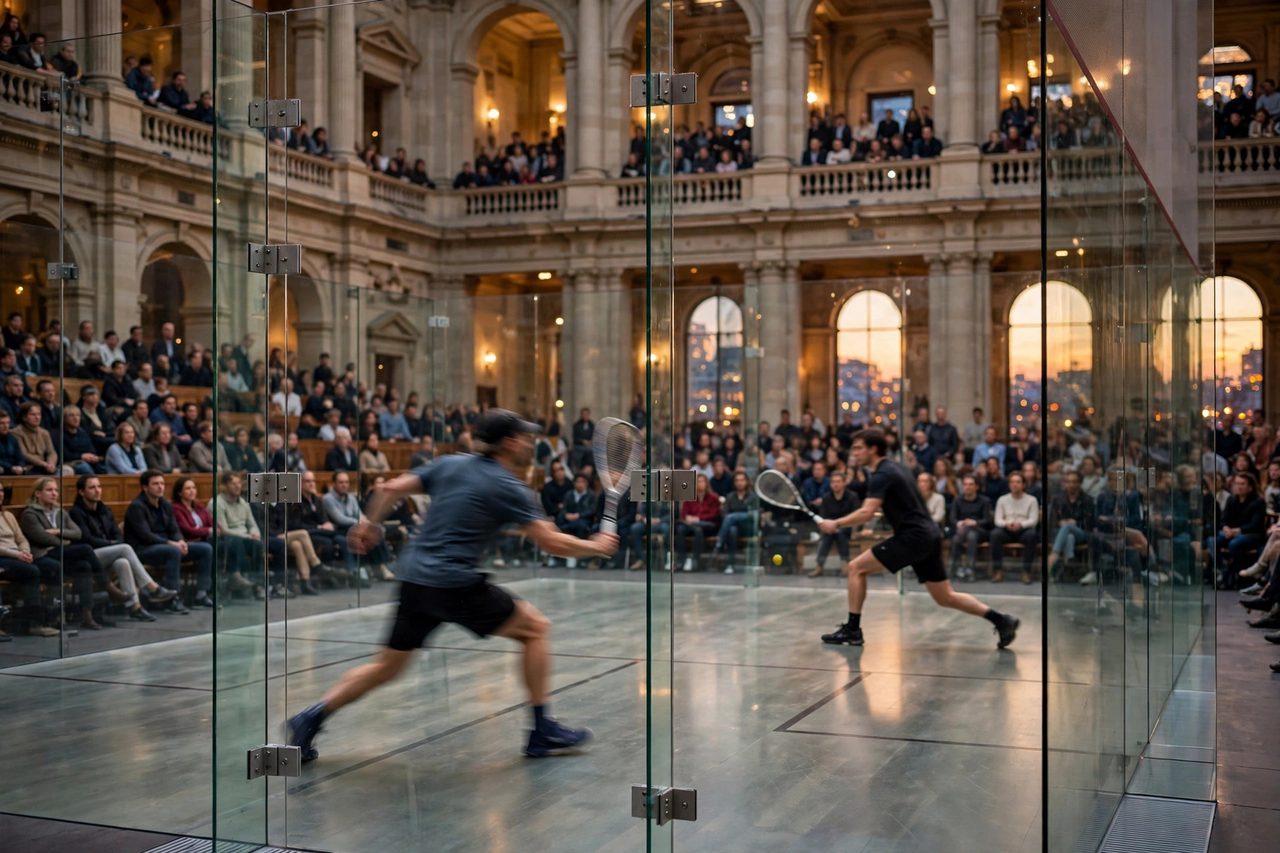
For most of its life, squash had a visibility problem. The game was fast, tough and thrilling to play — but almost impossible to watch.
A traditional squash court is a small box with solid walls on three sides. Only the back wall lets anyone see in, and even then the view is poor. The ball is small and dark. The players move at full speed in a tight space. From the few seats behind the glass, you mostly saw backs and blur.
So for decades, squash stayed where it started: inside private clubs, behind closed doors, watched by a handful of members. The sport had world-class athletes and nobody to show them to.
Then someone had a simple idea. What if the walls were glass?
A court you can see through
An all-glass squash court has four walls made of clear glass panels, held up by a frame. A “rally” is a long exchange of shots between two players, and on a glass court you can finally follow every one of them — from the front, the sides and the back, all at once.
The first portable glass court appeared in 1982, at a tournament in a hotel ballroom in Toronto. Until then, tournaments were stuck in clubs, because that was where the courts were. A court you could build, take apart and move changed everything. Suddenly a tournament could go anywhere.
And it did. Over the next forty years, squash showed up in places no one expected: grand train stations, shopping malls, city squares, waterfronts and famous landmarks. The court became a stage, and the crowd became part of the show.
The train station that changed everything
The most famous example sits in New York. The Tournament of Champions — one of the biggest events on the PSA World Tour, which is the professional tour for the world’s top players — moved into Vanderbilt Hall at Grand Central Terminal in 1995.
Grand Central is one of the busiest train stations in the world. Hundreds of thousands of people pass through it every day. The tournament builds its glass court right in the middle of the hall, under the chandeliers, with seats wrapped around it. Commuters on their way home stop, stare, and stay. You can even watch for free through the front wall.
The tournament paused during the station’s renovation in the late 1990s, then came back in 1999 and has stayed ever since. It is now the only sports championship held every year inside Grand Central Terminal. For many Americans, it is the first — and sometimes the only — squash they ever see.
That is the real trick of the glass court. It does not wait for fans to come to squash. It brings squash to where the people already are.
A court on the waterfront
The same idea travelled the world. In Hong Kong, the Hong Kong Open puts its glass court on the waterfront at Tsim Sha Tsui, with Victoria Harbour behind it. In London, the Canary Wharf Classic plays inside the East Wintergarden, a glass-roofed hall above a shopping mall, where office workers and shoppers wander in and end up watching world-class sport over lunch.
In both places, the effect is the same. People who never planned to watch squash stop to look. The glass walls do the marketing. A sport that once hid in back rooms now performs in public, in daylight, in front of strangers.
The court itself kept improving too. Designers stripped away the metal struts that used to block the view, so sightlines are cleaner. Lights under the floor make the court glow at night. Music plays between games. Referees can check close calls on video replay, just like in tennis. All of it was designed for one audience: the person watching, whether in the seats or on a screen.
Why it mattered
None of this was just about looking good. Squash spent years trying to get into the Olympic Games, and the feedback was always the same: the sport was hard to watch on television. The glass court was the answer. Cameras can now film from every angle. Viewers at home can follow the ball, read the players’ movement and feel the speed.
That work paid off. Squash will make its Olympic debut at Los Angeles 2028 — and the glass show court is a big part of why the sport finally looks ready for the biggest stage in sport.
There is a lesson here that goes beyond squash. A sport does not grow just because it is good. People have to be able to see it. For a century, squash asked fans to find a club, learn the rules and squeeze into a few seats behind a wall. The glass court flipped that around: it put the game in the middle of daily life and let curiosity do the rest.
Walk through Grand Central in January, or past the Hong Kong waterfront in December, and you will see it happen in real time. A commuter pauses. A shopper stops. A kid presses their face to the glass. A “let” is when play stops because something got in the way and the point is replayed — but nobody needs to know that yet. First, they just need to watch. The glass court makes sure they can.
Related articles
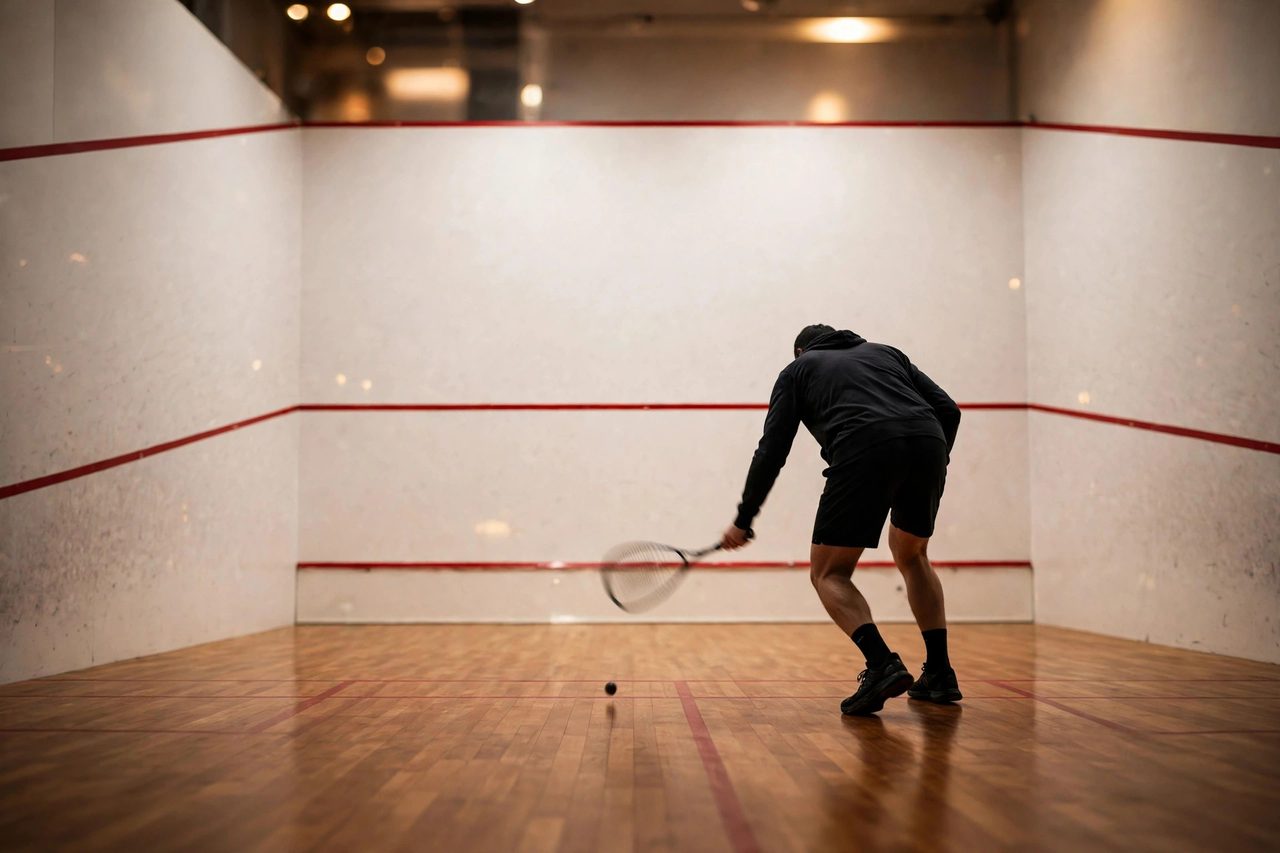
The Squash Ball: Why the Ball That Barely Bounces Makes Squash So Hard
A cold squash ball drops like a stone. Warm it up, and it comes alive. Here is the strange science behind the smallest, quietest ball in racquet sports — and the coloured dots that tell you which one to play with.
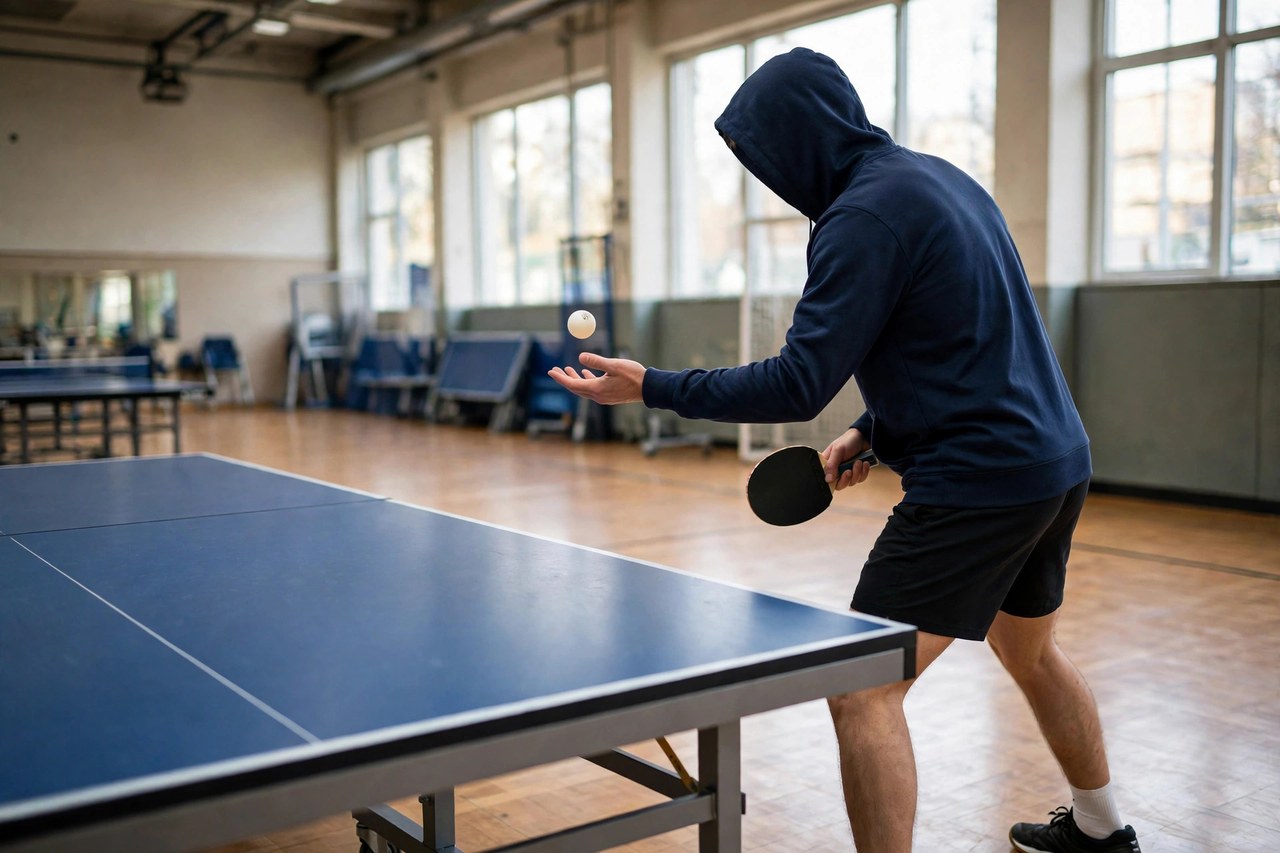
From Celluloid to Plastic: The Little Ball That Changed Table Tennis
The table tennis ball is smaller than a golf ball and weighs less than a coin — yet it has been changed twice in 25 years, and players still argue about it.
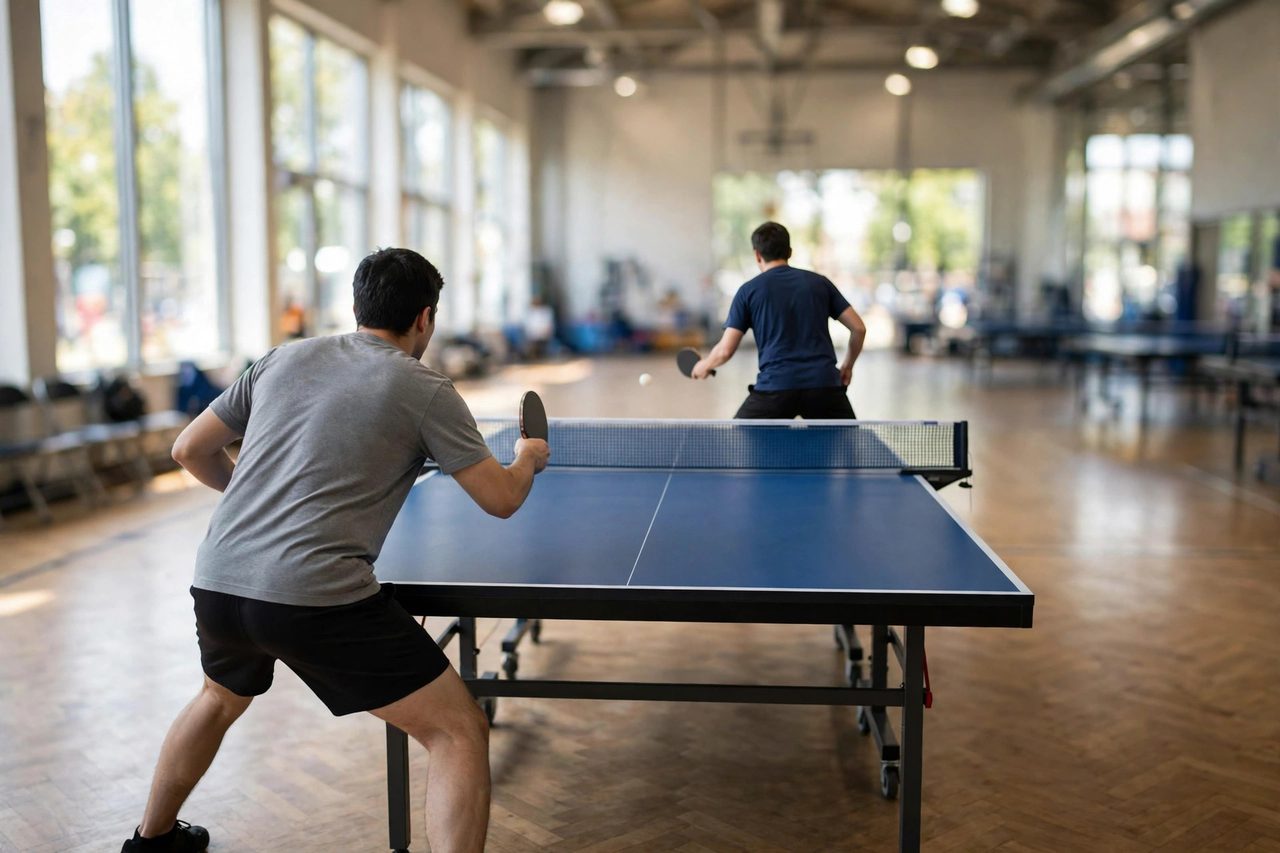
Ping Pong vs Table Tennis: One Sport, Two Names, One Big Argument
Ping pong and table tennis are the same sport, so why do we argue about the name? The answer starts with a trademark from 1901.