
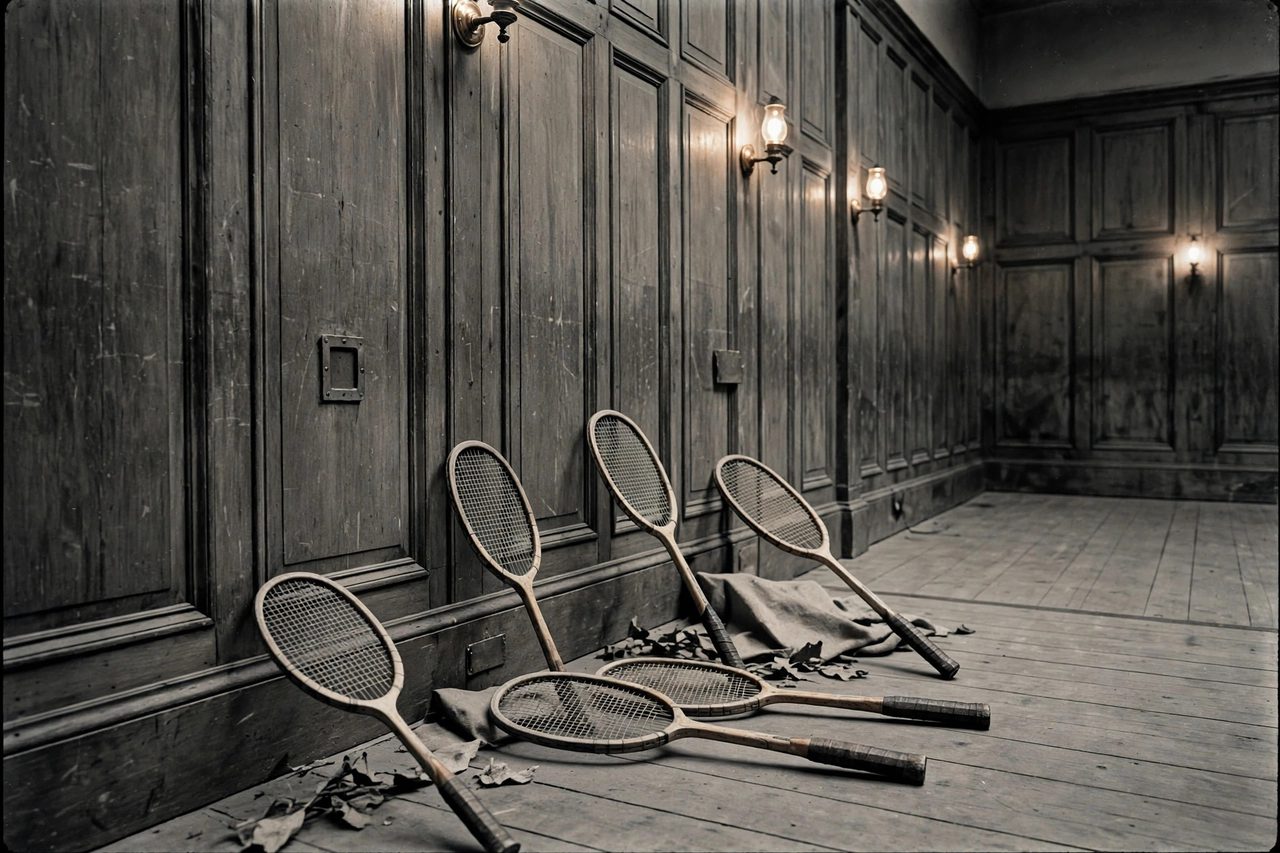
Squash began with boredom and a broken ball. In the 1830s, pupils at Harrow School in London — waiting their turn on the school’s racquets courts — started knocking around a punctured racquets ball that squashed on impact, producing a slower, livelier game in a smaller space. They called it “squash,” after the soft ball, and built the first purpose-built squash court at Harrow in 1864.
It is one of sport’s great origin stories: an accident of schoolboy impatience that became a global game.
The English century
For its first hundred years, squash was an English institution. It spread through public schools, universities, army barracks and gentlemen’s clubs, carried across the British Empire by officers and administrators who built courts wherever they were posted. The rules were codified in England, the first professional championship was staged there, and the British Open — first held in 1930 — became the sport’s unofficial world championship for decades.
This was squash’s paradox: a working-class-accessible game (all you need is a wall, a ball and a racquet) wrapped in an upper-class English identity. That image would take a century to shake.
The Pakistani era
The first great disruption came from Pakistan. In the 1950s, Hashim Khan — a squash coach at a British officers’ club in Peshawar who had learned the game watching from the gallery — won the British Open and announced a new power in the sport. What followed was one of the most dominant dynasties in all of sports: Jahangir Khan, who went unbeaten for more than five years in the 1980s, and then Jansher Khan, who carried Pakistani dominance into the 1990s.
The Khans changed how squash was played — fitter, faster, more relentless — and proved the sport’s future lay far beyond England.
Egypt takes over
The second disruption was Egyptian. Starting in the 2000s and accelerating through the 2010s, Egypt produced an extraordinary conveyor belt of champions in both the men’s and women’s games, built on a club system in Cairo and Alexandria, fierce junior competition, and a style of play — wristy, deceptive, fearless — that the rest of the world is still trying to decode.
At the same time, the women’s game found its defining champion in Malaysia’s Nicol David, whose eight world titles and nine-year reign at world No. 1 made her one of the most dominant athletes in any sport.
The professional era
The institutions caught up with the players. The World Squash Federation, founded in 1967, now spans the globe; the PSA runs a professional tour with events on every continent; glass show courts turned the sport into a made-for-television spectacle.
And then came the final validation the sport had chased for decades: Olympic inclusion at Los Angeles 2028. From a punctured ball at Harrow to the Olympic programme in under two centuries — not bad for a schoolboy improvisation.
Related articles
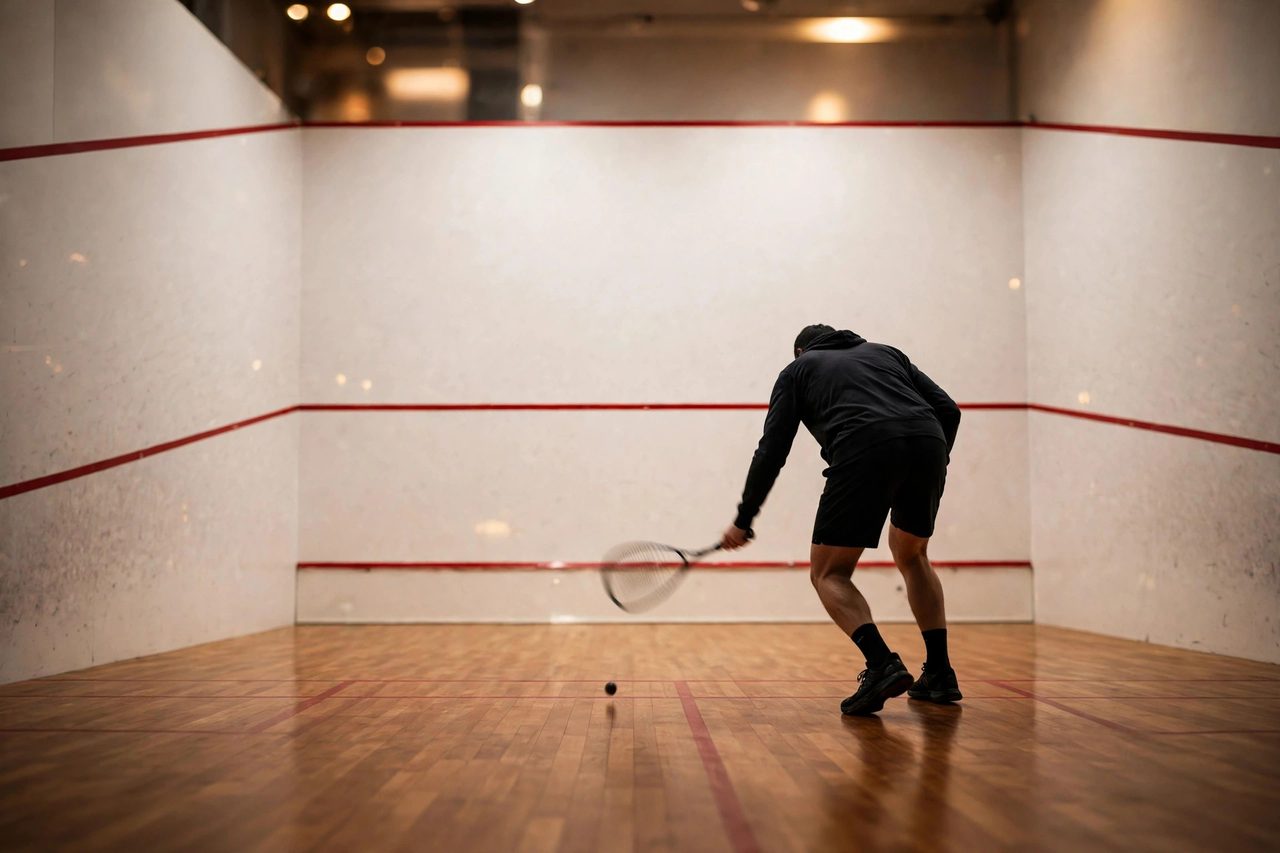
The Squash Ball: Why the Ball That Barely Bounces Makes Squash So Hard
A cold squash ball drops like a stone. Warm it up, and it comes alive. Here is the strange science behind the smallest, quietest ball in racquet sports — and the coloured dots that tell you which one to play with.
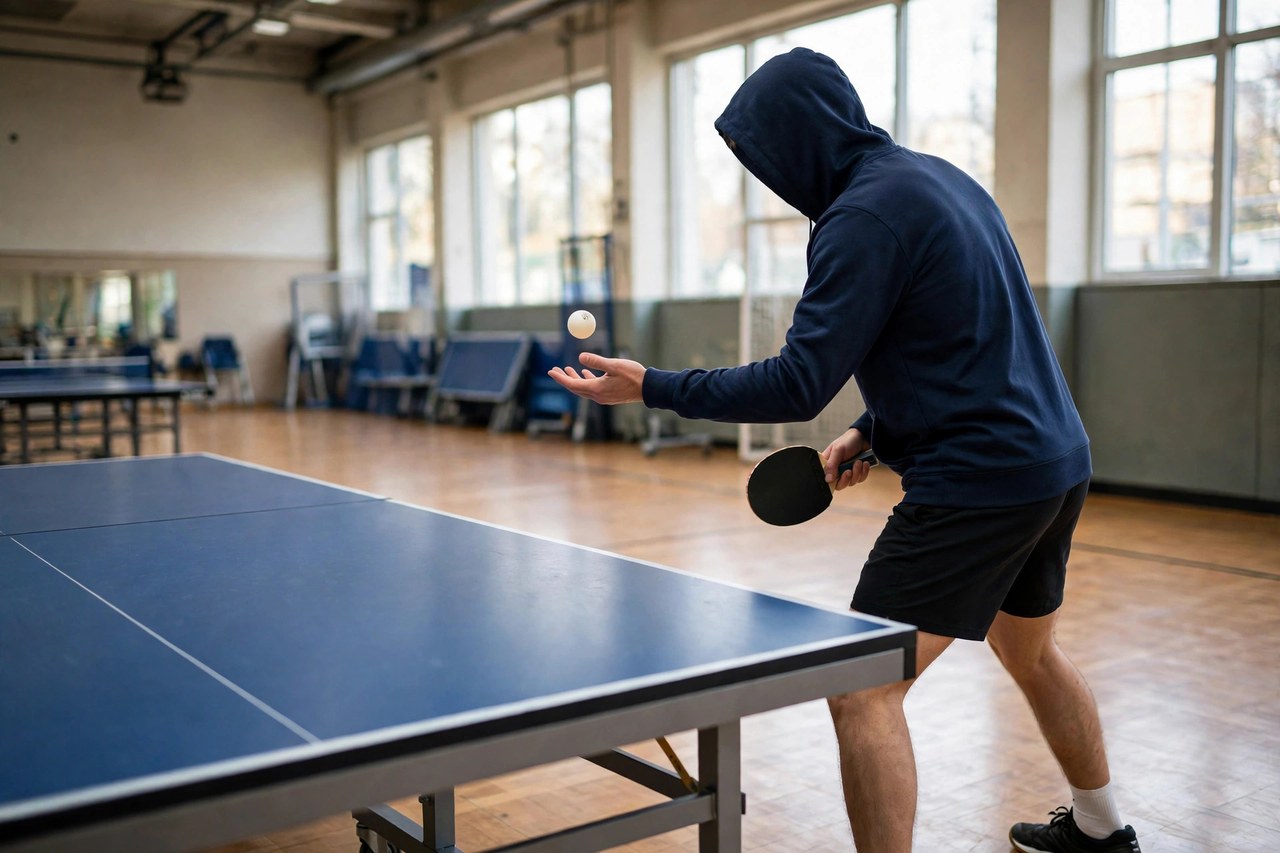
From Celluloid to Plastic: The Little Ball That Changed Table Tennis
The table tennis ball is smaller than a golf ball and weighs less than a coin — yet it has been changed twice in 25 years, and players still argue about it.
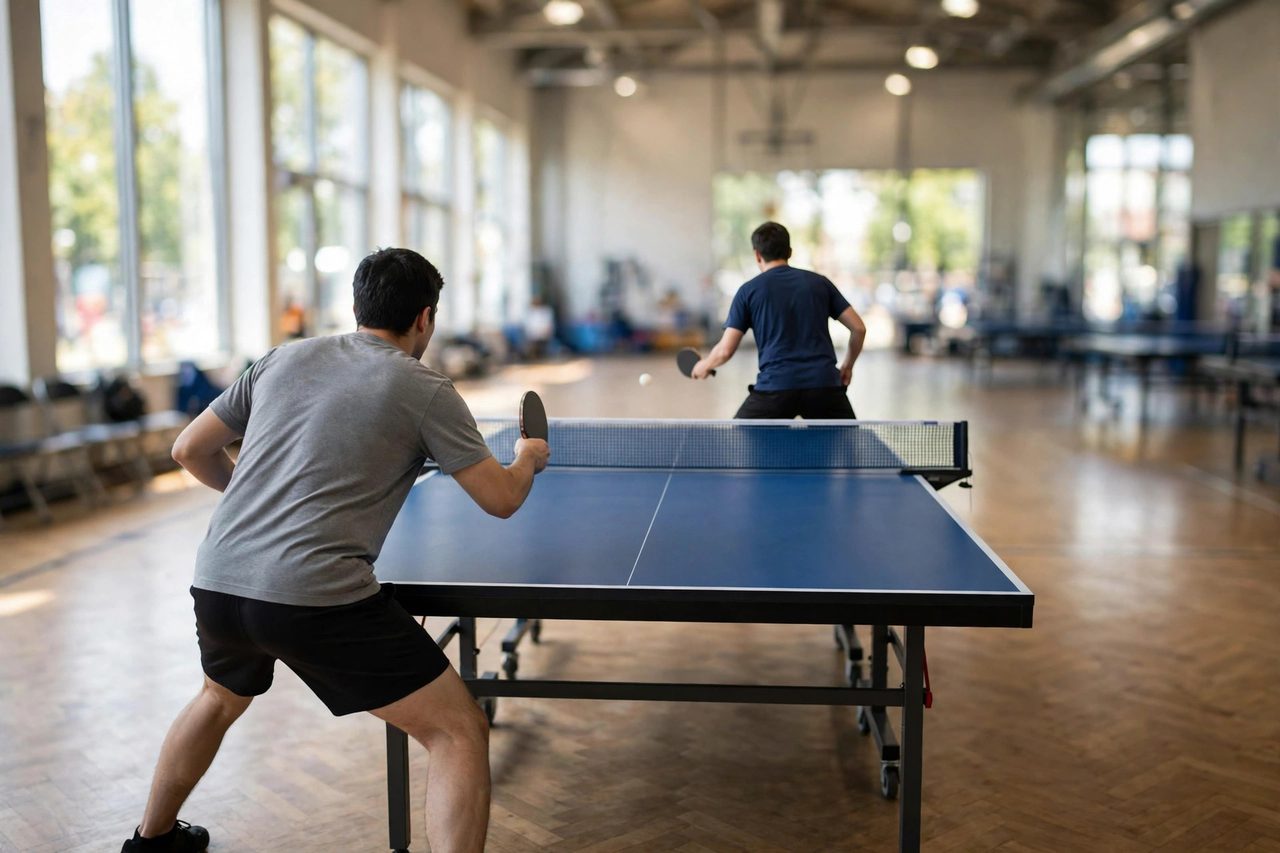
Ping Pong vs Table Tennis: One Sport, Two Names, One Big Argument
Ping pong and table tennis are the same sport, so why do we argue about the name? The answer starts with a trademark from 1901.