
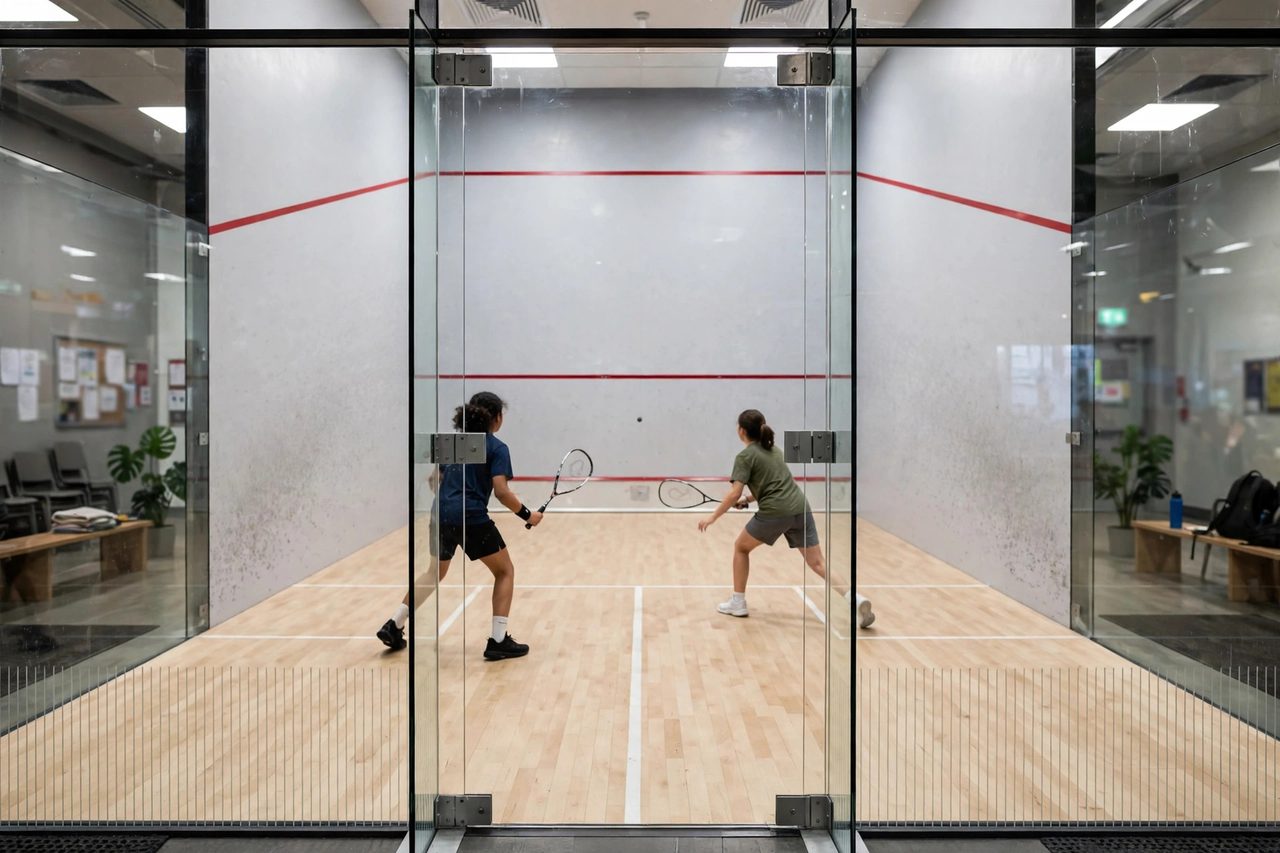
Squash in America has always had a strange double life. It is one of the oldest organised racquet sports in the country, played at elite schools and clubs for well over a century. And yet most Americans have never seen a match, never held a squash racquet, and could not tell you a single rule.
That contradiction is the story of American squash — and with the sport’s Olympic debut coming at Los Angeles 2028, it may finally be about to change.
A private-school beginning
Squash arrived in the United States in the late 1800s, brought over from England, where it had been invented at Harrow School. It took root exactly where you would expect: at prep schools and Ivy League colleges in the Northeast, and at private city clubs in New York, Boston and Philadelphia.
US Squash, the sport’s national governing body, was founded in 1904, making it one of the oldest sports federations in the country. For decades, the American game was dominated by the college circuit. The top universities — Harvard, Yale, Princeton, Trinity — built the best teams, and the best American players came through them.
The American version of the game even developed its own style. For most of the 20th century, the US played “hardball” squash: a harder ball on a narrower court, a faster, more attacking game than the international “softball” version played everywhere else. The two versions only fully merged when the US adopted the international game in the 1990s.
The college machine
College squash remains the engine of the American game. The College Squash Association runs the biggest university squash system in the world, with dozens of men’s and women’s teams competing every winter. Trinity College in Hartford, Connecticut, famously won 252 matches in a row between 1998 and 2012 — the longest winning streak in the history of American college sport.
That system produced America’s best players, including Amanda Sobhy and Olivia Weaver, the two women who have carried the US flag on the world tour in recent years. Weaver, the US No. 1, reached the Silicon Valley Open final in 2025 and has become the face of the American women’s game.
But the college pipeline has a weakness: it mostly serves students who already go to elite schools. For a long time, squash in America was a sport you discovered at 18 if you were lucky, or never at all.
Squash for everyone
The most important change in American squash over the past thirty years has nothing to do with the pros. It is the rise of urban squash programmes — charities that pair squash coaching with school tutoring for kids from city neighbourhoods.
SquashBusters in Boston, founded in 1996, was the first. StreetSquash in New York followed in 1999. Today there are programmes in cities across the country, and they have done something the private clubs never could: they have put racquets in the hands of thousands of kids who would never otherwise have seen a squash court.
The model works both ways. The kids get coaching, mentoring and help with schoolwork. The sport gets players, fans and coaches from backgrounds it never reached before. Some of those kids have gone on to play college squash and even turn professional.
At the same time, the public court network has grown. Cities like Philadelphia, home of the US Open — the biggest squash tournament in America — have built public courts and community programmes. Squash is still a small sport in the US, but it is no longer only a private-club sport.
The Olympic chance
All of this leads to Los Angeles 2028, where squash will appear at the Olympic Games for the first time. For a sport that has spent a century knocking on the Olympic door, a home Games is the biggest shop window it will ever get.
The question is whether American squash is ready. The college system is strong. The urban programmes are growing. The US has genuine world-class players. What it does not yet have is a mass audience — the casual fans who watch a sport on television and then pick up a racquet themselves.
That is the next chapter. Squash in America spent its first century behind walls. Its second century will be decided by whether it can step outside them.
Related articles
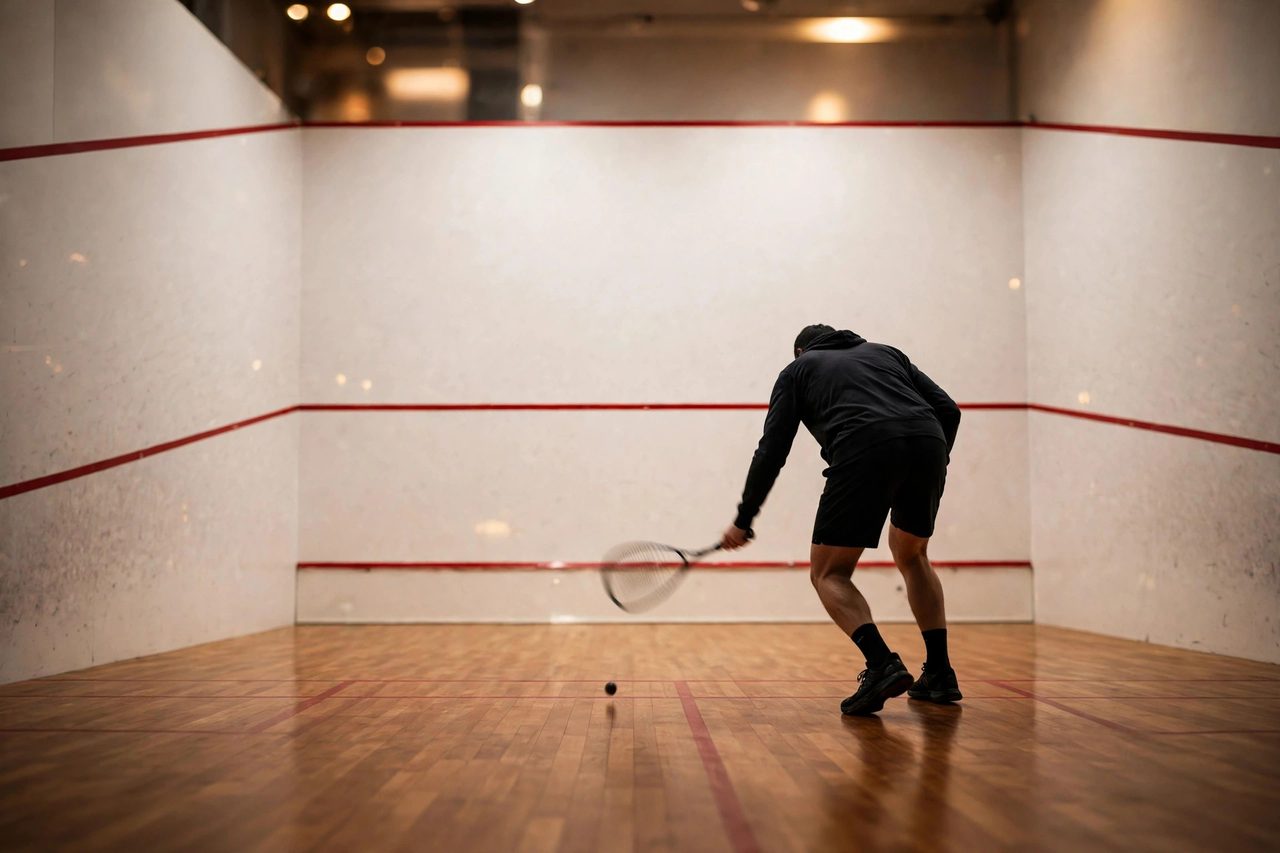
The Squash Ball: Why the Ball That Barely Bounces Makes Squash So Hard
A cold squash ball drops like a stone. Warm it up, and it comes alive. Here is the strange science behind the smallest, quietest ball in racquet sports — and the coloured dots that tell you which one to play with.
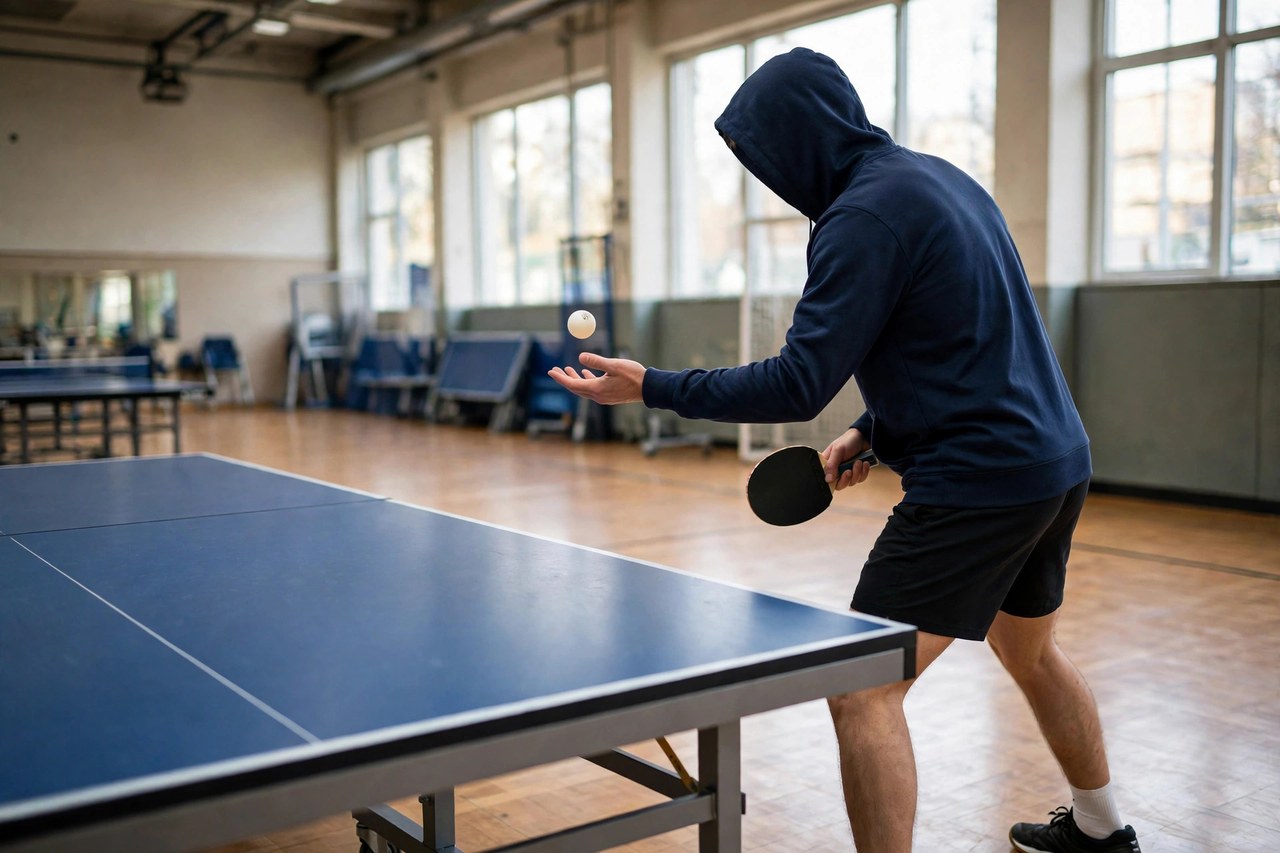
From Celluloid to Plastic: The Little Ball That Changed Table Tennis
The table tennis ball is smaller than a golf ball and weighs less than a coin — yet it has been changed twice in 25 years, and players still argue about it.
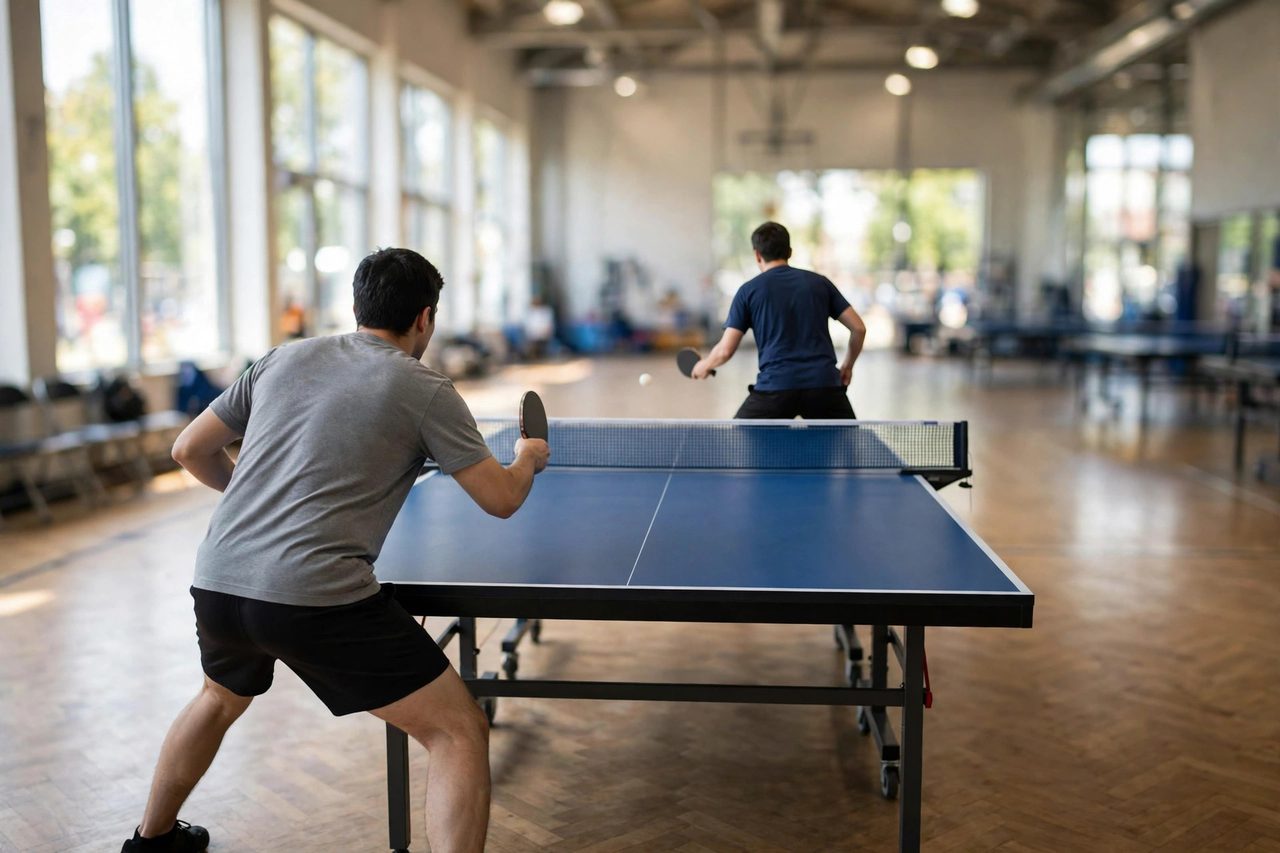
Ping Pong vs Table Tennis: One Sport, Two Names, One Big Argument
Ping pong and table tennis are the same sport, so why do we argue about the name? The answer starts with a trademark from 1901.