
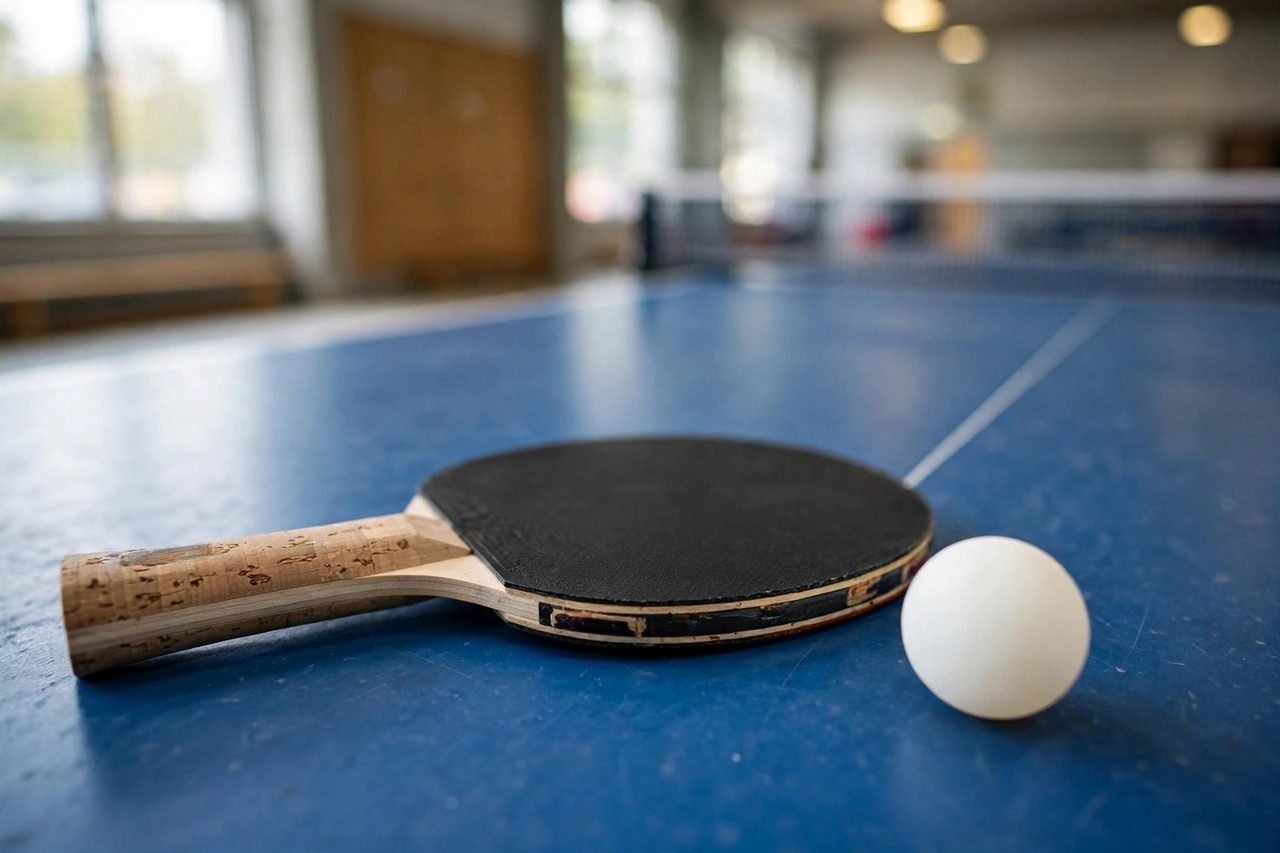
Walk into any serious table tennis hall in the world and you will see it: the flared handle, the silver badge, the unmistakable silhouette. The Butterfly Viscaria is not the fastest blade on the market, nor the newest, nor the cheapest. It is something rarer — the blade that became the default. Ask a coach what an ambitious attacking player should buy, and the Viscaria is the answer you hear most often. Ask a manufacturer what they are benchmarking against, and it is usually this blade too.
The numbers explain part of the appeal. The Viscaria is a 5-ply wood plus 2-ply Arylate-Carbon construction — five wood veneers sandwiching two composite layers — weighing around 85 to 87 grams, about 5.7mm thick, with a head of 157 by 150mm. Butterfly rates it OFF class, with a reaction of 11.8 and vibration of 10.3. It comes in flared and straight shakehand handles, plus a Chinese penhold version. None of that sounds revolutionary in 2026. That is precisely the point: the Viscaria defined the template that everyone else now follows.
What Arylate-Carbon actually does
The magic, such as it is, lives in the composite layers. Arylate fibre brings lightness, flexibility and shock absorption; carbon brings elasticity and minimal energy loss. Combined and placed just under the outer wood ply — an “outer” composite construction — they produce a blade with a larger sweet spot than a traditional all-wood blade and a softer touch than a standard carbon blade.
In practice, that means two things. First, the Viscaria is forgiving for a fast blade: mishits off the edge of the sweet spot still land with reasonable pace and direction, which is why so many developing players survive the step up to composite with it. Second, it holds the ball a fraction longer than stiffer carbons, giving the player a sense of dwell — that split-second feeling of the ball sinking into the racquet — that makes spin generation feel natural rather than forced.
This is also why the blade pairs so famously well with sticky, tacky rubbers. The composite’s liveliness compensates for the slower, spin-heavy character of a Chinese-style forehand rubber, while the wood’s softness keeps the short game honest. It is the combination that powered Zhang Jike — a two-time Olympic singles finalist and one of the sport’s greats, long associated with the Viscaria — and it remains the setup of choice for a generation of attackers who want to loop hard from both wings.
On the table
Hit with the Viscaria and the first impression is balance. It is fast, but not violently so; the ball leaves the racquet with authority, yet the blade never feels like it is doing the work for you. Counter-looping close to the table — the shot the blade was arguably built for, with its compact head ideal for quick re-looping right off the bounce — feels crisp and repeatable. From mid-distance, the composite layers add the extra gear that all-wood blades lack, letting you stay in the rally rather than being pushed back and picked off.
The trade-offs are real, and honest reviews say so. The Viscaria is not a beginner’s blade: its speed punishes passive blocks and rewards active, committed strokes. Players coming from slow all-wood blades often find the ball flying long for the first few weeks, especially on the backhand, until their touch recalibrates. The flared handle, meanwhile, is a matter of taste — some players love the way it anchors the hand for backhand swings, others prefer the straight handle’s freedom. Try both before committing; the blade is an investment, and handle shape is not a detail.
Who should buy it — and who shouldn’t
The Viscaria is for the attacking player who already has sound technique and wants a blade that will not hold them back for years. If you loop from both wings, play close to the table, and want one blade to grow with you from intermediate to advanced level, there is a reason this is the default recommendation. It is also for the player who wants to experiment: because the blade is so widely used, there is an ocean of rubber-pairing advice, and almost every rubber on the market has been tested on it by someone.
It is not for the beginner still learning to keep the ball on the table, nor for the defensive player who lives on chop and placement — both will find the speed working against them. And it is not cheap: premium pricing is the price of the benchmark. But blades are not like rubbers, replaced every few months. A Viscaria, looked after, lasts years — and in a sport full of equipment fads, that longevity is part of the review.
The verdict
Every sport has a piece of equipment that becomes the reference point — the one everything else is compared to, the one coaches recommend when they don’t want to think too hard. In table tennis, that blade is the Viscaria. It is not perfect for everyone, and it never claimed to be. But two decades after it defined the outer Arylate-Carbon template, it remains the standard: fast enough for the modern power game, soft enough to feel like table tennis rather than a trampoline, and honest enough that when a shot goes wrong, you know it was you. That is a rare combination, and it is why the most copied blade in the sport is still the one worth copying.
Related articles
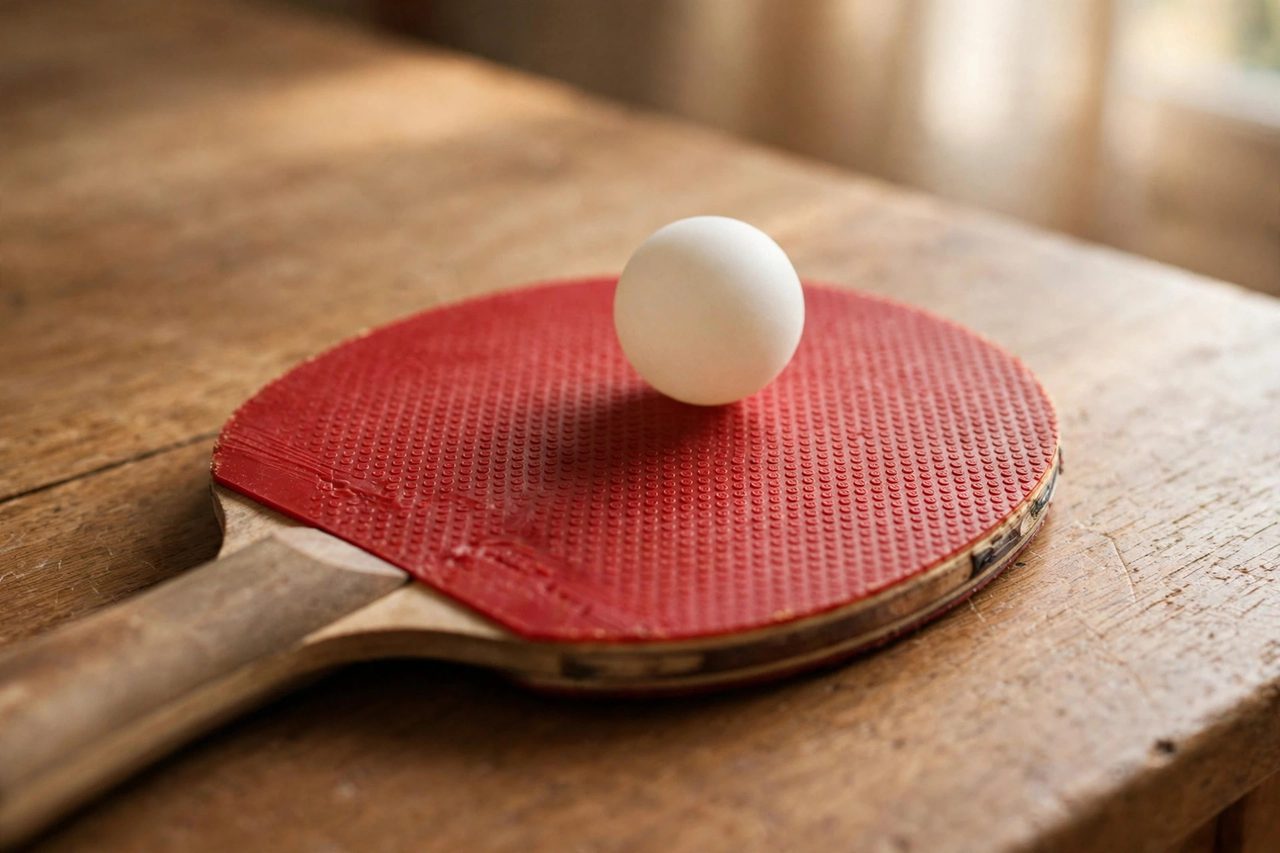
Butterfly Tenergy 05 Review: The Spin Classic That Still Sets the Standard
Launched in 2008 and still the most trusted rubber in table tennis: the Butterfly Tenergy 05 pairs a grippy topsheet with Spring Sponge for huge spin and a high, safe arc. What it does well, who it suits, and who should skip it.
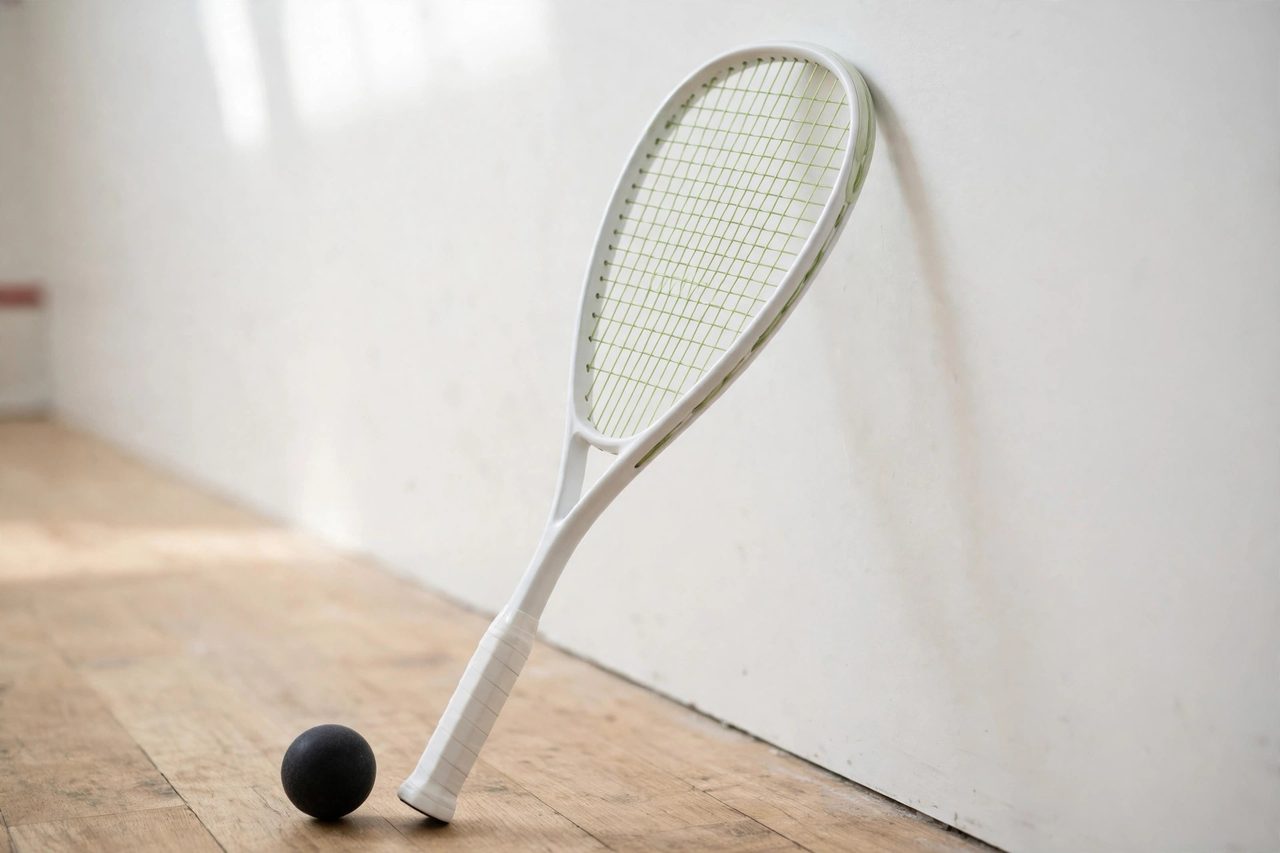
Tecnifibre Slash 125 Review: Light, Fast and Built to Attack
The Tecnifibre Slash 125 is the power frame of the Slash range: 125 grams, a big 485 cm² head, a bumperless X-TOP design and the open-core build made with Mostafa Asal. We put it to the test.
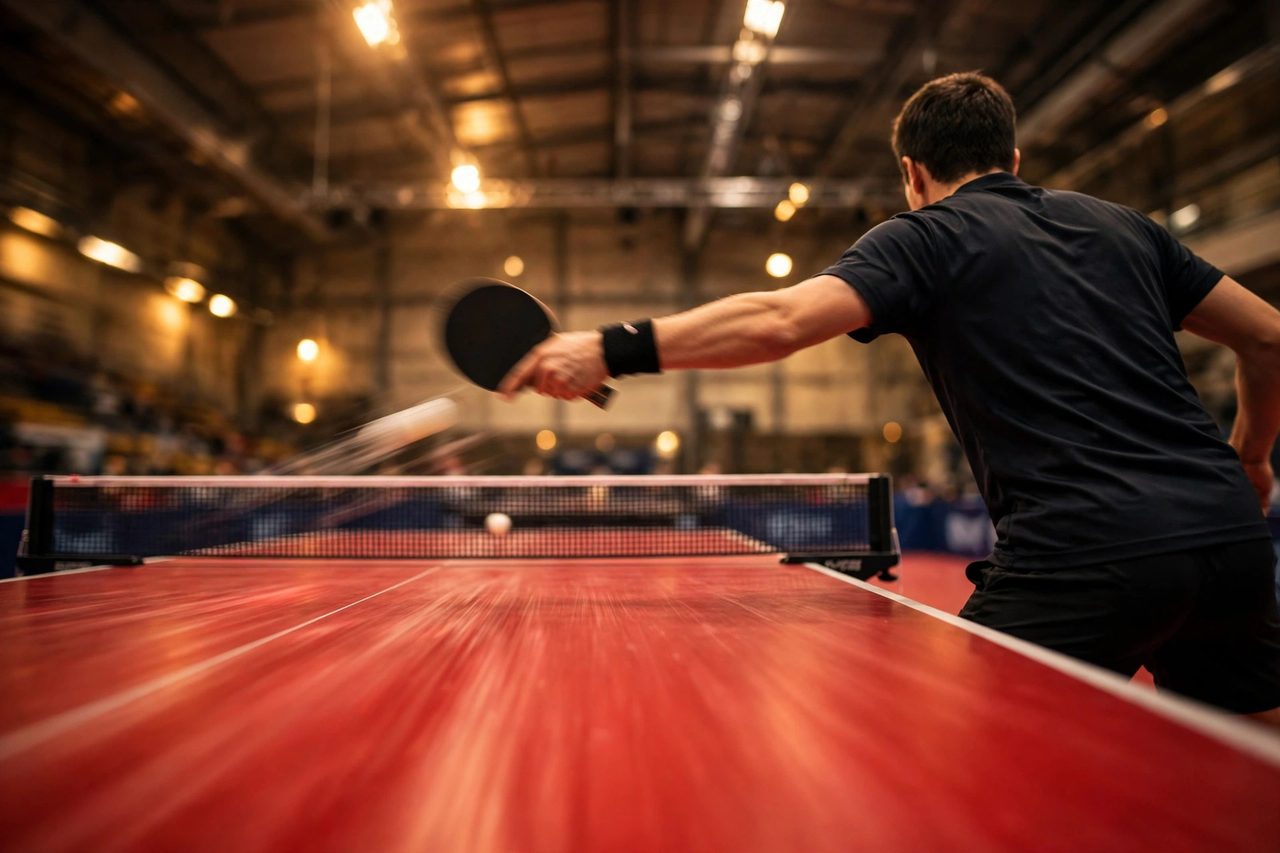
Butterfly Dignics 09C Review: The Spin Monster That Rewards Big Swings
Tacky topsheet, hard 44-degree sponge, huge spin: the Butterfly Dignics 09C is a premium forehand rubber for players who loop hard. What it does well, who it suits, and who should skip it.