
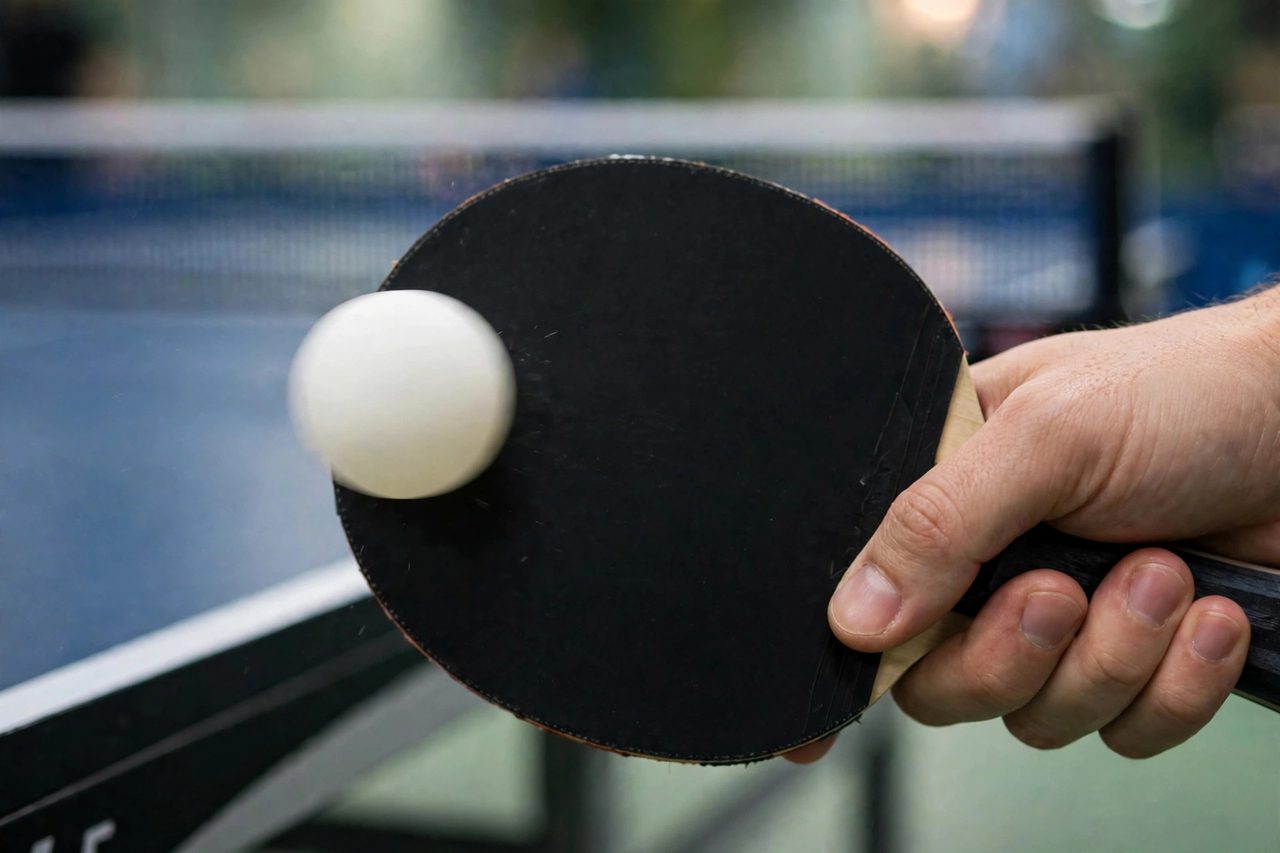
Every table tennis player needs one serve they can trust. For most players, that serve is the pendulum serve. It is the most common serve in the sport, from school halls to the Olympic final, because it is simple, deceptive, and endlessly adaptable. Learn it properly and it will serve you for your whole playing life.
What is a pendulum serve?
First, the basics. In table tennis, a “serve” is the shot that starts every point. The server must toss the ball up from an open palm, at least 16 centimetres high, and hit it as it falls. The ball must bounce once on the server’s side of the table, then once on the receiver’s side.
The pendulum serve gets its name from its motion: the server’s arm swings across the body like a pendulum on a clock, from one side to the other. That sideways swing is what makes the serve special. It lets you brush the ball in different ways, putting different kinds of “spin” on it. Spin is the rotation of the ball in the air. It changes how the ball bounces and how hard it is for your opponent to return.
The pendulum serve can produce sidespin, which makes the ball curve sideways; backspin, which makes the ball slow down and stay low; and topspin, which makes the ball kick forward off the bounce. The magic is that all three can look almost identical to your opponent. That is what makes the serve so hard to read.
The grip and stance
Hold your racquet in a “shakehand” grip, the way you would shake someone’s hand. That is the grip most players use, and it is the easiest for this serve.
Stand near the corner of the table on your backhand side — the left corner if you are right-handed. Your feet should be roughly shoulder-width apart, knees slightly bent, body turned a little sideways. You want to be relaxed. A tense arm cannot brush the ball finely, and fine brushing is the whole point.
Step by step
Step 1: The toss. Hold the ball flat on your open palm, behind the table and above its surface. Toss it straight up, at least 16 centimetres — about the height of a small water bottle. Keep the toss steady and in the same place every time. A wild toss means a wild serve.
Step 2: The swing. As the ball falls, swing your racquet arm across your body, from your backhand side toward your forehand side, like a pendulum. Your wrist should be loose. Think of the racquet as the end of a whip, not a hammer.
Step 3: The contact. This is the key moment. You are not hitting the ball hard. You are brushing it, the way you might brush dust off a sleeve. For a sidespin serve, brush the side of the ball. For backspin, brush underneath it. For topspin, brush over the top. The contact should be thin and fast, with the wrist snapping through at the last moment.
Step 4: The first bounce. Aim to make the ball bounce on your side of the table close to the net, then travel low over the net and bounce on your opponent’s side. A good pendulum serve stays low. A high serve is a gift — your opponent will smash it.
Step 5: The recovery. After contact, bring your racquet back to a ready position in front of you, and get ready for the return. The serve is only the start of the point. Many beginners admire their own serve and forget the next shot. Do not be that player.
The three versions to learn
Start with the backspin pendulum serve. Brush under the ball so it spins backwards. When it bounces on your opponent’s side, it will slow down and stay low. If your opponent pushes it back carelessly, the ball will drop into the net. This is your safest, most reliable version.
Next, learn the sidespin version. Brush the side of the ball. It will curve in the air and kick sideways off the bounce, forcing your opponent to adjust their racquet angle. Even a small sideways kick is enough to cause a weak return.
Finally, add the topspin version. Brush over the top of the ball. It looks almost the same as the backspin serve — same swing, same motion — but the ball jumps forward off the bounce instead of dying. When your opponent expects backspin and gets topspin, they will often lift the ball high, and you can attack it. That moment of confusion is the whole point of the serve.
The trick is to make all three versions look the same. Same toss, same swing, same follow-through. Only the contact changes. If your opponent can tell which spin is coming from your body language, the deception is gone.
Common mistakes
Hitting too hard. The pendulum serve is about spin, not speed. A soft, spinny serve is far harder to return than a fast, flat one. Slow down and brush.
A low toss. The rules demand 16 centimetres, and umpires enforce it. Practise with a ruler or a mark on the wall until the height feels natural.
Telegraphing the spin. If you change your whole swing for topspin and backspin, your opponent will read you like a book. Keep the motion identical and change only the contact point.
Serving too high. Aim for the ball to clear the net by as little as possible. A low serve gives your opponent nothing to attack.
How to practise
You do not need a partner to practise serves. Take a box of balls to a table and serve fifty times in a row, aiming for the same spot on the other side. Count how many stay low and land where you wanted. Then switch spin and do fifty more.
A good drill: serve ten backspin serves, then ten topspin serves, and try to make them look identical. Film yourself on your phone if you can. You will spot differences your body cannot feel.
Once you are consistent alone, practise with a partner who tries to return your serve. Ask them which serves fooled them and which did not. Their answers will tell you exactly what to work on.
Why this serve never gets old
Watch any professional match and you will see the pendulum serve, point after point. The best players in the world have serves with more tricks, but they all come back to the pendulum, because it does everything: it is safe, it is deceptive, and it sets up the attack.
Learn it slowly, learn it well, and it will be the foundation of your game. Every other serve you add later — the reverse pendulum, the tomahawk, the hook — is just a variation on this one idea: same motion, different spin, opponent guessing.
Start with fifty serves today. Your future self will thank you.
Related articles
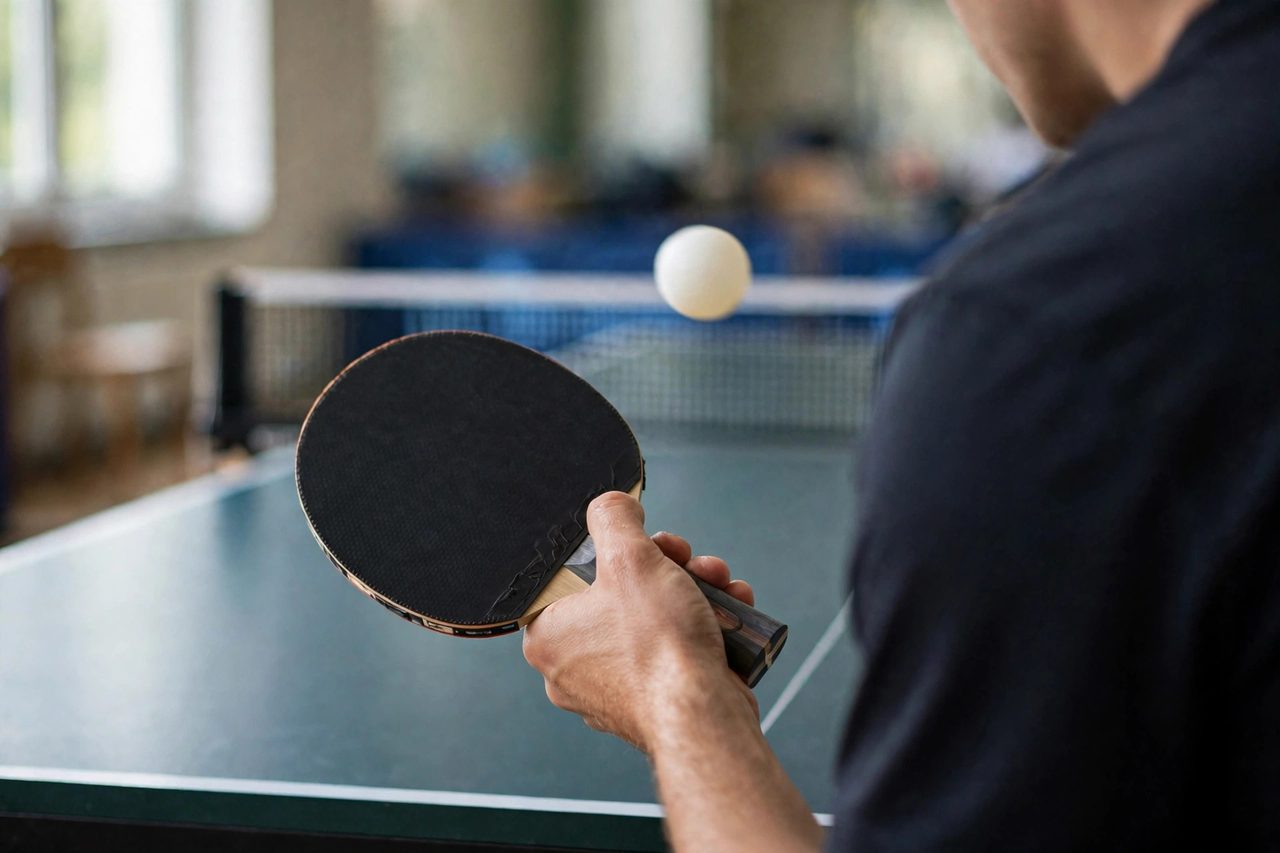
The Forehand Block: How to Turn Defence Into Attack in Table Tennis, Step by Step
A fast ball is coming at you and you have no time to swing. The forehand block is the answer: a short, firm return that uses your opponent's speed against them.
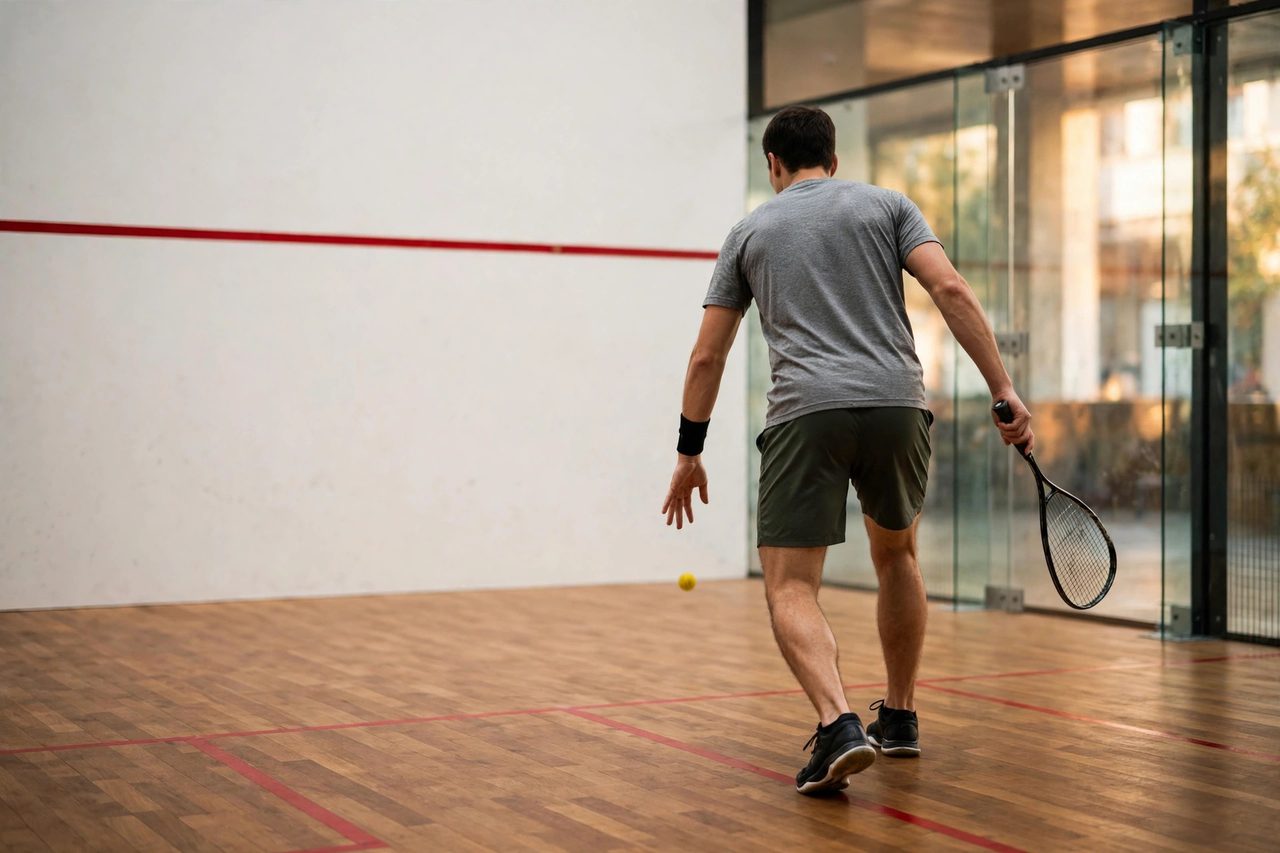
The Squash Serve: How to Start Every Rally With an Advantage, Step by Step
The serve is the one shot in squash you fully control. Here is how it works: the rules, the lob serve, the hard low serve, where to aim, and the drills that make it reliable.
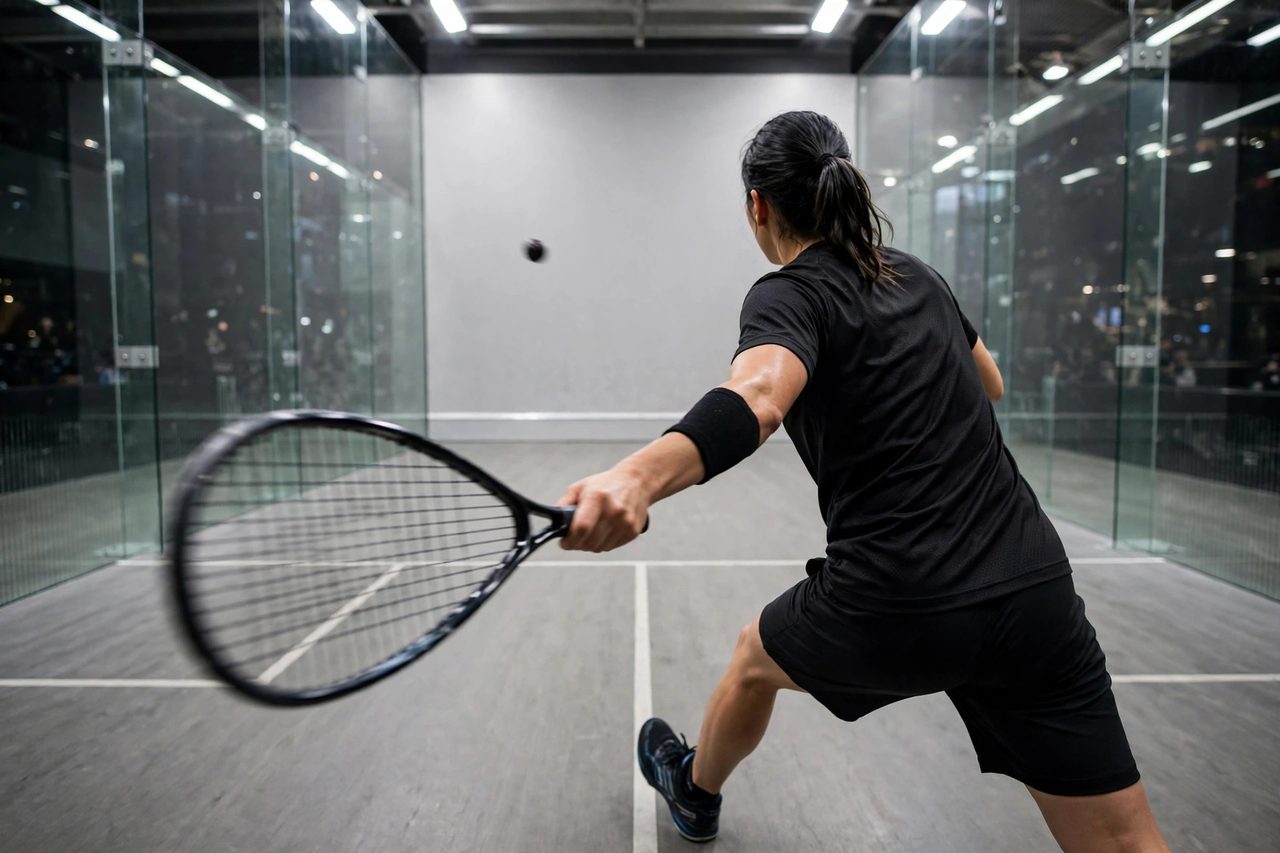
The Squash Cross-Court: How to Stretch Your Opponent and Open the Court, Step by Step
The cross-court sends the ball diagonally across the court and drags your opponent out of position. Here's when to use it, how to hit it, and the drills that make it reliable.