
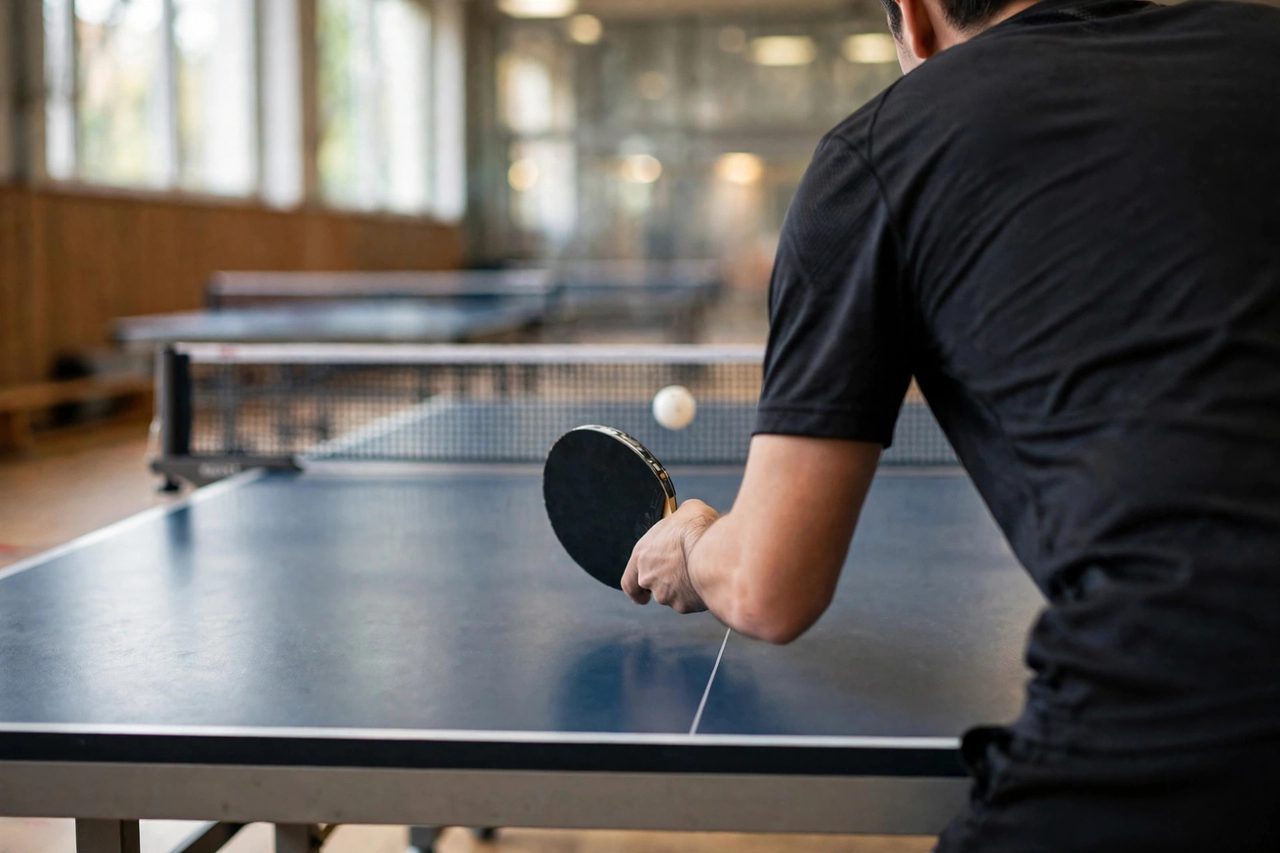
A push is a gentle, controlled shot played with a short stroke, usually against a ball that has little speed of its own. A short push is a push that lands close to the net on your opponent’s side. It is short, low, and slow. That is the whole point.
The short game is the part of a rally played close to the net, with short balls that bounce twice on the table or nearly do. In the short game, the player who stays calm usually wins the point. The short push is the calmest shot in table tennis, and one of the most useful.
It does not win points outright — it stops your opponent from winning them, giving them nothing to attack.
What makes a push different
First, let us clear up a few lookalike shots. A flick is a quick attacking shot played over the table, usually with the wrist, to attack a short ball. A chop is a heavy defensive shot played from far back, with a long downward stroke that loads the ball with backspin. Backspin is spin that makes the ball want to drop and float back toward you after it bounces. A loop is a powerful topspin attack played from behind the table. Topspin is spin that makes the ball dip down and jump forward after it bounces.
The push is none of those. It is played close to the table, with a short, soft stroke. It is a control shot, not an attacking shot.
Step 1: Grip and stance
Hold the racquet the way you normally do, with a relaxed hand — firm enough not to drop it, soft enough not to squeeze it. A tight grip is the enemy here.
Stand close to the table, feet about shoulder-width apart, knees bent, weight slightly forward. Your free arm points toward the ball for balance.
Step 2: Read the serve early
Most short pushes happen against a short serve. A serve is the shot that starts each point. A short serve is one that would bounce twice on your side if you let it. Watch the server’s racquet, not just the ball — the angle of its face at contact tells you a lot about the spin coming your way.
Move in as soon as you see the ball is short. Step in with the foot on your racquet side — right foot for right-handers — and slide it under the table.
Step 3: Soft hands and contact
This is the heart of the shot. Meet the ball just after the top of its bounce, while it is still high enough to clear the net but has lost its upward speed. Too early, and you push it long. Too late, and it is dropping, so you have to lift it and it pops up high.
Keep the stroke short. The racquet moves forward only a few inches, with a slightly open face — tilted back a little, like a small ramp. Contact the ball softly, with the racquet almost still at the moment of touch.
The key skill is soft hands: a relaxed wrist and fingers that absorb the ball’s speed instead of adding to it. Let the ball’s own pace do the work.
One warning about spin: if the serve has heavy backspin, open your racquet face a little more and meet the ball slightly higher, or it will drop into the net. If it has little spin, keep the face flatter, or the ball will pop up.
Step 4: Placement beats power
A short push is judged by where it lands, not how hard you hit it. Aim for one of three spots: short and wide to the forehand corner, short and wide to the backhand corner, or short to the middle, where your opponent must choose between forehand and backhand. The forehand is the shot played on your racquet side; the backhand is on the side away from your racquet hand. The middle is often safest.
Vary your placement. If you always push to the same corner, your opponent will start waiting there.
Step 5: Know when to push and when to flick
Push when the ball is very short, very low, or loaded with heavy backspin — the kind of ball that is hard to lift over the net with an attacking stroke. Push when you want to stay safe and wait for a better ball.
Flick when the ball sits up a little higher, or when it is short but with little spin. The mistake beginners make is flicking everything, because attacking feels better than pushing. A missed flick hands your opponent an easy point; a good push hands them a problem.
A simple rule: if you can attack the ball cleanly, flick. If you are not sure, push.
Common mistakes
Pushing too hard is the most common mistake: the ball sails long and the point is gone. Standing too far from the table is the second — step in early. A stiff wrist is the third: tension makes the racquet face jump at contact, so shake your hand loose between points. Finally, do not push everything to the same place.
Three simple drills
Drill one: short-push rally. Serve short to each other and push every ball back short. No flicks, no attacks. Ten in a row without a ball going long or popping up is a good start.
Drill two: placement targets. Put a coin on each corner of your opponent’s side, close to the net, and practise pushing to one target, then the other, then the middle.
Drill three: push or flick. Your partner serves short with mixed spin and height. Push the low, heavy ones; flick the higher, lighter ones. This trains the decision, which is the real skill.
The short push will never make a highlight reel, but matches at every level are full of short serves, and the player who handles them best usually controls the rally that follows. Learn it properly, and the short game becomes something you win.
Related articles
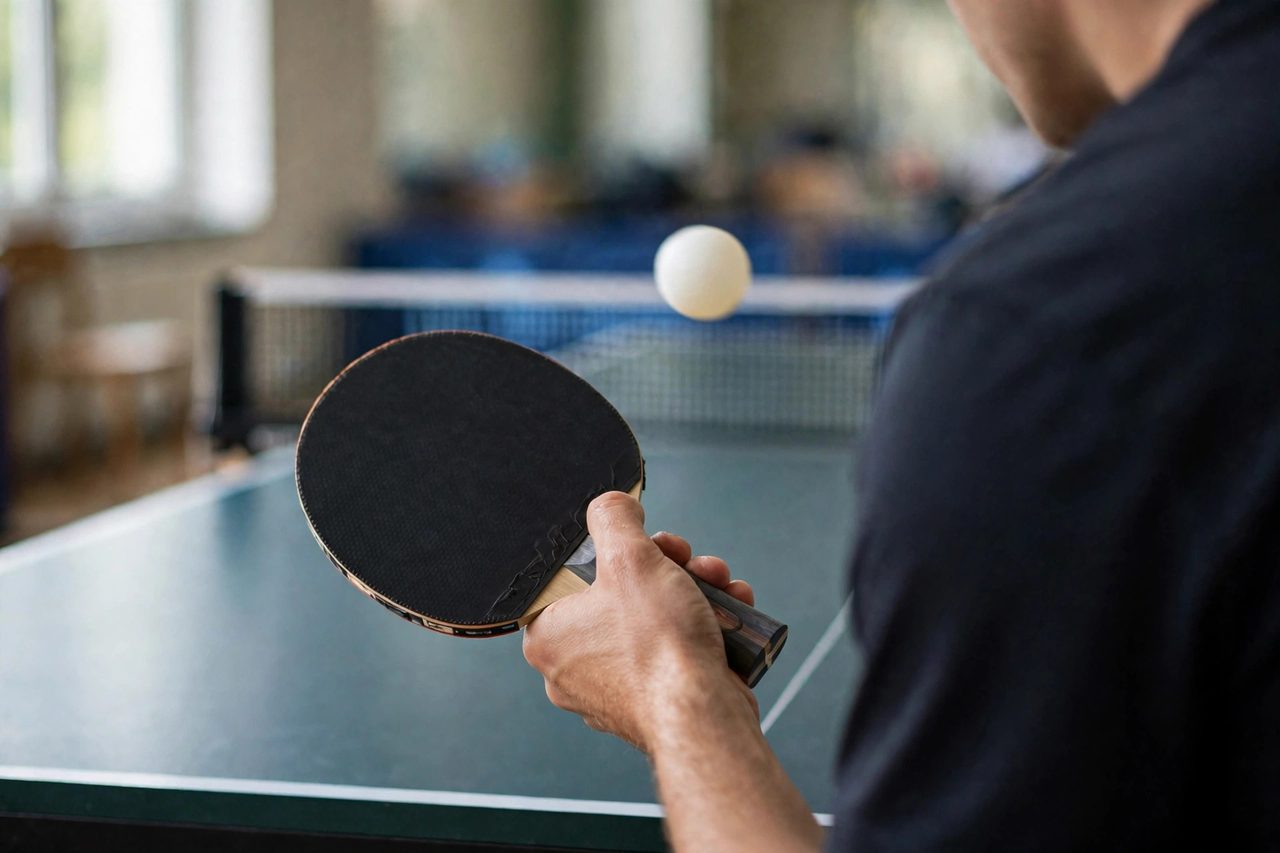
The Forehand Block: How to Turn Defence Into Attack in Table Tennis, Step by Step
A fast ball is coming at you and you have no time to swing. The forehand block is the answer: a short, firm return that uses your opponent's speed against them.
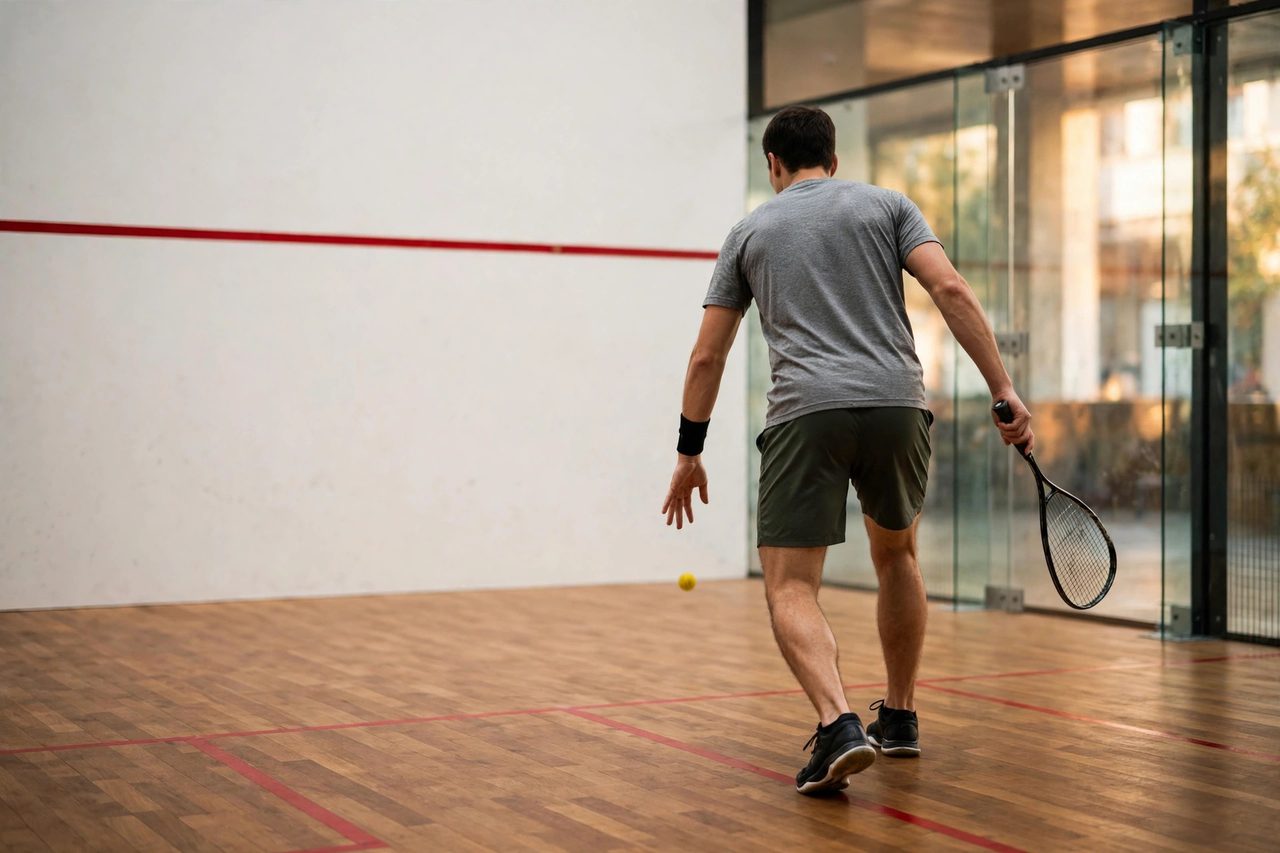
The Squash Serve: How to Start Every Rally With an Advantage, Step by Step
The serve is the one shot in squash you fully control. Here is how it works: the rules, the lob serve, the hard low serve, where to aim, and the drills that make it reliable.
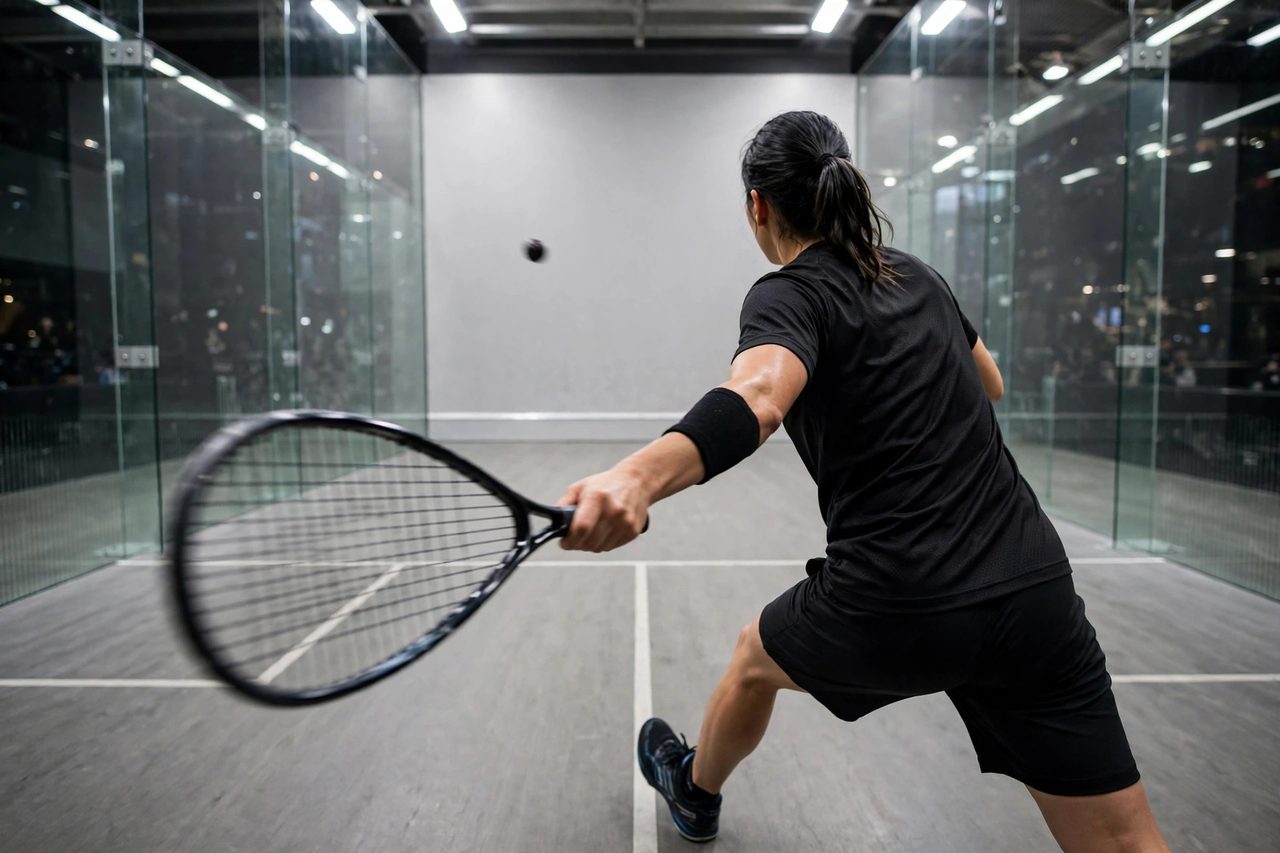
The Squash Cross-Court: How to Stretch Your Opponent and Open the Court, Step by Step
The cross-court sends the ball diagonally across the court and drags your opponent out of position. Here's when to use it, how to hit it, and the drills that make it reliable.