

Squash has waited longer than almost any sport for its Olympic moment. After decades of campaigns, near-misses and rejected bids, the wait is over: squash will make its Olympic debut at the Los Angeles 2028 Games, with men’s and women’s singles events on the programme.
The decision came in October 2023, when the International Olympic Committee approved the sports proposed by the LA28 organising committee. Squash was selected alongside cricket, flag football, lacrosse and baseball/softball. For the World Squash Federation, which had campaigned through several bidding cycles, it was the breakthrough of a generation.
Why it took so long
Squash’s Olympic case was always strong on paper: a global sport, played in more than 180 countries, with a professional tour, clear rules and a compact venue footprint. A glass show court can be erected in almost any arena, which makes squash an easy fit for a host city’s existing venues.
The obstacles were political and practical rather than sporting. Squash competed against sports with bigger broadcast audiences and deeper-pocketed federations, and its governance went through turbulent periods. The LA28 bid succeeded partly because the sport finally presented a united front — the WSF, the PSA and the major national federations campaigned together — and partly because Los Angeles wanted sports with strong Southern California participation.
The format
The Olympic squash competition will follow the format players know from the PSA tour: single-elimination draws in men’s and women’s singles, with matches played best of five games to 11 points under point-a-rally scoring.
One notable difference from tour events: the Olympics will contest a bronze-medal match, so the two losing semi-finalists will play off for third place — a fixture that does not exist at regular PSA events, where both semi-final losers are simply credited as semi-finalists.
Who to watch
With qualification still to be decided through the ranking system, it is too early to name the Olympic field. But the shape of the professional game gives a clear picture of who the contenders will be: the dominant Egyptian players who have ruled both the men’s and women’s tours in recent years, the leading English, French, New Zealand and Malaysian challengers, and the strong American contingent playing a home Games.
For the host nation, the Olympics arrive at a moment of genuine growth. Squash participation in the United States has risen steadily for a decade, driven by urban clubs, college programmes and the visibility of the professional tour’s American events.
What it changes
Olympic inclusion changes a sport’s economics. National federations gain access to government and Olympic-committee funding that was previously out of reach. Sponsors who only invest in Olympic sports suddenly take meetings. And young athletes choosing between sports see a path to the Games.
For squash, the LA28 debut is also a shop window. A glass court under the lights, with the pace and athleticism of the modern professional game on display, is one of the most telegenic products in racquet sports. If the debut lands, the campaign to stay on the programme beyond 2028 begins immediately.
Related articles
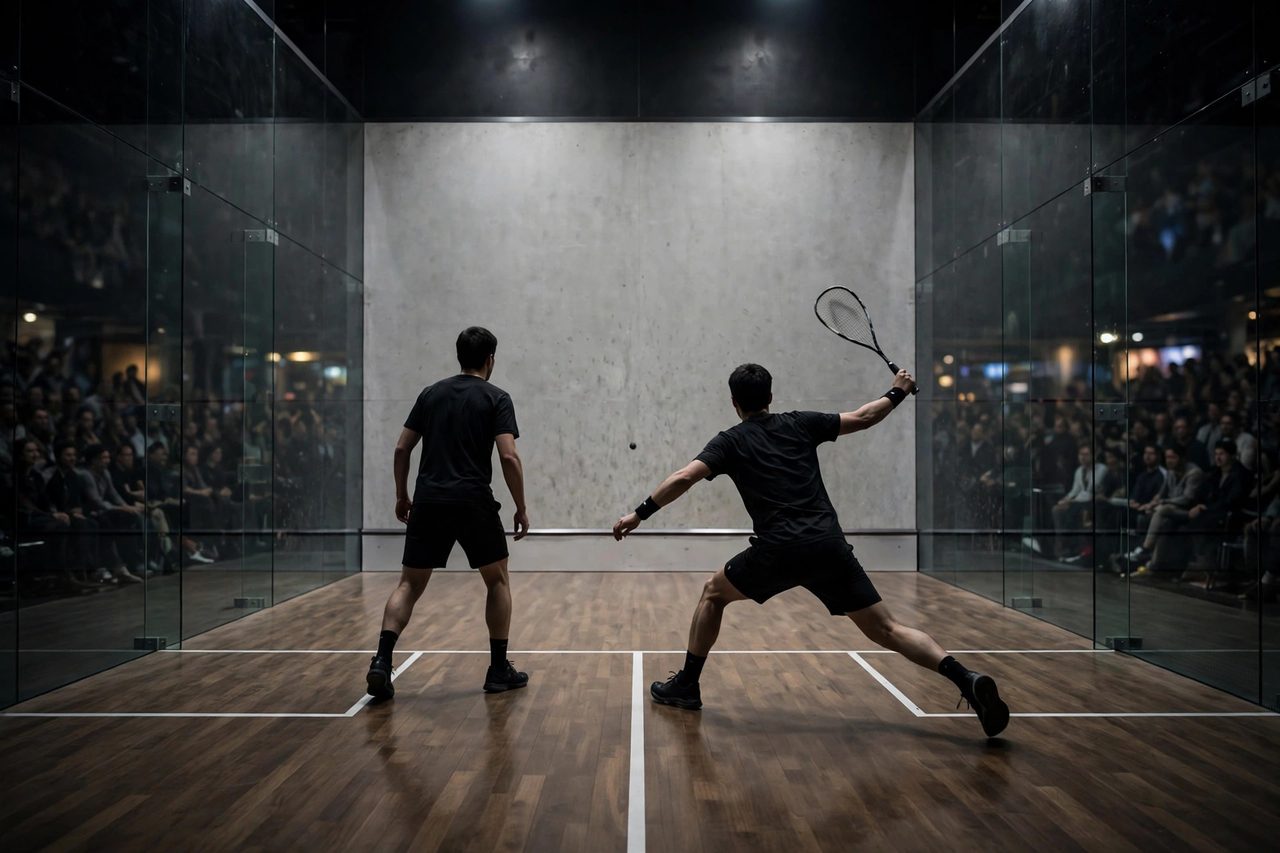
Asal Survives a Wild Final to Win His First China Open as Sivasangari Takes the Title Without Playing
Mostafa Asal beat Mohamad Zakaria in a stop-start 108-minute final in Shanghai, while Sivasangari Subramaniam won the women's title after Satomi Watanabe fell ill.
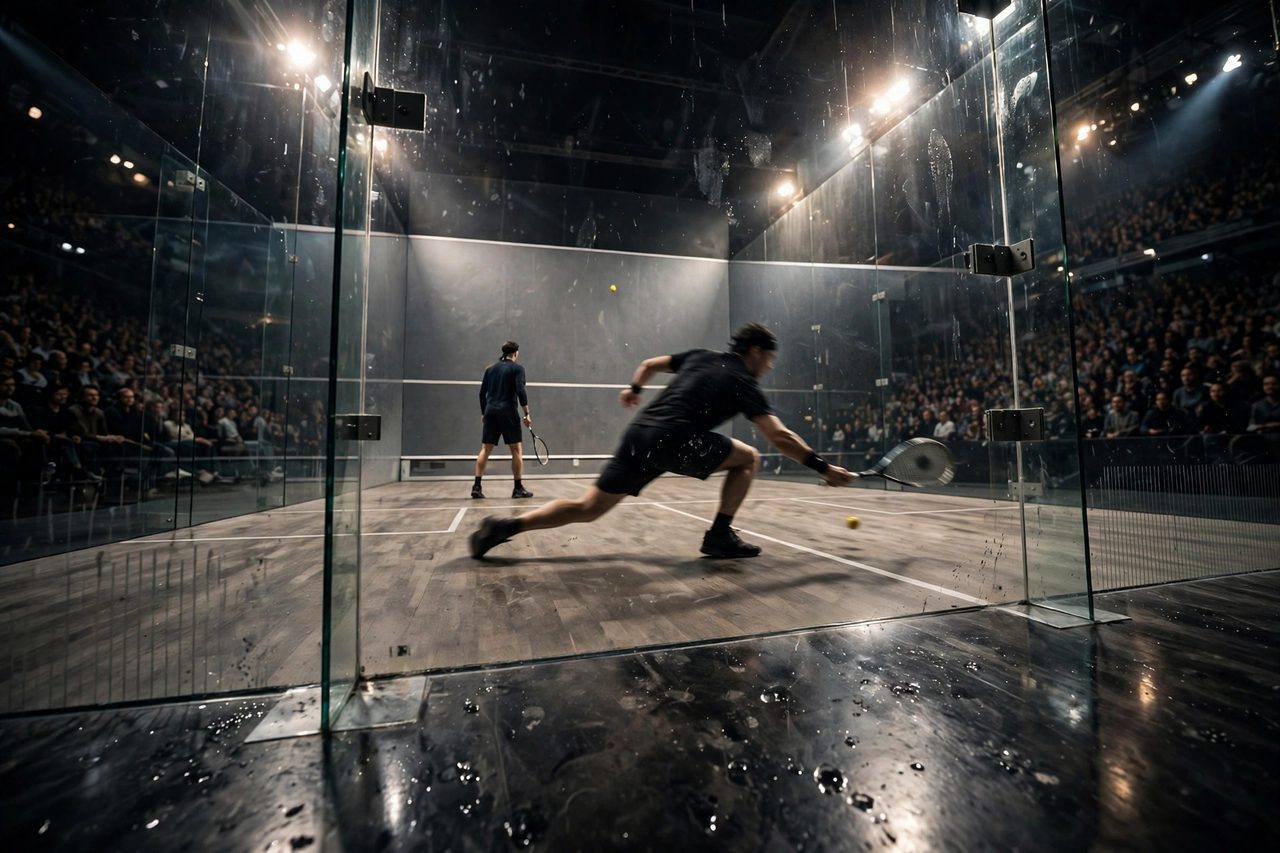
Five Seeds Fall in One Wild Night at the China Open
Defending champion Mohamed Abouelghar lost 3-0 to world No. 56 Simon Herbert, former world No. 1 Mohamed ElShorbagy went out 3-0 too, and three more seeds fell on a chaotic second-round day at the China Open in Shanghai.
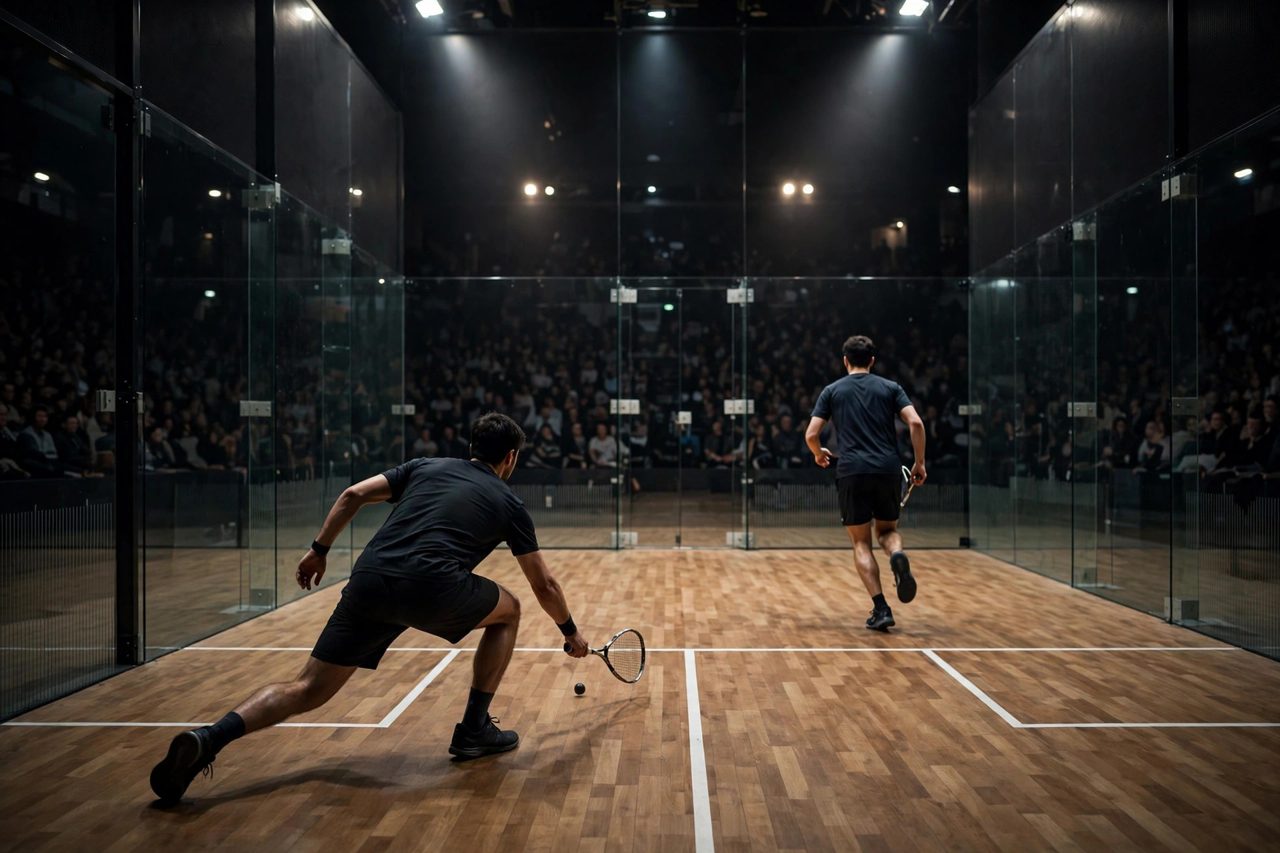
Makin Fights Back From Two Games Down to Keep His Pittsburgh Crown
Top seed Joel Makin lost the first two games of the Pittsburgh Open final, then won the next three to beat Marwan ElShorbagy 3-2 and defend his title.