
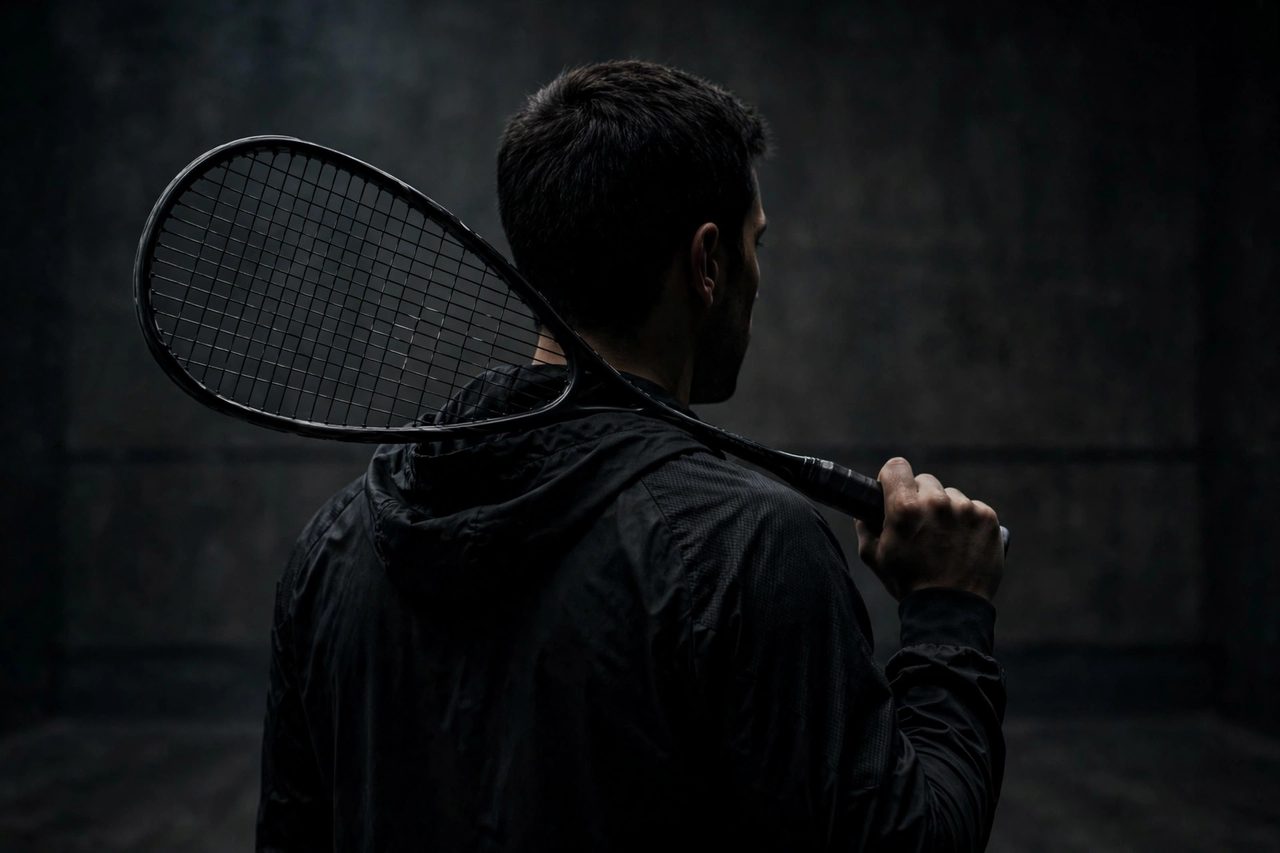
Every sport needs a player people pay to watch even when they are losing. In squash, that player is Mostafa Asal. The Egyptian, nicknamed “the Raging Bull,” plays the game like a prizefighter trapped in a glass box — explosive off the mark, physical at the front, and utterly unafraid of the big moment.
Asal reached the world No. 1 ranking as one of the youngest players ever to top the men’s game, part of a golden Egyptian generation that has dominated squash for a decade. But where his compatriots built their games on silk — the languid deception of the great Egyptian stylists — Asal built his on dynamite.
A game built for collisions
Watch Asal for five minutes and the difference is obvious. He covers the court in violent bursts rather than glides, attacks the ball at heights other players would reset from, and treats the front corners as personal territory to be defended at all costs. His straight drops from deep are struck with a short, savage swing that gives opponents no time to read the shot.
It is thrilling and, at times, controversial. Asal’s physicality has repeatedly crossed the line into dangerous play, earning him multiple suspensions from the PSA across his career. Critics call him reckless; his camp calls it commitment. The truth, as usual, sits between: a generational athlete whose intensity occasionally outruns his control.
The rivalry that defined an era
Asal’s rise coincided with the peak of another Egyptian great, and their meetings became the sport’s must-see fixture — contrasting styles, genuine needle, and finals that regularly sold out glass courts. Those matches did more for squash’s visibility than any marketing campaign: they gave the sport a narrative, heroes and villains, and a reason for casual fans to pick a side.
That is Asal’s real legacy, beyond titles and rankings. Squash has always had extraordinary athletes; it has rarely had box-office characters. Asal — the celebrations, the confrontations, the impossible gets — made people who had never watched a rally care about the result.
What comes next
The question that follows Asal, as it follows every prodigy, is longevity. The physical style that makes him devastating is also punishing: the lunges, the dives, the full-stretch volleys all carry a cost. Whether he can sustain it into his thirties while keeping the edge that makes him special will define the second half of his career.
Whatever happens, the Raging Bull has already changed what a squash player is allowed to be. The sport’s next generation of entertainers will be playing in the arena he kicked open.
Related articles
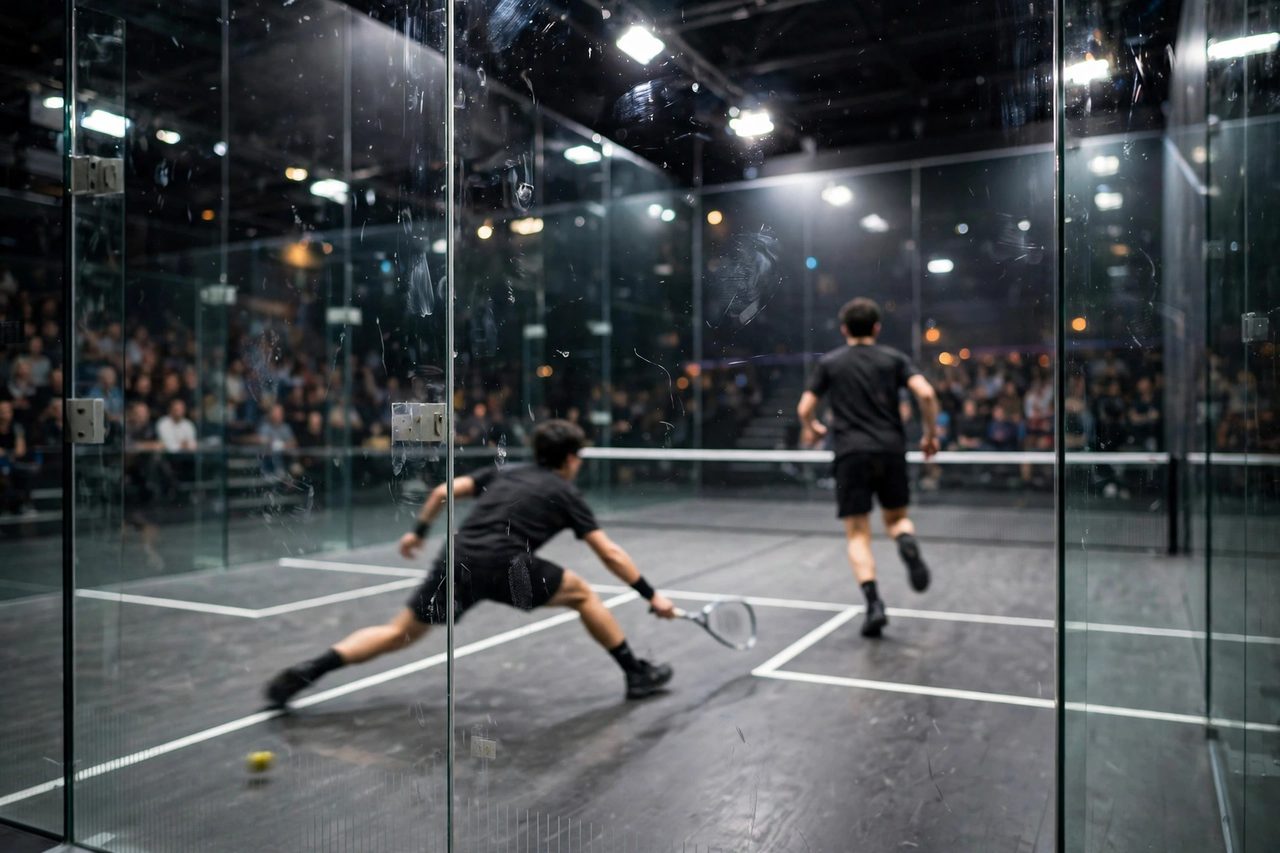
Squash's New Guard: The Young Players Rewriting the Sport's Old Order
Five seeds fell in a single day in Shanghai. A 19-year-old is already world No. 5. An 18-year-old just beat an eight-time world champion. Squash has a new guard — and it is not waiting its turn.
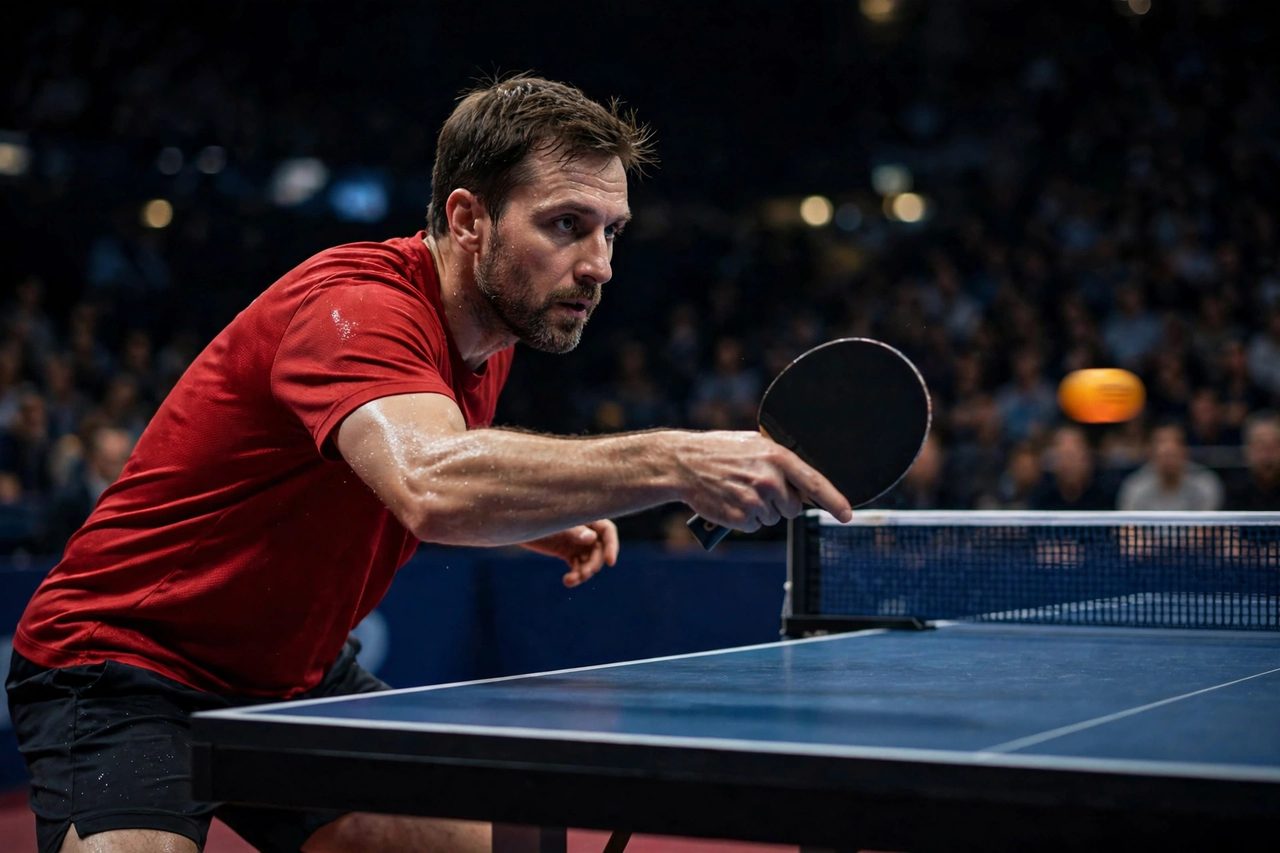
Ma Long: The Dragon Who Ruled Table Tennis for Fifteen Years
Six Olympic golds, three world singles titles, 64 months at world No. 1 — Ma Long is the greatest men's table tennis player ever. This is the story of the Dragon, and what comes after him.
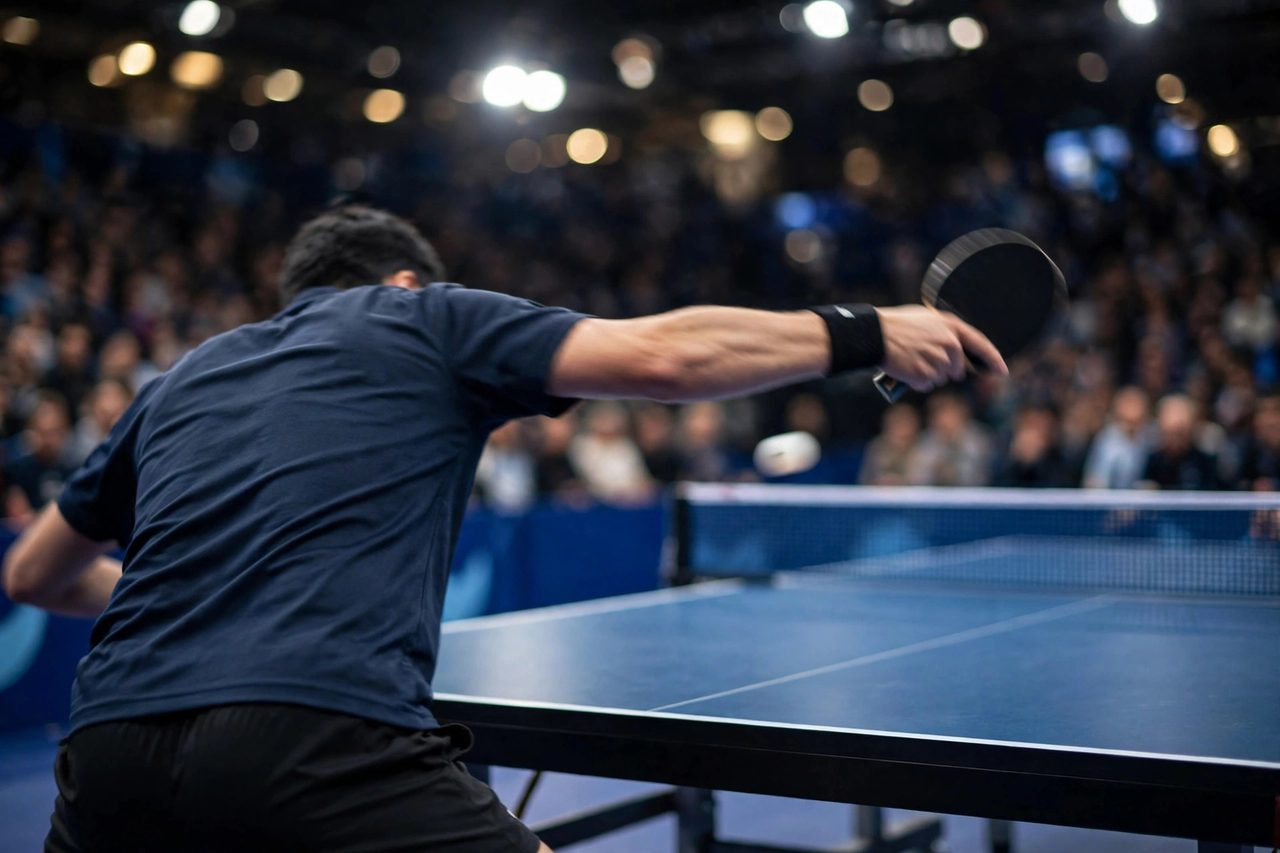
Hugo Calderano: The Brazilian Who Broke Table Tennis's Old Map
World No. 2 in February 2026, World Cup champion in 2025, Olympic semifinalist in Paris — Hugo Calderano is the greatest player the Americas has ever produced, and he did it from a sport his continent barely played.