
Every global sport has an unlikely origin story. Padel’s is better than most: it was invented because a Mexican businessman did not have enough room in his garden.
In 1969, Enrique Corcuera wanted a tennis court at his home in Acapulco, but his plot was too small. So he built a smaller court and walled it in — partly to keep the ball from flying into the neighbours’ garden. He played it with wooden paddles and called it “paddle tennis.” The walls, added for convenience, turned out to be the genius stroke: they kept rallies alive and made the game instantly social.
Marbella: the Spanish connection
Padel might have stayed a Mexican curiosity if not for a Spanish prince. Alfonso de Hohenlohe, a regular visitor to Acapulco, fell in love with Corcuera’s game and built the first European padel courts at his Marbella hotel in 1974.
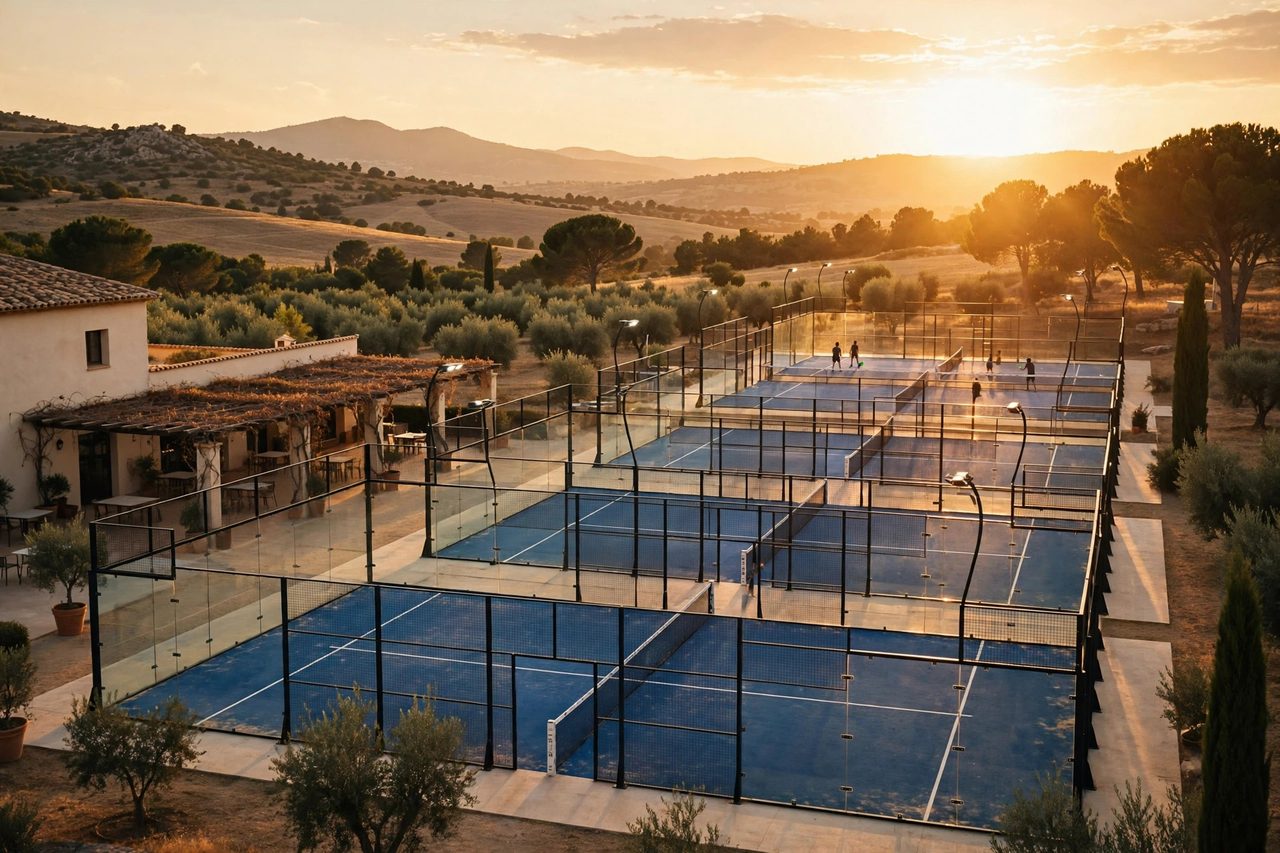
Spain was the perfect host. The climate allowed year-round outdoor play, the culture of social sport and long evenings matched padel’s convivial format, and the country’s tennis tradition supplied coaches, players and competitive infrastructure. Padel spread through Spanish clubs like wildfire — first in Andalusia, then Madrid, then everywhere.
Within a generation, padel had become Spain’s second most-played sport after football, with hundreds of thousands of federated players and courts in every town. Spanish players came to dominate the professional game so completely that for years the world’s top pairs were almost exclusively Spanish and Argentine.
The Argentine chapter
Argentina deserves its own paragraph, because padel’s second homeland shaped the sport’s soul. The game exploded there in the 1980s and 1990s, producing a distinctive, flamboyant playing style and a generation of champions who crossed the Atlantic to test themselves against the Spanish. The Spain-Argentina rivalry became padel’s defining narrative — and its greatest advertisement.
Going global
For decades, padel was a Spanish-and-Latin-American secret. Then, in the 2010s and especially the 2020s, it detonated worldwide. The ingredients were perfect: a game that beginners can enjoy within an hour, a doubles format that is inherently social, courts that fit into urban spaces, and a professional product — the Premier Padel circuit — that finally gave the sport a global stage.
Today padel is played in well over a hundred countries. The Middle East built spectacular venues, northern Europe embraced it through the winter, and new federations appear every year. The International Padel Federation now oversees a genuinely worldwide sport.
Why Spain still matters
And yet, for all the globalization, Spain remains padel’s beating heart. It has the most players, the most courts, the deepest coaching culture and the strongest professional structures. Every young player in the world still measures themselves against the Spanish standard.
From a walled garden in Acapulco to the second sport of Spain to a global phenomenon in barely fifty years — padel’s story is a reminder that the best sports are often accidents. Corcuera just wanted to keep the ball in his garden. He ended up changing the sporting world.
Related articles
Pickleball's Billion-Dollar Paddle Boom: How a Backyard Game Became Big Business
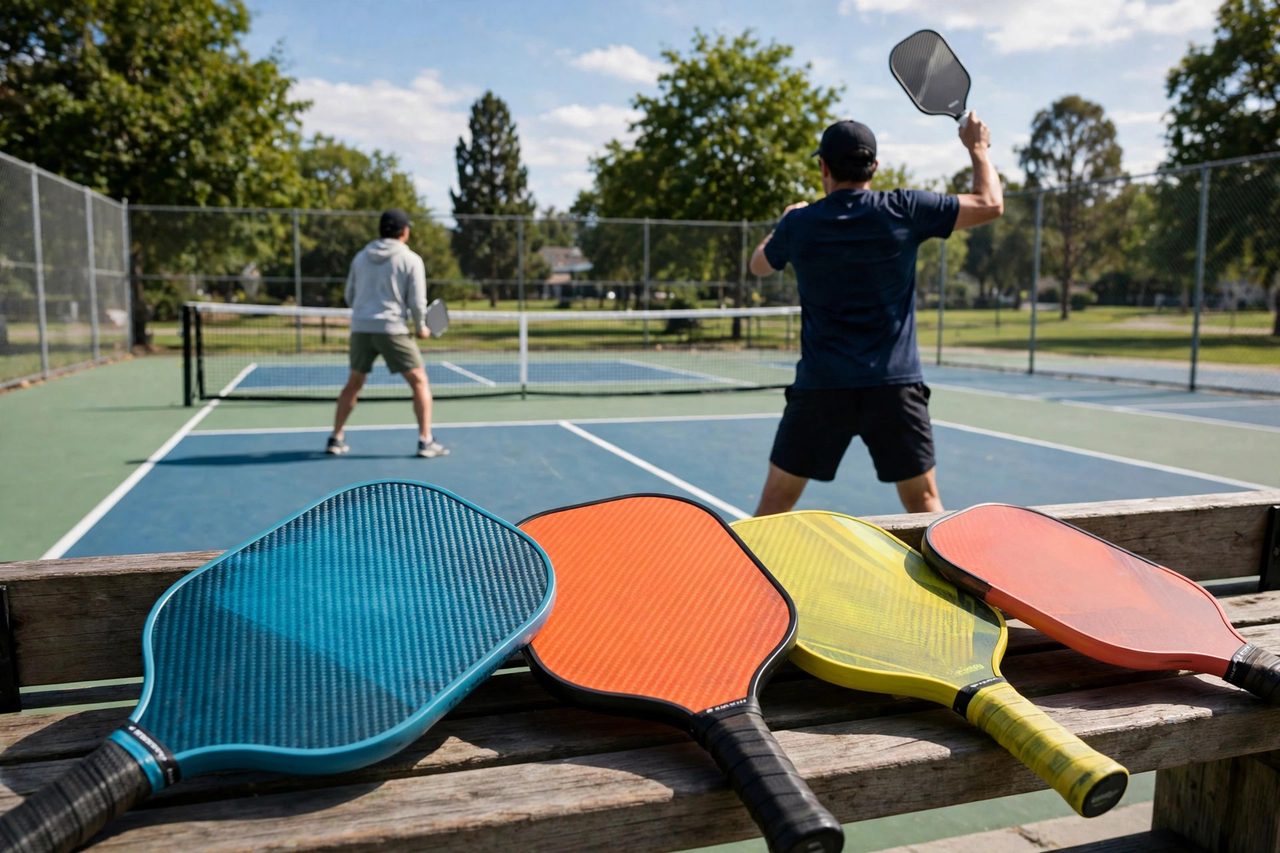
Sixty years ago, the first pickleball paddles were plywood boards cut in a basement. Today they are $200 carbon-fibre pro gear, and the paddle business is worth about a billion dollars a year.
Padel Is a Social Club First, a Sport Second
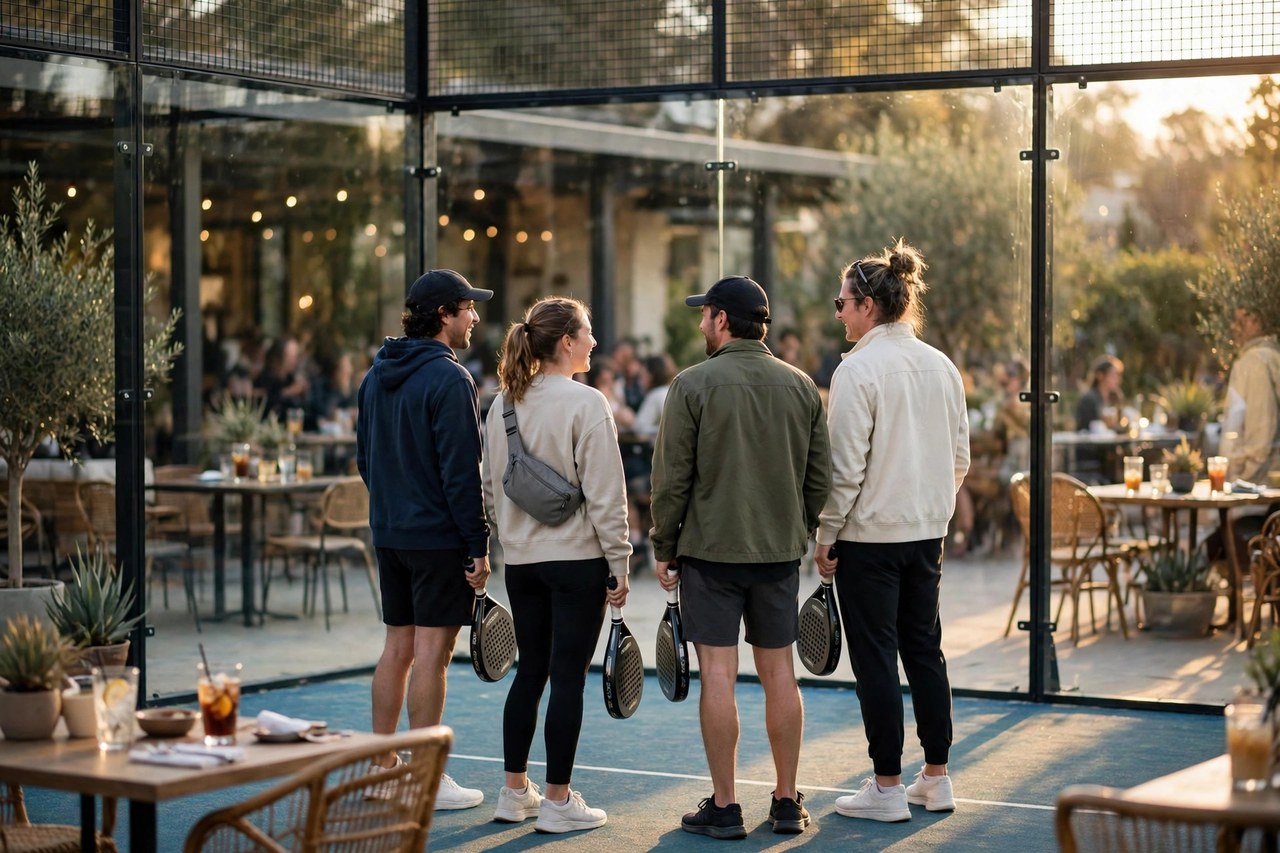
After-work games, club bars, mixed doubles nights and team outings: padel grew so fast because the game is built around people, not just points.
Pickleball's Noise Problem: The Sport the Neighbours Love to Hate
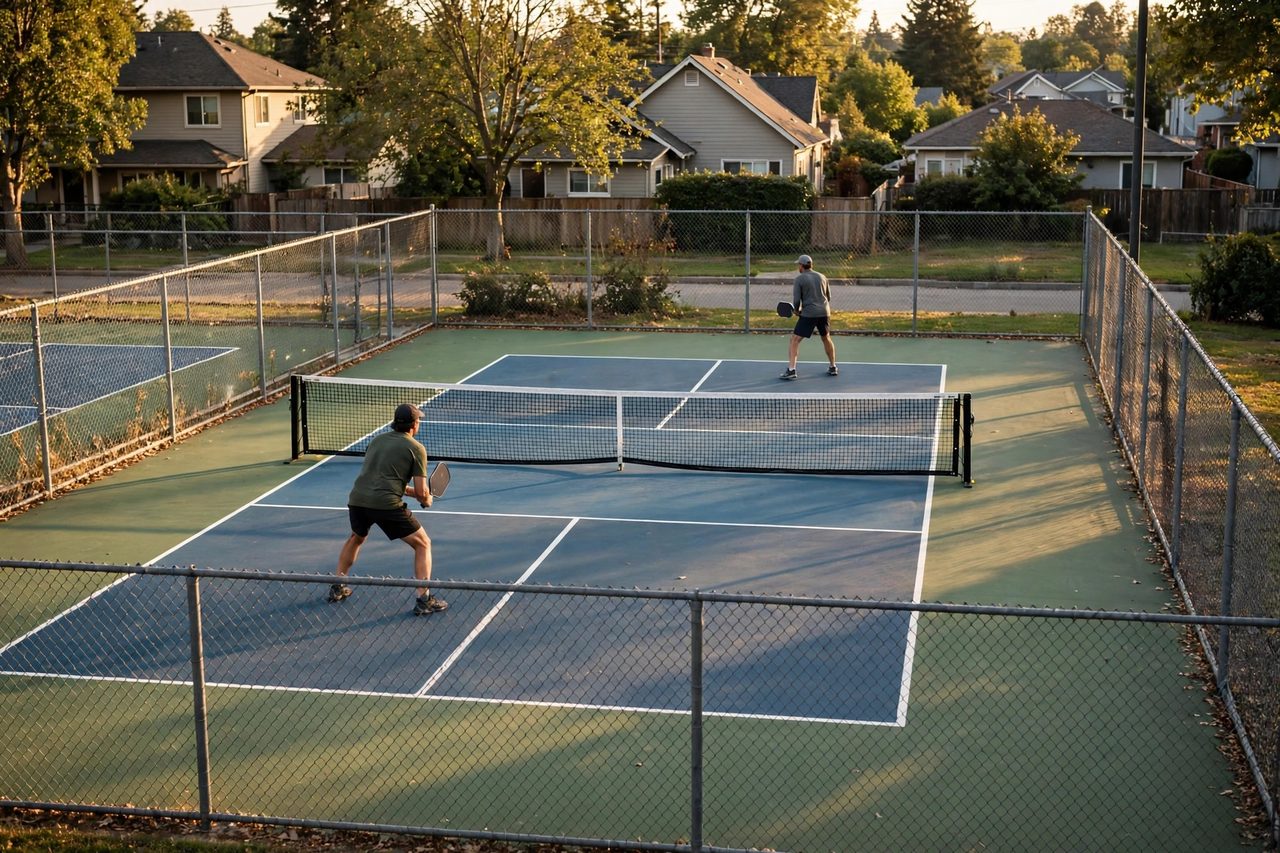
Pickleball is the fastest-growing sport in America, but its sharp pop is driving neighbours to court, closing courts and forcing the sport to get quieter.