
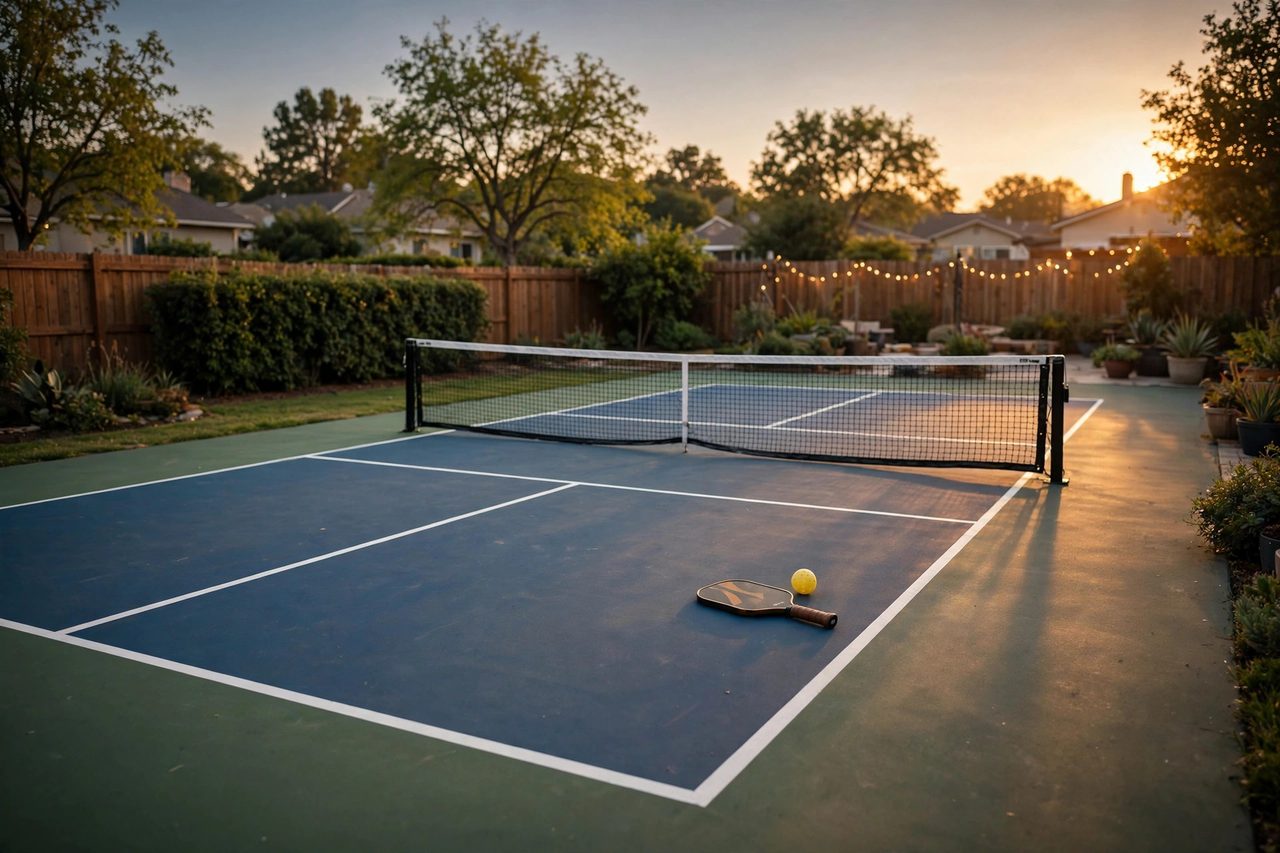
The most improbable success story in sports began with bored children and improvised equipment. In the summer of 1965, on Bainbridge Island near Seattle, Joel Pritchard — a businessman and future congressman — came home to find his kids complaining there was nothing to do. With two friends, Bill Bell and Barney McCallum, he cobbled together a game on an old badminton court: a lowered net, ping-pong paddles, and a perforated plastic ball.
They made up the rules as they went. The kids loved it. The adults got hooked. And within a few years, Pritchard and McCallum were building paddles in a shed and spreading the game through the Pacific Northwest.
What’s in a name
The sport’s name is its best marketing and its longest-running joke. The official story: the Pritchards’ dog was named Pickles, and the game was named after the dog who chased the balls. A competing account from the family says it came from “pickle boat” — the rowing term for a crew of leftover oarsmen — because the game was a mashup of leftover sports.
Either way, the silly name stuck, and it turned out to be an asset. Pickleball never sounds intimidating, which is exactly why your grandmother will try it.
The slow decades
For most of its life, pickleball was a regional curiosity — a Pacific Northwest pastime that spread slowly through retirement communities, school gyms and YMCAs. It had a devoted following and a national association (USA Pickleball, founded in its early form in 1984), but it remained firmly in the shadow of tennis.
The game’s design, though, was quietly perfect for what was coming: easy to learn in an afternoon, playable on a badminton-sized court that fits anywhere, social by construction, and gentle on aging joints.
The explosion
Then came the 2020s, and pickleball detonated. Participation in the United States surged into the tens of millions, courts sprouted in parks and converted tennis facilities, and celebrities, investors and sponsors piled in. What had been a retiree pastime became a cultural phenomenon — covered like a movement, argued about like a religion (just ask any tennis player who lost courts to pickleball lines).
The professional game grew up fast alongside it. The PPA Tour became the sport’s premier individual circuit, Major League Pickleball invented a team format with a draft and city franchises, and prize money and sponsorships reached levels unimaginable a decade earlier.
Why it worked
Pickleball’s rise is not mysterious. It solved real problems: it is genuinely easy for beginners (the learning curve is measured in minutes, not months), it is deeply social (doubles is the default), it fits small urban spaces, and it lets three generations play together. No other racquet sport checks all four boxes.
The world stage
From Bainbridge Island, pickleball has spread across the globe — and it is now knocking on doors that once seemed permanently closed, including international federation recognition and long-term Olympic ambitions. The game invented to cure a boring summer afternoon now has professional athletes, television deals and a global footprint.
Not bad for a sport named after a dog. Or a rowing term. The debate continues — which is fitting, because in pickleball, the arguments are half the fun.
Related articles
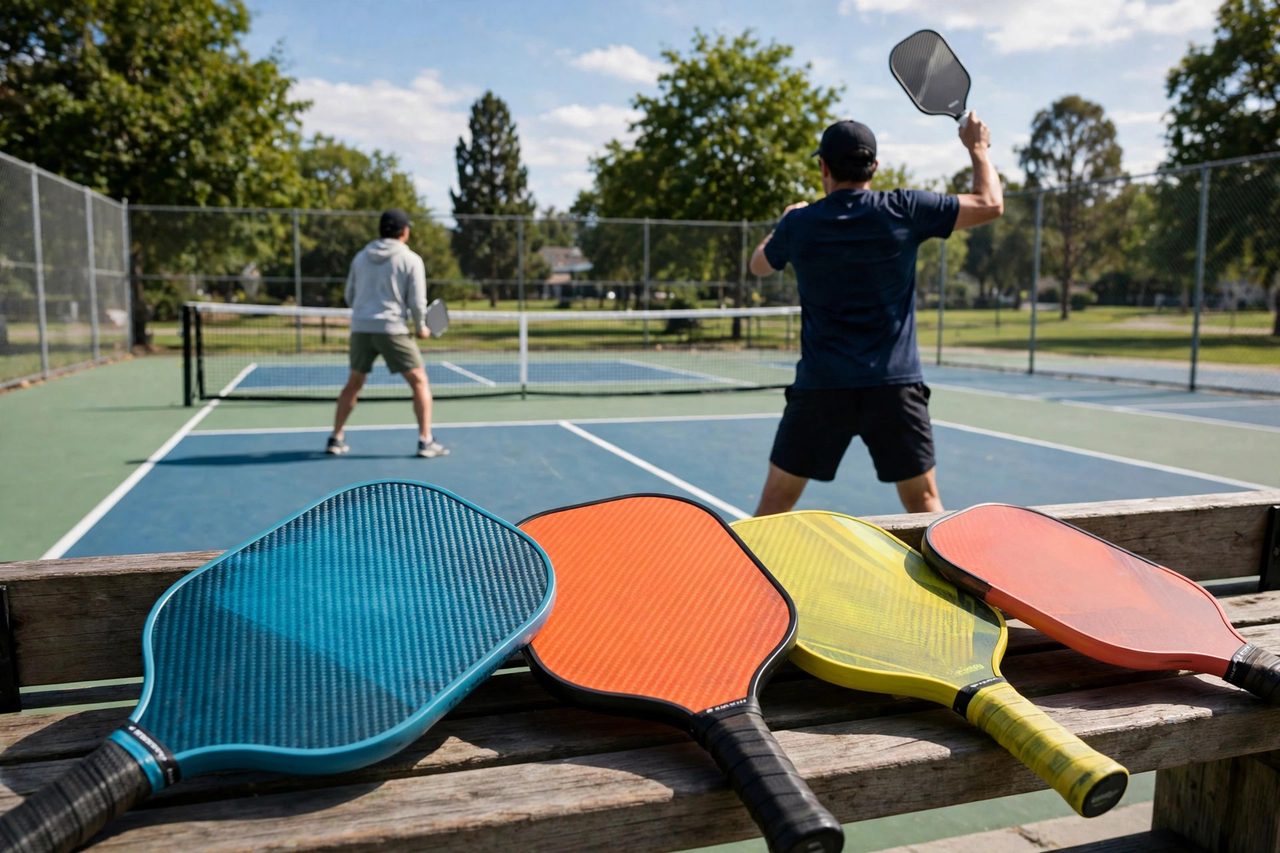
Pickleball's Billion-Dollar Paddle Boom: How a Backyard Game Became Big Business
Sixty years ago, the first pickleball paddles were plywood boards cut in a basement. Today they are $200 carbon-fibre pro gear, and the paddle business is worth about a billion dollars a year.
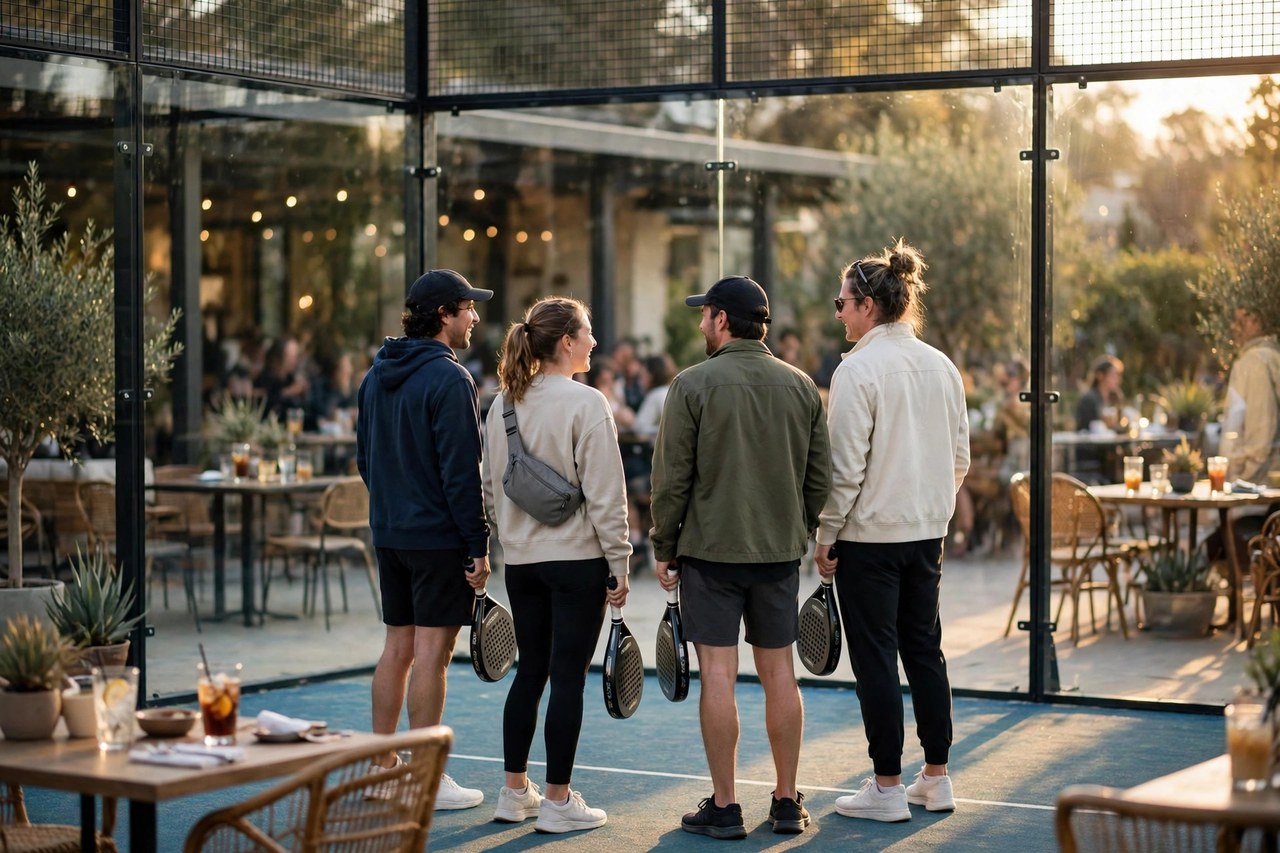
Padel Is a Social Club First, a Sport Second
After-work games, club bars, mixed doubles nights and team outings: padel grew so fast because the game is built around people, not just points.
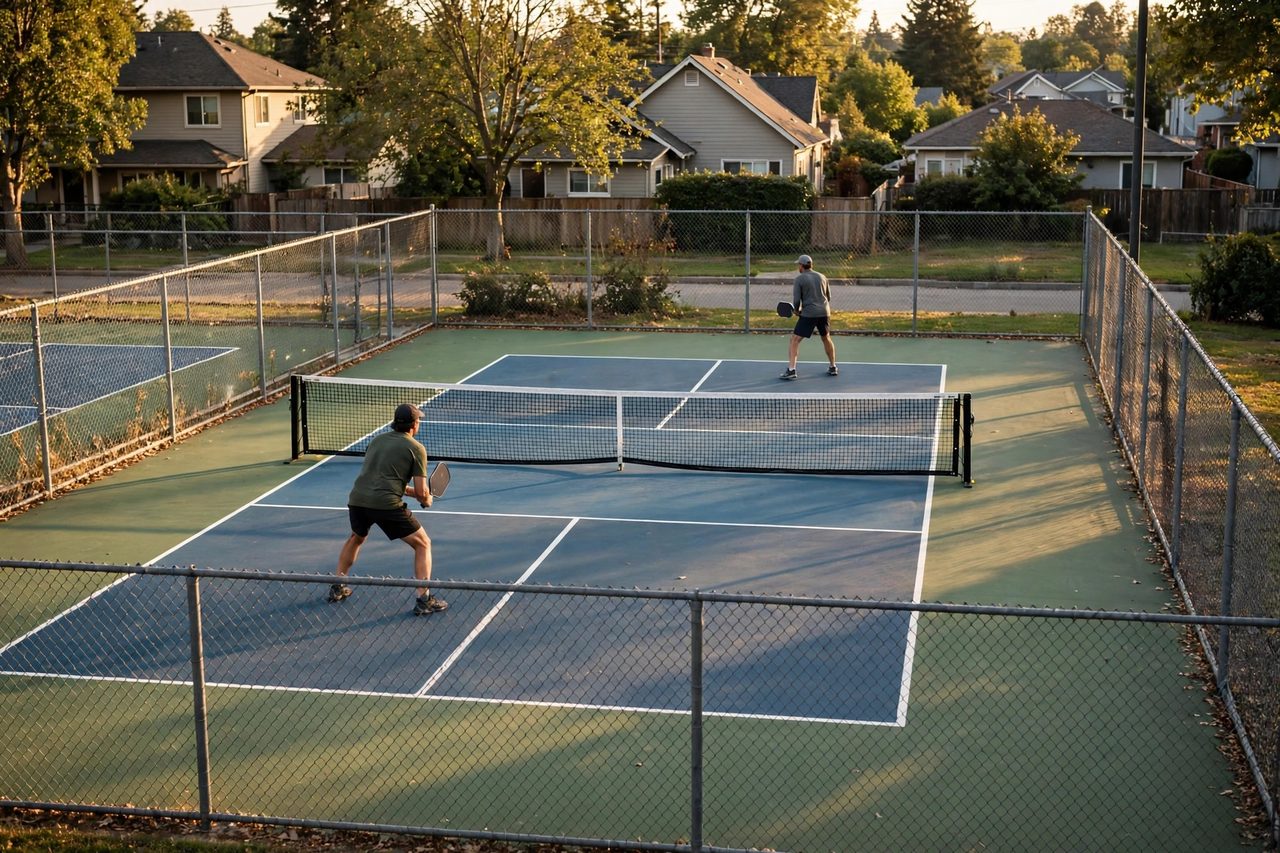
Pickleball's Noise Problem: The Sport the Neighbours Love to Hate
Pickleball is the fastest-growing sport in America, but its sharp pop is driving neighbours to court, closing courts and forcing the sport to get quieter.