
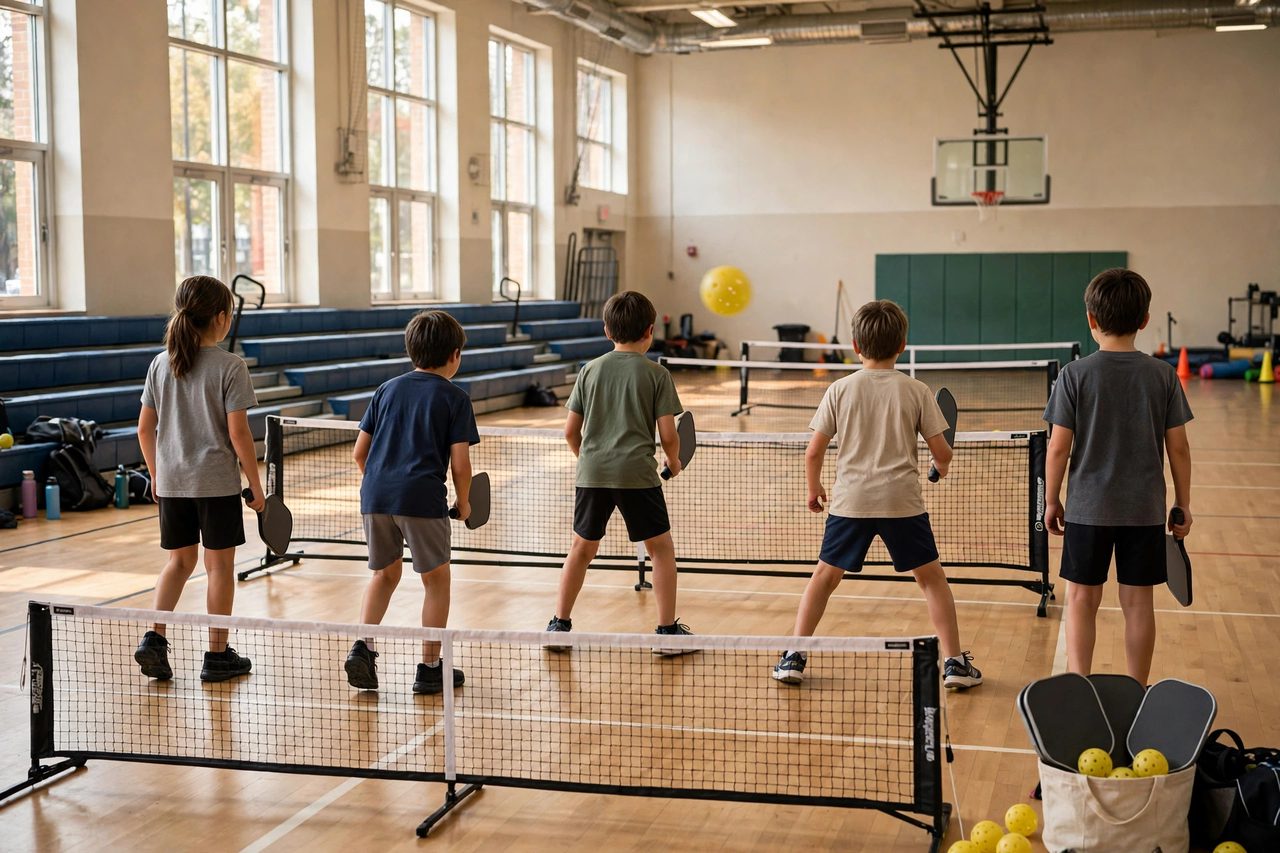
The future of pickleball will not be decided in San Clemente or at a pro tour stop. It is being decided right now in school gymnasiums — in PE classes where a borrowed paddle is a child’s first racquet sport, and in after-school clubs that are becoming fixtures of American school life.
The national push
The campaign has an organized engine: USA Pickleball. Its “Grow the Game” program awards equipment grants to schools and communities — 51 organizations across 27 states in the inaugural round, including the Worcester Public Schools in Massachusetts, which received 72 paddles, 3 nets and 200 pickleballs, plus professional development training for PE teachers with local ambassadors. The program estimates nearly 200,000 people will benefit.
Then came the bigger move. USA Pickleball announced a national partnership with Boys & Girls Clubs of America — an organization that reaches more than four million young people a year through over 5,500 locations, from Native lands to military installations to public housing communities. The plan: pickleball starter kits for Club locations nationwide, beginning with a launch in Arizona covering all 75 clubs and more than 50,000 youth, backed by a $100,000 investment and a commitment to build one pickleball court at a Boys & Girls Club every year.
The numbers behind the charitable arm, USA Pickleball Serves, tell the scale of the effort. Between April 2024 and April 2026: 936,356 individuals served, 315,022 youth engaged, 13,208 paddles supplied, 530 nets donated. This is no longer a pilot. It is infrastructure.
Wyoming: fourteen schools, one thousand paddles
The grassroots version is happening state by state. In Wyoming, a donation drive led by the Wyoming Pickleball Association has put more than 1,300 pieces of equipment into 14 schools — paddles, balls and gear, funded by local businesses including Pinnacle Bank and Blue Federal Credit Union, with JOOLA donating equipment. Organizers say the goal is simple: every kid gets the chance to discover the sport, whatever their family can afford. Scholarships, camps and clinics are next.
The varsity horizon
School pickleball is already climbing the competitive ladder. High school players like Ryan Corkery, among the first varsity pickleball players at Maryland’s Sherwood High School, and Danya Saleem of Churchill High School in Potomac talk about it the way athletes talk about any great team sport — the partnership, the trust, the social pull. “High school pickleball is by far the best sports team I have ever been on,” Saleem says.
The sanctioning question is now openly discussed. Lindsey Atkinson of the National Federation of High Schools says more districts are coming. Jeff Cluff of the Utah High School Activities Association goes further: “I see us becoming the first state that sanctions pickleball in the next few years.”
Manufacturers are feeding the pipeline. Selkirk says its Growth Program has donated more than 30,000 paddles to communities, including schools. JOOLA has provided equipment to more than 150 schools nationwide.
Why it works in a gym
The reasons are the same ones driving pickleball everywhere: the learning curve is gentle, the equipment is cheap and portable, and a badminton court becomes four pickleball courts. But in schools there is an extra ingredient — the doubles format forces collaboration with a single partner, sometimes a stranger. “It forces you to collaborate with one person, who you may have never met, to play well,” Corkery says. That is not just a sports skill. It is a life skill wearing a paddle.
From PE units to after-school clubs to, perhaps soon, sanctioned varsity teams in Utah, pickleball is doing what great school sports do: making itself indispensable before the adults have fully noticed. The pro tours will get their stars from somewhere. increasingly, it is here.
Related articles
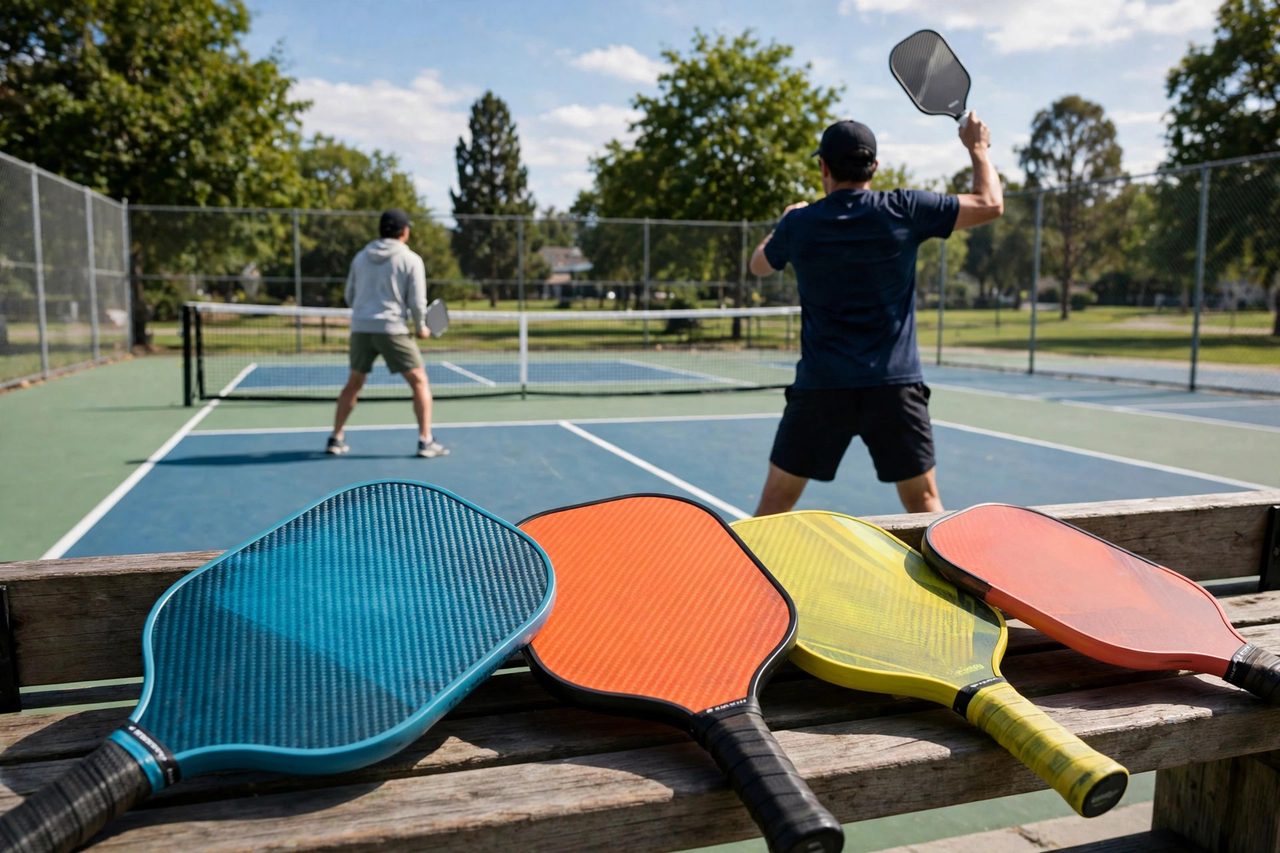
Pickleball's Billion-Dollar Paddle Boom: How a Backyard Game Became Big Business
Sixty years ago, the first pickleball paddles were plywood boards cut in a basement. Today they are $200 carbon-fibre pro gear, and the paddle business is worth about a billion dollars a year.
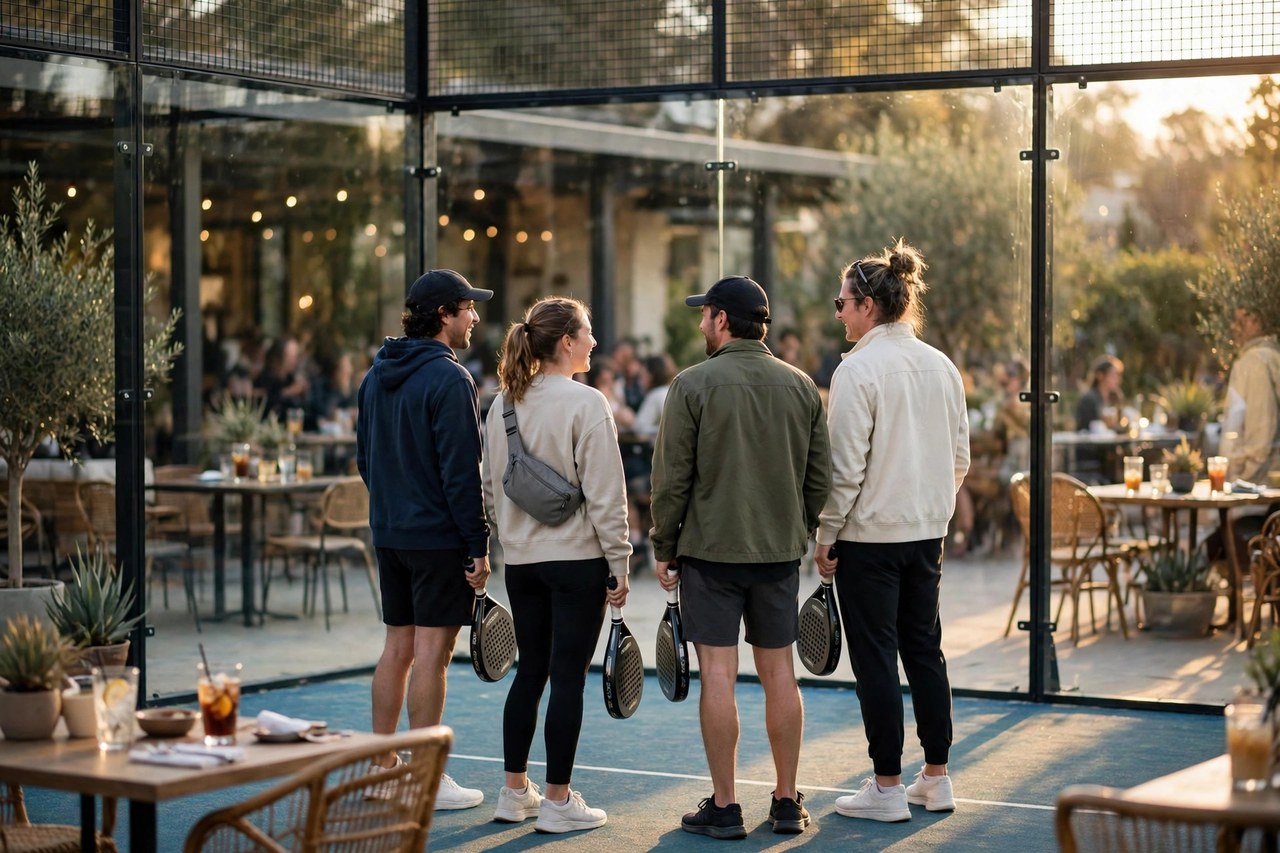
Padel Is a Social Club First, a Sport Second
After-work games, club bars, mixed doubles nights and team outings: padel grew so fast because the game is built around people, not just points.
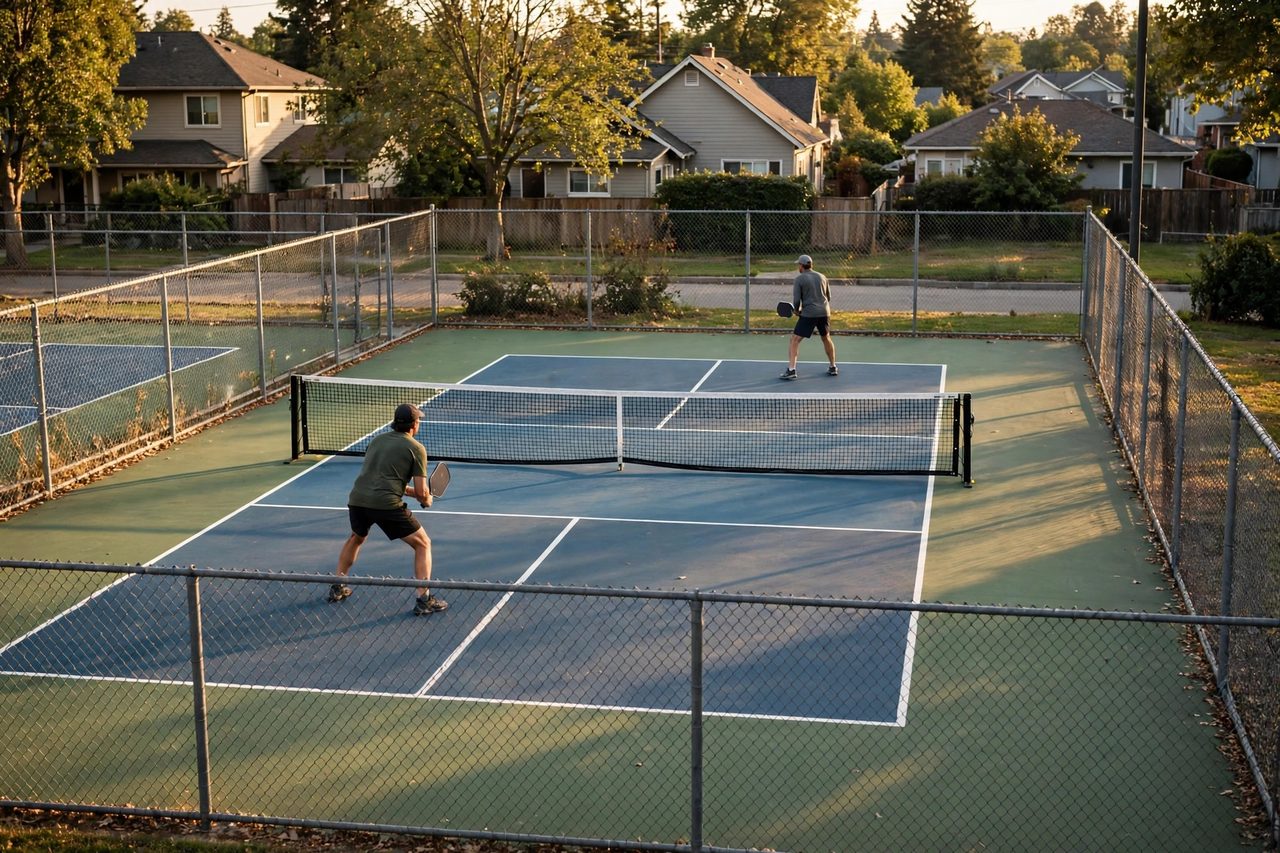
Pickleball's Noise Problem: The Sport the Neighbours Love to Hate
Pickleball is the fastest-growing sport in America, but its sharp pop is driving neighbours to court, closing courts and forcing the sport to get quieter.