
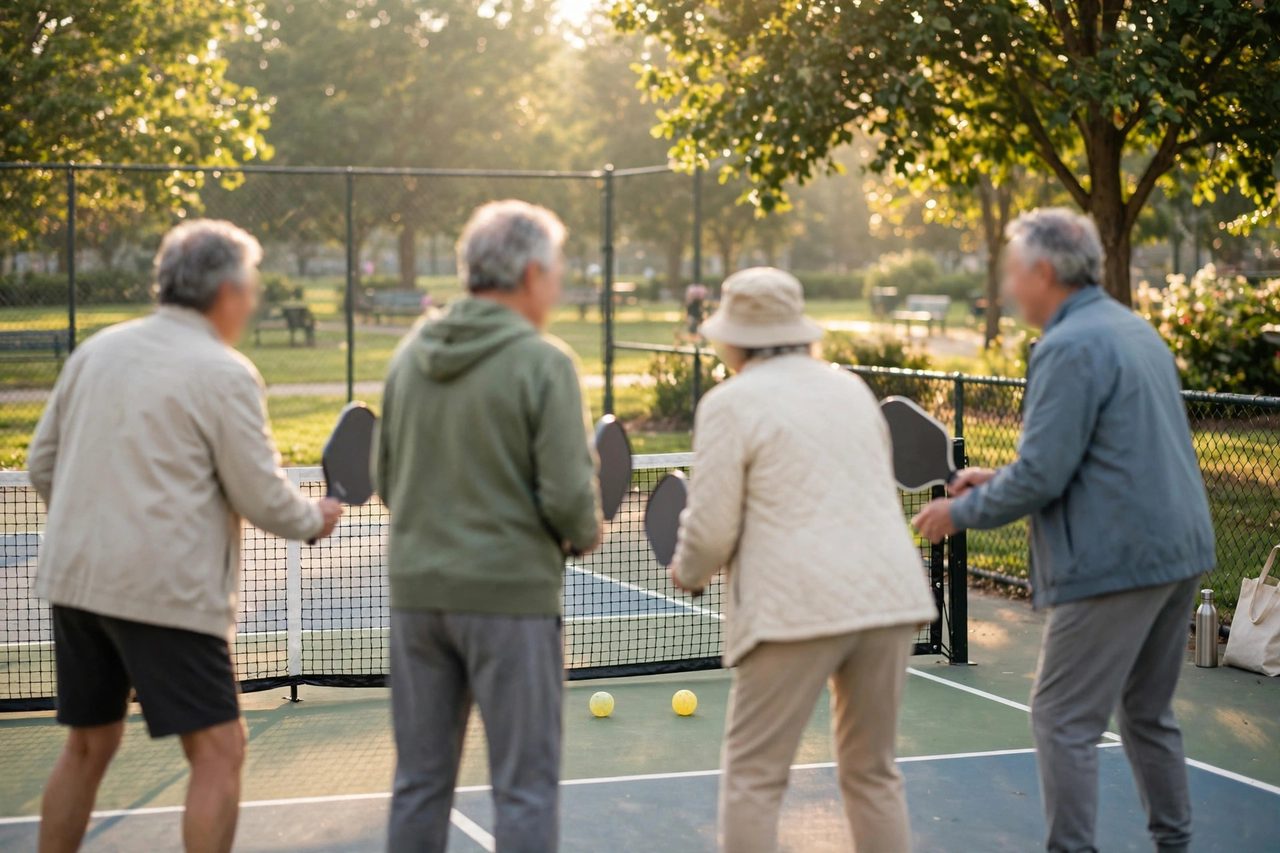
Walk past any pickleball court on a weekday morning in America, and you will see the same scene. Players in their sixties, seventies and eighties, laughing between points, rotating partners, staying for coffee after the last game. They were here first. And they never left.
Pickleball has a reputation now as a young person’s sport. The average player is getting younger, and the fastest-growing group of players is under 35. But that misses the real story. The sport was built by older players, and they are still its backbone.
How it started
Pickleball was invented in 1965, on Bainbridge Island, near Seattle, by two neighbours who wanted to entertain their children with whatever sports gear they had lying around. For decades after that, it stayed small. It spread by word of mouth, from friend to friend, from retirement community to retirement community.
Then the pandemic came, and everything changed. People wanted something they could do outside, with other people, without too much risk. Pickleball was waiting for them. According to the Sports and Fitness Industry Association, the number of players in America grew from 4.2 million in 2020 to more than 24 million in 2025, making it the fastest-growing sport in the country for five years in a row.
Younger players flooded in. But the older players were already there, and they had built the thing the newcomers were joining.
Why older players love it
The reasons are simple, and they have nothing to do with nostalgia. Pickleball is easy on the body. The court is small, about a third of the size of a tennis court, so you do not have to run far. The ball is light and slow, a plastic ball with holes in it, so rallies last longer and the game is less about pure power.
It is also easy to learn. You can pick up the basics in one session and have a real game on your first day. For someone who has never played a racquet sport, that matters. For someone who played tennis for forty years and whose knees have other ideas now, it matters even more.
But the biggest reason is not physical. It is social. Pickleball games rotate. You play with different partners, you meet new people every session, and the game has a built-in pause between points for a quick chat. For many older players, the court is where their social life happens.
That matters more than it sounds. About one in three adults between 50 and 80 say they feel lonely, according to health surveys reported this year. A standing game, a rotating cast of partners, and easy conversation between points is a real answer to that. What looks like a game may actually be community.
The culture they built
The senior players did not just play pickleball. They built its culture. The morning open play session, where anyone can turn up and join in, comes from them. The habit of rotating partners so nobody sits out for long comes from them. The unwritten rule that you welcome new players and teach them the game, instead of shutting them out, comes from them.
That culture is now the sport’s greatest strength. It is why a 22-year-old and a 72-year-old can play in the same session and both enjoy it. It is why pickleball clubs feel different from most sports clubs: less cliquey, more open, more fun.
The younger wave has brought its own energy. Faster games, harder shots, more competition. The sport is richer for it. But the foundation, the welcoming, social, play-every-morning spirit, was laid by the players who were there before the boom.
Still playing, still winning
There is a temptation to treat senior pickleball as a gentle pastime, something sweet but not serious. That would be a mistake. Senior tournaments are fiercely competitive, with national championships and age-group rankings that players take very seriously. The shots are softer, but the tactics are sharp, and the will to win is exactly the same.
And the mornings go on. Every day, in parks and community centres across America, the first players on court are the ones who have been playing the longest. They built this sport when nobody was watching. Now the whole world is watching, and they are still out there, paddle in hand, ready for the next game.
If you want to understand pickleball, do not start with the pros. Start with a weekday morning session, and the players who never left. They are the reason the sport feels the way it does.
Related articles
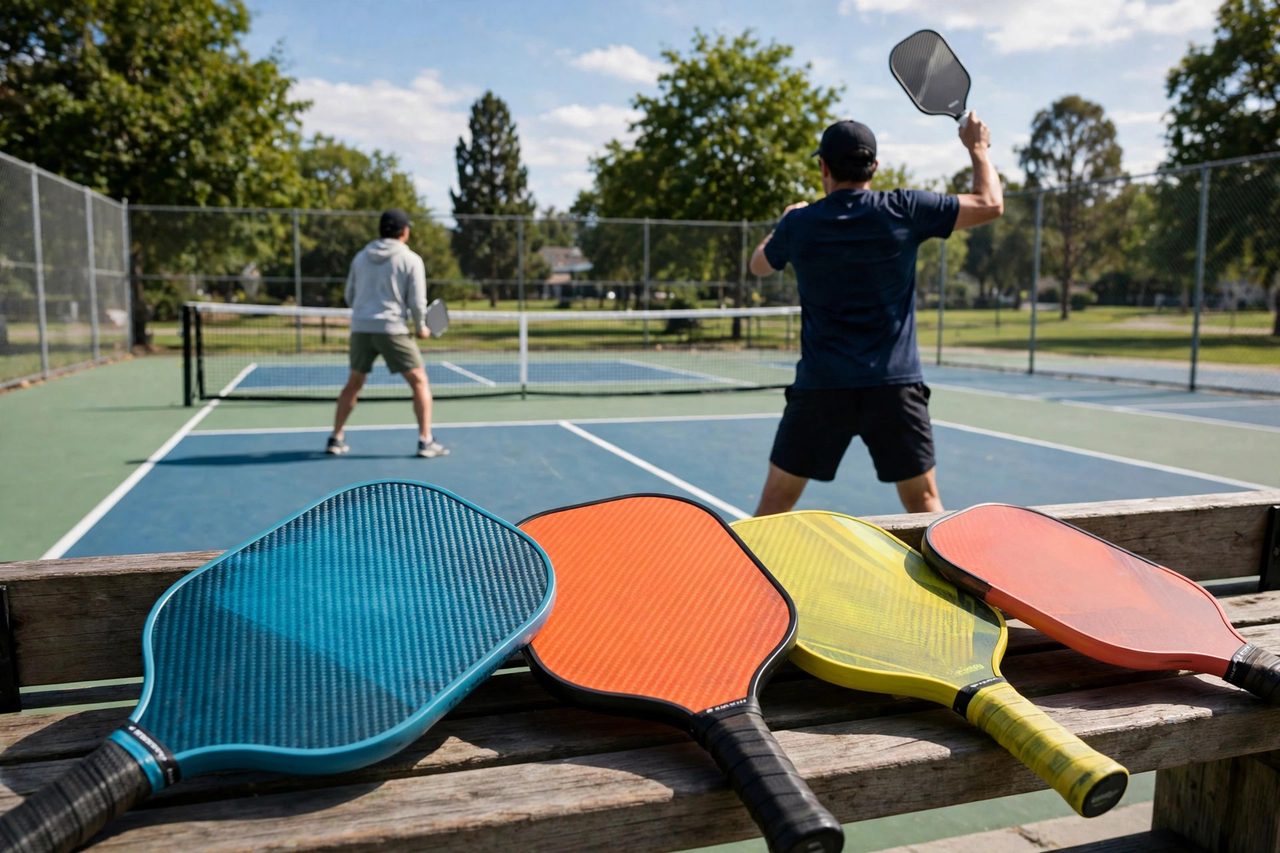
Pickleball's Billion-Dollar Paddle Boom: How a Backyard Game Became Big Business
Sixty years ago, the first pickleball paddles were plywood boards cut in a basement. Today they are $200 carbon-fibre pro gear, and the paddle business is worth about a billion dollars a year.
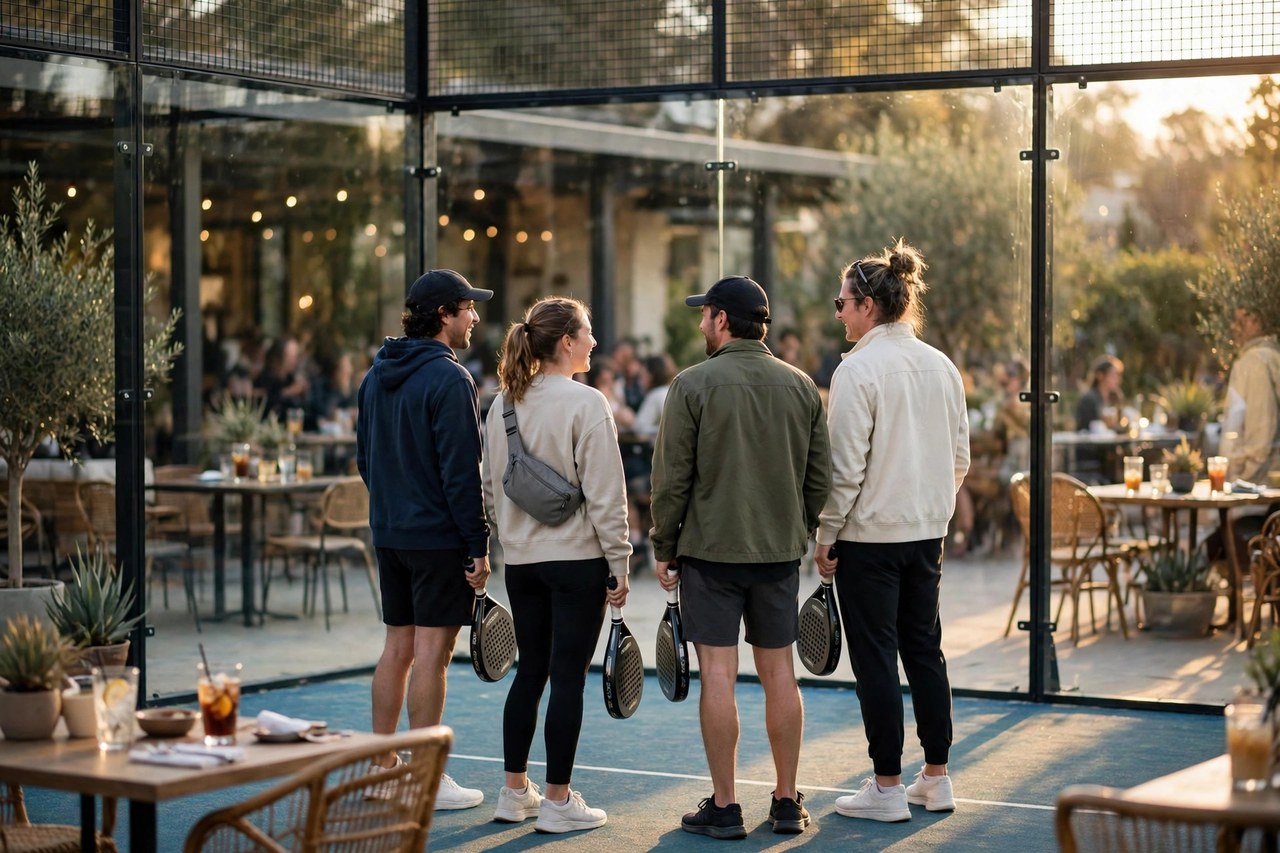
Padel Is a Social Club First, a Sport Second
After-work games, club bars, mixed doubles nights and team outings: padel grew so fast because the game is built around people, not just points.
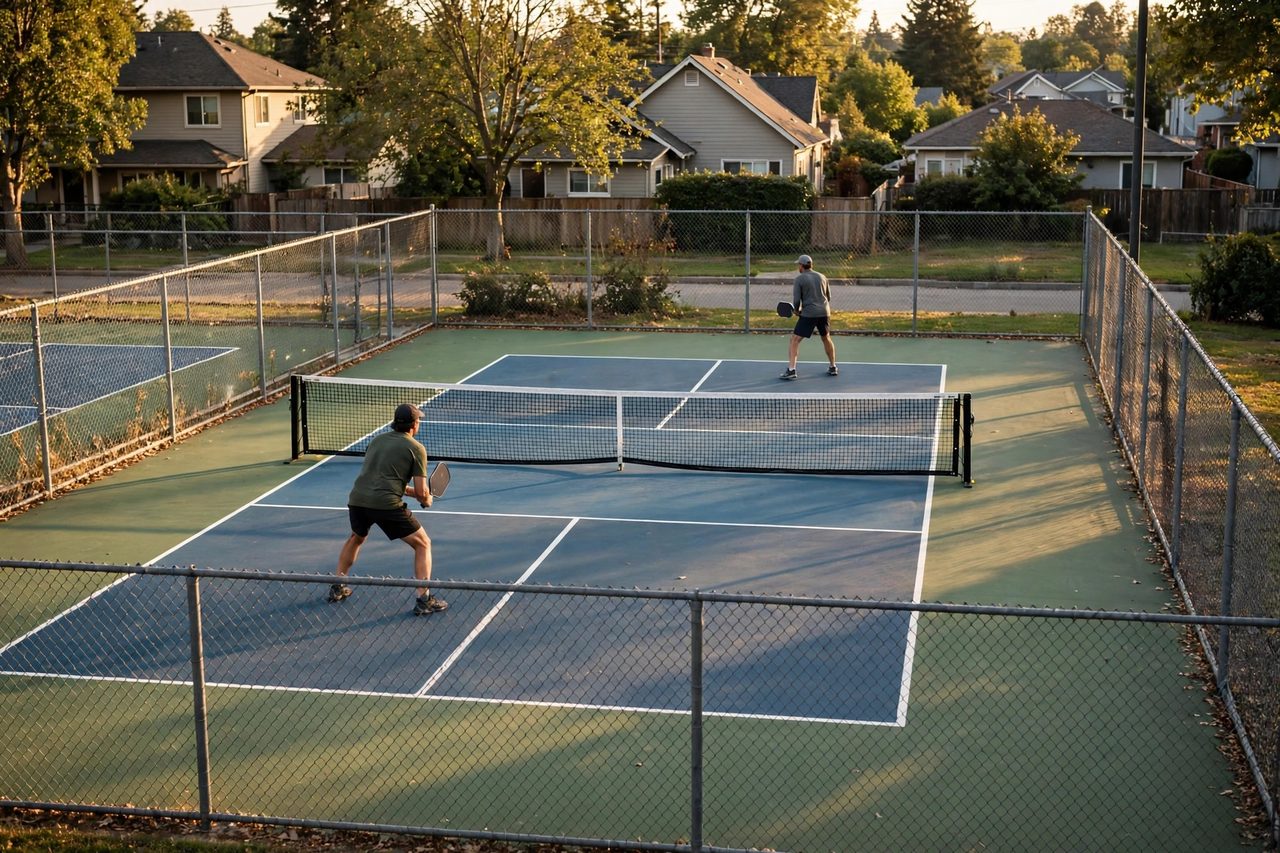
Pickleball's Noise Problem: The Sport the Neighbours Love to Hate
Pickleball is the fastest-growing sport in America, but its sharp pop is driving neighbours to court, closing courts and forcing the sport to get quieter.