
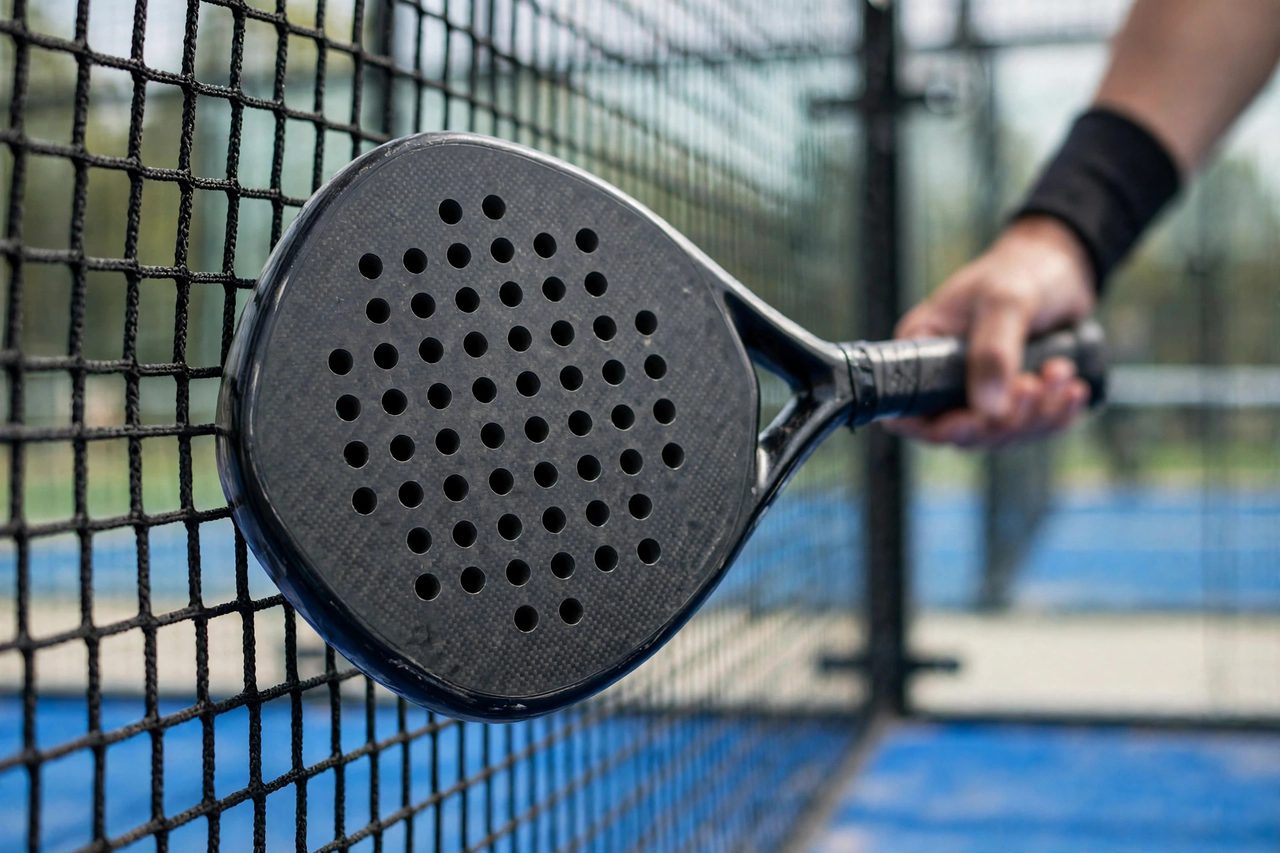
The Adidas Metalbone HRD+ 2026 is the racquet Alejandro Galán plays with, and it is one of the most uncompromising power racquets on the market. Diamond-shaped, head-heavy, and built around a firm High Memory EVA core, it is designed for one thing: ending points from above the net. Here is what the specifications actually mean, and who should — and should not — buy it.
The specs, per Adidas
- Shape: Diamond (teardrop with the sweet spot high)
- Weight: 345–360 g, plus 0–11.2 g via the adjustable Weight & Balance System
- Balance: Head-heavy, around 27 cm
- Thickness: 38 mm
- Face: Carbon Aluminized 16K
- Core: High Memory EVA (high density, firm)
- Surface: Spin Blade Decal (textured)
- Length: 455 mm, with an extended Extra Power Grip
- Level: Pro / elite, attacking game style
The headline number is the balance. At roughly 27 cm, this is a genuinely head-heavy racquet, and the diamond shape pushes the sweet spot toward the top of the face. That combination is what gives the HRD+ its ceiling on smashes, viboras and bandejas: more mass above your hand, more plow-through when you meet the ball high.
What the HRD+ core does
The “HRD+” stands for hard-plus, and the name is honest. Where the standard Metalbone 2026 uses a Soft Performance EVA core that forgives and cushions, the HRD+ uses High Memory EVA — a denser foam that returns to shape instantly after impact and gives back almost all the energy you put in. The result is a faster ball off the face and less dwell time, the fraction of a second the ball sits on the racquet.
That trade is the whole racquet. On a clean, well-prepared overhead, the HRD+ is explosive; reviewers consistently call it one of the most powerful frames Adidas makes. On a rushed defensive ball, or a low volley struck off-centre, it is less forgiving than its softer siblings. The Power Groove frame reinforcement and Octagonal Structure add rigidity around the perimeter, which helps stability on hard hits but does not soften the feel.
The Weight & Balance System
The HRD+’s most useful feature is also its most overlooked: the Weight & Balance System lets you add up to 11.2 g of screws in the frame, shifting the balance by roughly half a centimetre. In practice that means you can tune the racquet toward power (weights high) or toward manoeuvrability (weights low) without buying a second frame. For a racquet this head-heavy, that adjustability matters — a player who finds the stock balance too sluggish on defence can bring it back toward neutral.
Who should buy it — and who shouldn’t
Buy it if you are an advanced or competitive player who plays the left side (or attacks from the right), hits a lot of overheads, and already generates your own pace. The HRD+ rewards clean preparation, good footwork and confident acceleration; it will make your best shots better.
Do not buy it if you are still building technique, if you play mostly defensive padel, or if you have elbow or shoulder trouble. The firm core and head-heavy balance ask a lot of the arm, and the smaller effective sweet spot punishes lazy preparation. For those players, the standard Metalbone 2026 (same shape, softer core) or the round-shaped Metalbone CTRL 2026 are the better buys in the same family — same build quality, much more forgiveness.
The verdict
The Metalbone HRD+ 2026 is not a racquet for everyone, and that is the point. It is a specialist’s tool, built for the player who wants maximum power on attacking shots and is willing to pay for it with demanding feel elsewhere. In Galán’s hands it is a weapon; in yours, it should be a deliberate choice, not a default. Try before you buy, and if your overheads are already your best shot, this is the racquet that makes them better.
Related articles
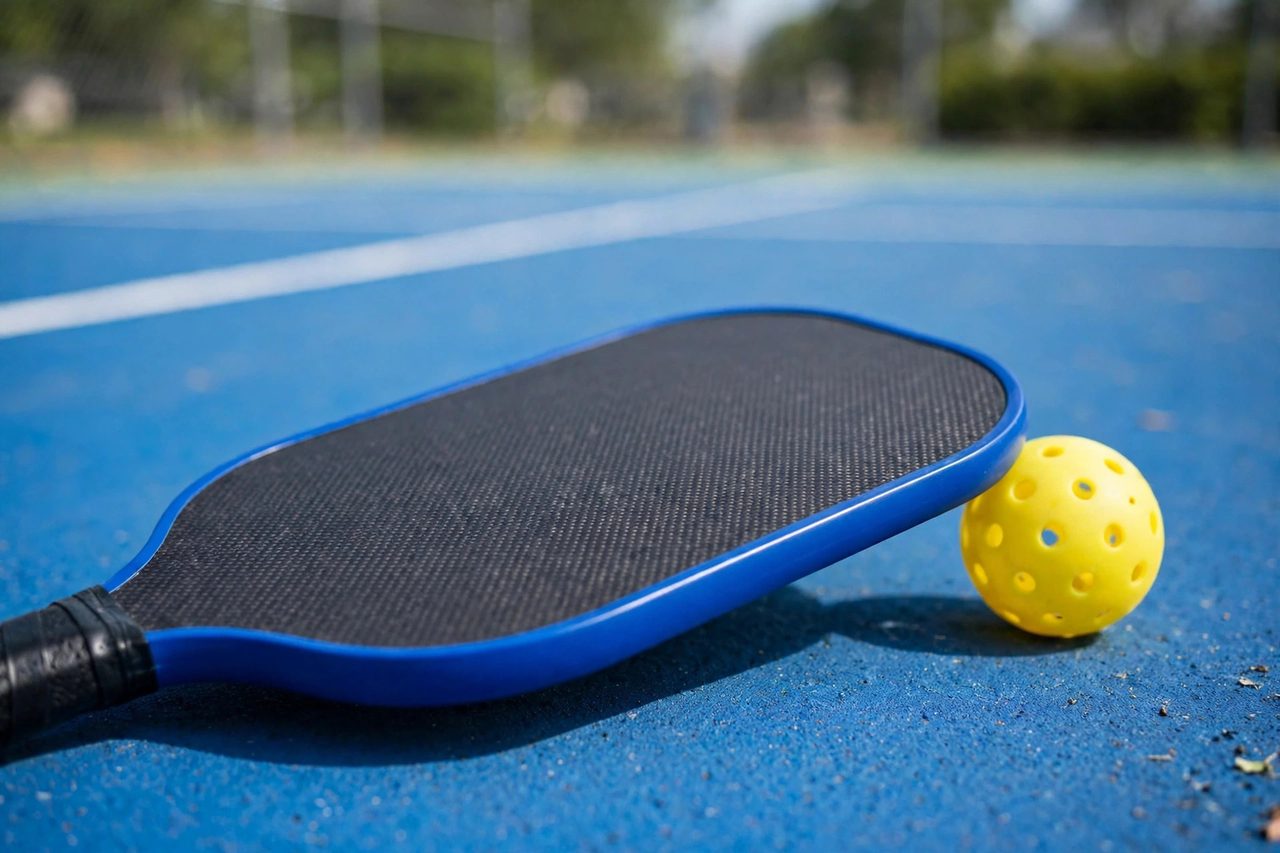
JOOLA Agassi Pro 16mm review: Agassi's racquet, built for tennis converts
Elongated 16.5 by 7.5 inches, 8.1 oz, 16 mm Propulsion Core with TechFlex Power and a textured carbon face — the JOOLA Agassi Pro 16mm is Andre Agassi's signature pickleball paddle, and it plays like it was made for players coming from tennis.
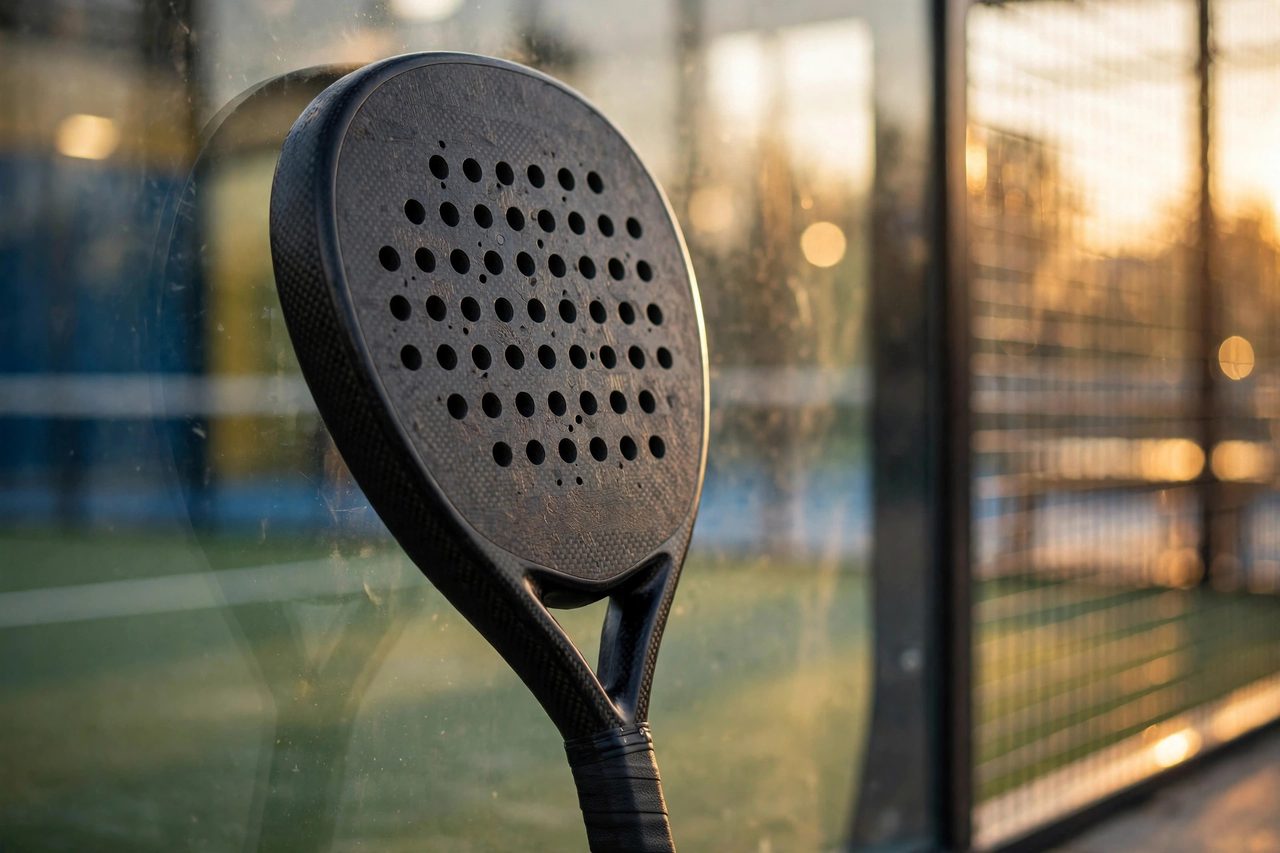
NOX AT10 Genius 18K 2025 review: Tapia's racquet, built for control
Teardrop shape, 360-375g, 18K Alum carbon face and MLD Black EVA core — the NOX AT10 Genius 18K 2025 is Agustín Tapia's signature racquet, and it plays like a precision tool for advanced players.
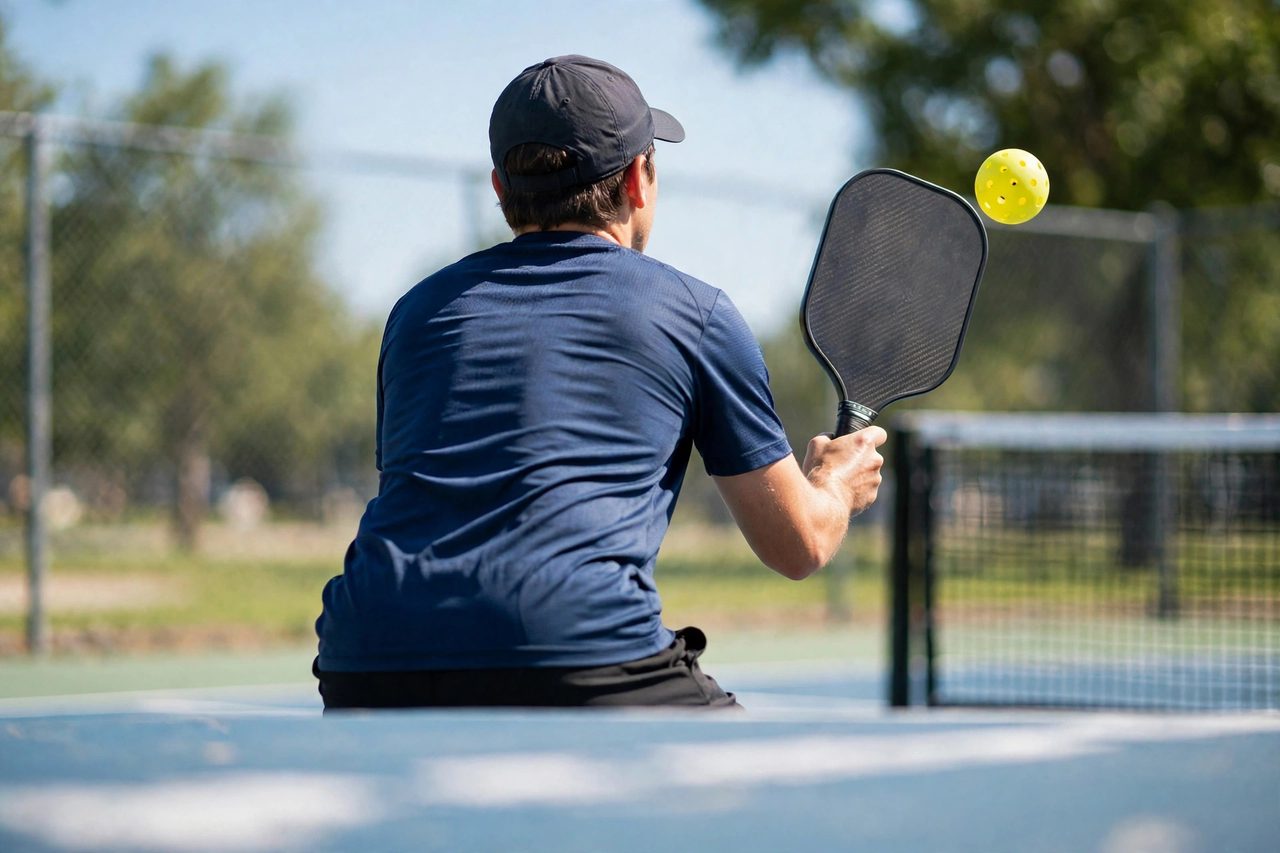
CRBN 3X Power Series Review: Big Sweet Spot, Real Power, Honest Trade-Offs
The CRBN 3X Power Series (now the X Series 3X) pairs a wide elongated shape with a gritty carbon face and foam-reinforced edges. Here is what its specs mean on court, and how to pick between 14 mm and 16 mm.