
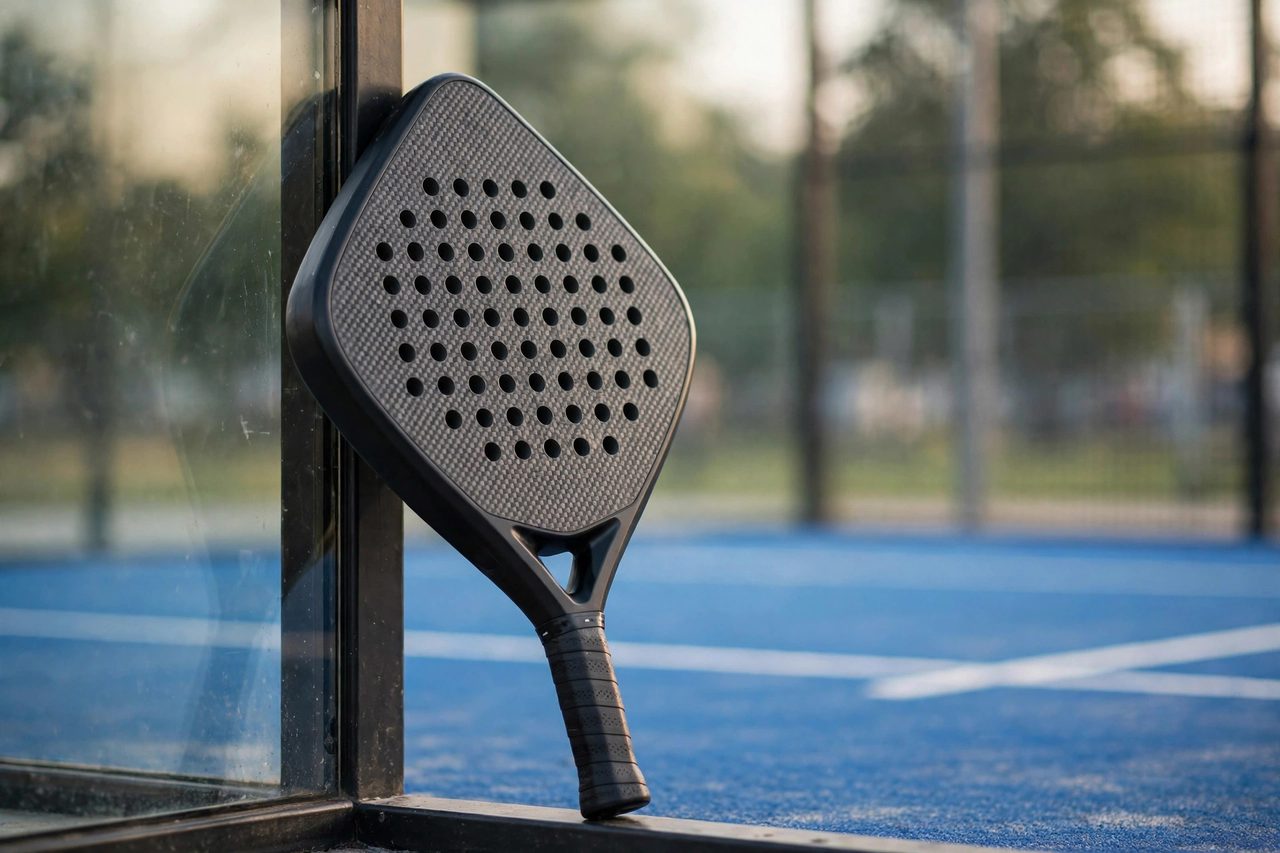
Some padel racquets make you choose: power or comfort. The Babolat Technical Veron 3.0 tries to give you both. It is the power racquet in Babolat’s Veron range, one step below the flagship Technical Viper. Same attacking shape, but a softer face and a friendlier feel.
Does it hold up on court?
What it is
The Technical Veron 3.0 is a diamond-shaped padel racquet. A diamond shape means the head is wide at the top and narrow at the bottom, with most of the weight sitting high up. That shape is built for power: the weight up top adds pace to your smashes. The trade-off is a smaller sweet spot — the area of the face that gives a clean, strong response when the ball hits it. Miss it, and the ball comes off weaker.
The headline specs, from Babolat’s own site: 360 grams (give or take 10), a 38 mm frame, and a balance point of 270 mm. Balance is where the weight sits along the racquet. At 270 mm the Veron is clearly head-heavy, which means the head leads the swing and adds power. The face is Carbon Flex, a mix of carbon and fibreglass. The core — the foam inside the racquet — is Black EVA, a medium-density foam that is firmer than the soft cores in control racquets but softer than the hard cores in pure power frames. Babolat calls it a “Technical Striker” model: its label for players who attack with skill and spin, not just brute force.
Two bits of tech are worth knowing. The Dynamic Stability System is a reinforced bar in the heart of the racquet, between the handle and the head, that keeps the frame steady on hard hits. Vibrabsorb System² is a vibration-damping system built into the core and handle, using small rubber-like inserts to soak up the buzz that travels into your arm on off-centre hits.
It lists at $144 on Babolat’s own US site.
Who it’s built for
This is a racquet for the left-side player. In padel doubles, the player on the left side takes most of the smashes and attacking shots, while the right-side player covers more defence and sets up points. If you play on the left and you like to finish points, the Veron is aimed at you.
Babolat pitches it at intermediate players, and that feels right. You need decent technique to get the best from a diamond shape and a head-heavy balance. If you are still learning your basic shots, a rounder, lighter racquet will forgive you more.
On court: power
The Veron hits hard. The diamond shape and head-heavy balance do exactly what they promise: smashes come off the face with real pace, and the ball stays low and skids after the bounce. Overhead shots from the back of the court carry well too. If you like to end rallies with a smash out of the court — a shot hit hard enough to bounce over the glass and leave the court — this racquet makes that easier.
The Carbon Flex face matters here. A full-carbon face, like the one on the Viper, is stiff and fast but can feel harsh. Carbon Flex mixes in fibreglass, so the ball stays on the face a fraction longer and the power feels controlled rather than wild.
On court: smashes, volleys and spin
The vibora is a sliced overhead shot, hit with sidespin so the ball stays low after the bounce. The bandeja is a slower, sliced overhead used to keep your opponents pinned at the back while you move forward. Both are bread-and-butter shots for a left-side attacker, and the Veron handles them well. The rough, textured face grips the ball, so slice bites and the ball skids low.
Volleys feel solid. The reinforced heart of the frame keeps the racquet stable when a hard ball comes at you at the net, and the 360-gram weight gives your blocks enough mass to send the ball back deep. It is not the fastest racquet in quick net exchanges — a head-heavy frame takes a fraction longer to move — but it is far from slow.
On court: defence
Here is the honest part. The Veron is not a defensive racquet. When you are stretched wide and digging a ball off the glass, the small sweet spot and the weight up top make it harder to get the ball back with control. Low balls and fast exchanges at the net ask more of your wrist and your timing than a round, head-light racquet would.
The trade-offs
The sweet spot is smaller than on a round or teardrop racquet, and mishits lose more pace. At 360 grams with a high balance, the Veron is also slower to swing around than a lighter, head-light frame — in fast net battles you will feel that. And while Vibrabsorb helps, this is still a stiff, head-heavy power racquet. If you have a sensitive elbow, test it before you buy.
Who should buy it
Buy it if you are an intermediate or advanced player who attacks from the left side, likes to finish points with smashes, and wants real power without the harsh feel of a flagship carbon frame. It is also a smart pick if you have tried the Viper and found it too stiff or too demanding.
Skip it if you are a beginner, if you play mostly on the right side and defend more than you attack, or if you want the easiest, most forgiving racquet you can find. If your game is built on defence first, look at the Counter Veron instead: same family, rounder shape, far more forgiving. And if your elbow is already unhappy, a softer, rounder frame is the safer call.
The verdict
The Technical Veron 3.0 does what it promises. It is a genuine power racquet — diamond shape, head-heavy balance, hard smashes — but the Carbon Flex face and the Black EVA core take the edge off. It is the attacking racquet for players who want pace and still want to enjoy their arm the next day. For its price and its place in the range, it is one of the most sensible power racquets Babolat makes. Not the most extreme. Not the most forgiving. But for the right player, very hard to beat.
Related articles
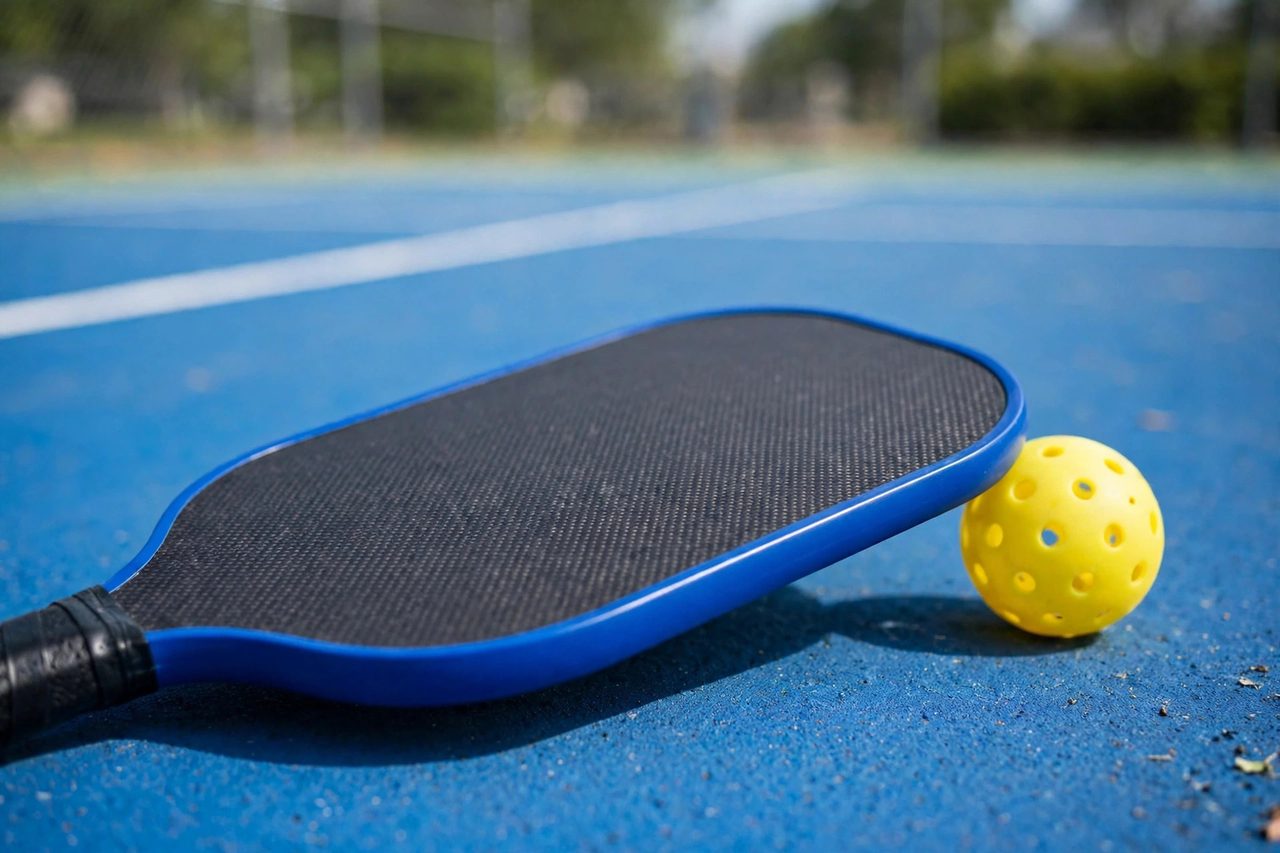
JOOLA Agassi Pro 16mm review: Agassi's racquet, built for tennis converts
Elongated 16.5 by 7.5 inches, 8.1 oz, 16 mm Propulsion Core with TechFlex Power and a textured carbon face — the JOOLA Agassi Pro 16mm is Andre Agassi's signature pickleball paddle, and it plays like it was made for players coming from tennis.
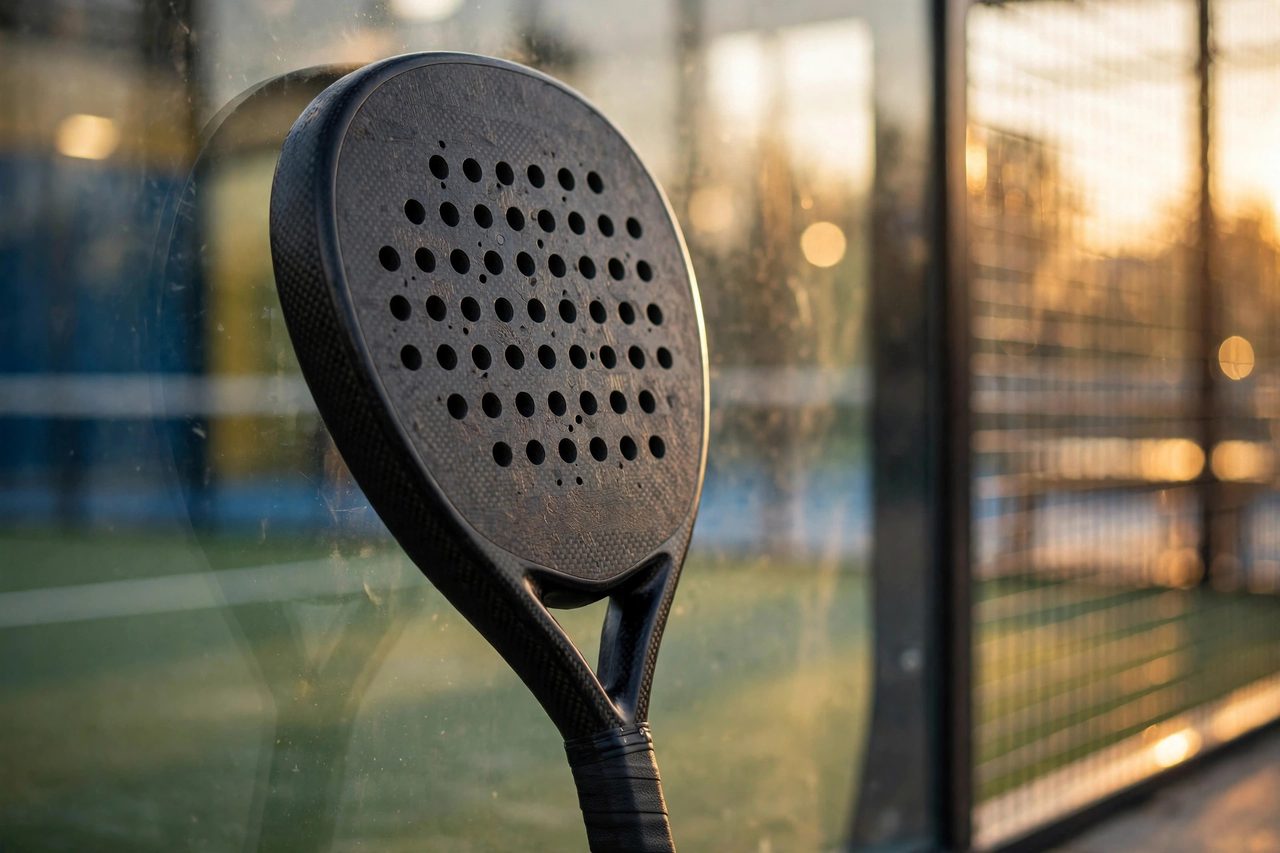
NOX AT10 Genius 18K 2025 review: Tapia's racquet, built for control
Teardrop shape, 360-375g, 18K Alum carbon face and MLD Black EVA core — the NOX AT10 Genius 18K 2025 is Agustín Tapia's signature racquet, and it plays like a precision tool for advanced players.
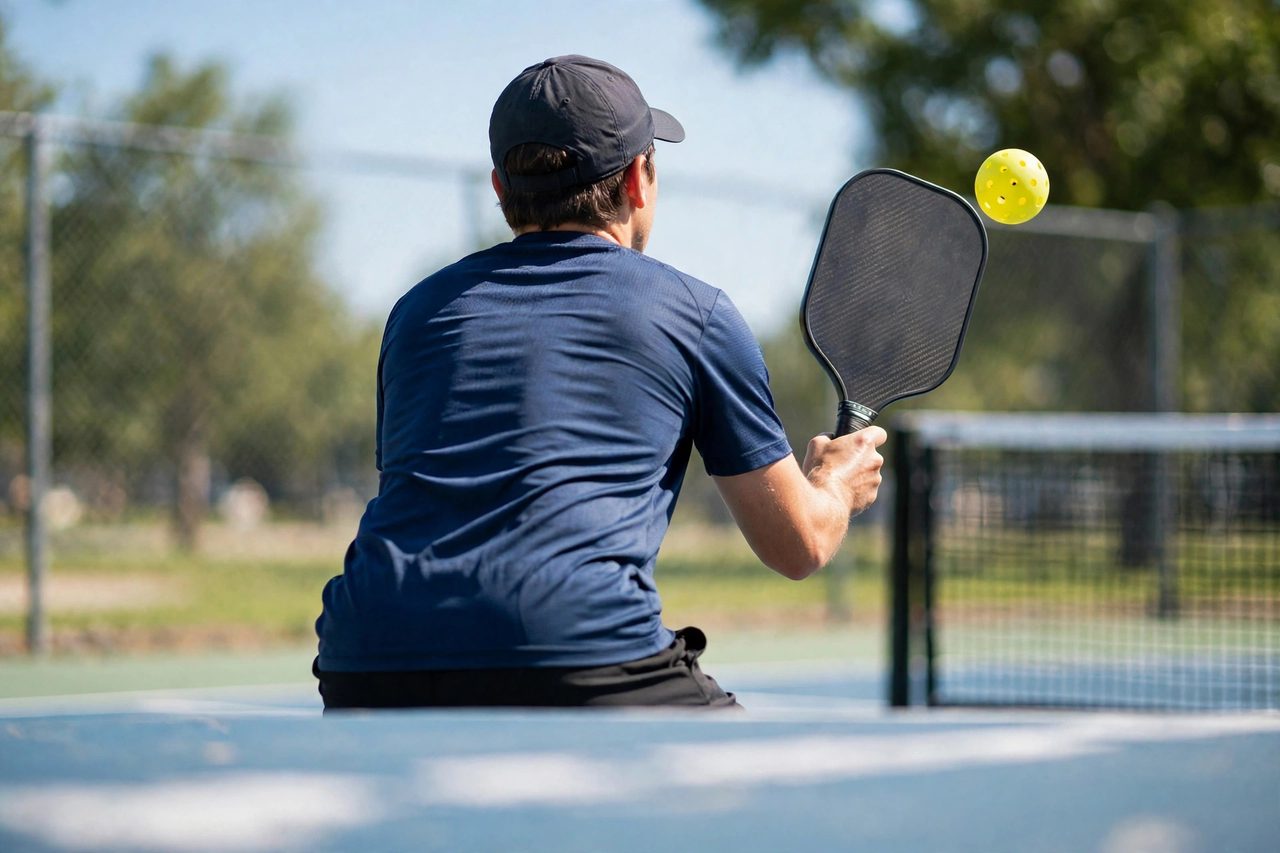
CRBN 3X Power Series Review: Big Sweet Spot, Real Power, Honest Trade-Offs
The CRBN 3X Power Series (now the X Series 3X) pairs a wide elongated shape with a gritty carbon face and foam-reinforced edges. Here is what its specs mean on court, and how to pick between 14 mm and 16 mm.