
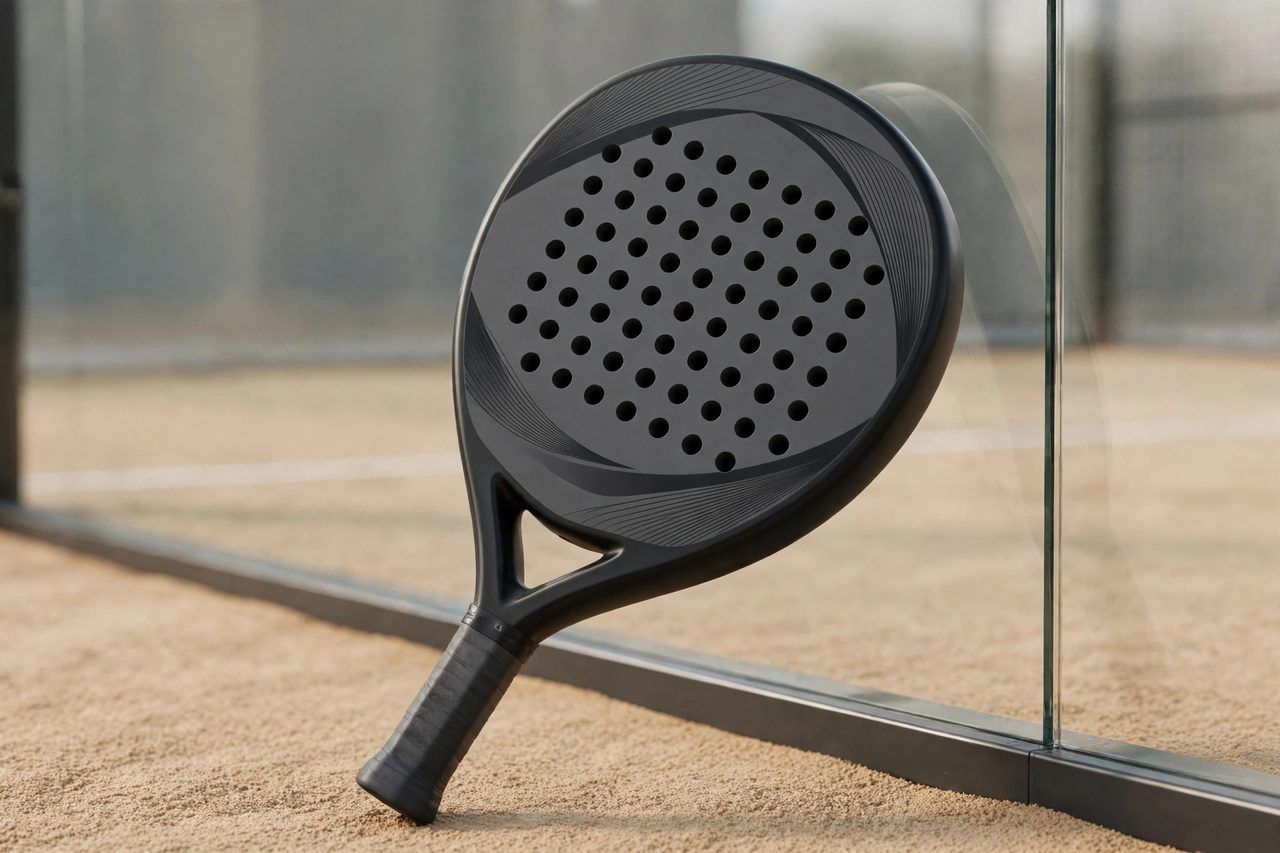
Every racquet catalogue has its fireworks — diamond frames for the left-side bombers — and then there is the Head Gravity Pro, the quiet professional. It is Head’s most advanced round-shaped racquet, aimed squarely at tournament players who control the game rather than detonate it. We put the spec sheet and the field feedback side by side.
The spec sheet
On paper, the Gravity Pro reads like a control manifesto. The frame weighs 365 grams (±10), which is serious mass, but it sits at a low 265 mm balance point — so the weight stays in your hand instead of loading the forearm. The shape is round, the beam 38 mm thick, the core Head’s Control Foam, and the face a hybrid woven blend of carbon and fiberglass.
Head’s headline technology is Auxetic 2.0, an evolution of the auxetic fiber construction the brand has pushed across its padel and tennis lines. The fibers widen under impact rather than compressing, which Head says expands the sweet spot and damps the high-frequency vibrations that punish elbows and shoulders. A Soft Buttcap on the handle adds another layer of shock absorption without deadening the connection to the ball, and a roughened spin surface helps grip the ball on cuts and slices.
Retail pricing sits around $179.95 in the US market — a genuine discount off its $254.95 list price — with European street prices around €150 for the current generation and heavier discounts on the previous year’s frame.
How it plays: control first, power later
The verdict from independent reviewers is consistent: this is a control and forgiveness frame, not a power frame. The round mold gives one of the widest, most reliable sweet spots in Head’s catalogue, which shows up in two places — digging defensive lobs out of the back wall when out of position, and blocking hard balls back low at the net. For the right-side player, whose job is keeping the rally alive, that combination is the entire business case.
Testers coming from tennis pick it up quickly: the stable, low-torque feel and generous sweet spot make it one of the easier advanced frames to learn with, despite the “advanced” label. Players rate it around 4.3 out of 5, and the review themes repeat almost word for word — excellent control and balance, comfortable on defense, but light on power.
The trade-offs, honestly stated
No racquet does everything, and the Gravity Pro is upfront about what it is not. A round shape with a medium-low balance carries far less momentum into overheads than a diamond frame, so left-side players who finish points with bandejas and smashes will find the racquet asking their shoulder to do the work. If your game is built on parrying — resetting deep balls, volleying with placement, chipping returns where the opponent isn’t — it is exactly the tool. If your game is built on finishing, look at the Extreme line instead.
There is also a practical quirk worth knowing: the Control Foam core is temperature-sensitive. In cold, damp winter conditions the foam firms up and ball output drops noticeably — bend the knees and drive through the ball, or accept that the racquet plays a notch duller until spring.
Who should buy it
- Advanced and strong intermediate players who play the right side and build points through consistency and placement.
- Defensive-minded competitors who want carbon feedback and a wide sweet spot without a heavy head.
- Anyone fighting tennis elbow or arm fatigue: the low balance point, Auxetic 2.0 damping and soft butt cap make this one of the most arm-friendly competition frames available.
Who should skip it: power-first left-side players, and beginners who would do better with a lighter, more forgiving glass-fiber frame while they build technique.
The Gravity Pro will never be the loudest racquet on the court. It is the one that keeps rallies alive long enough for your opponents to beat themselves — and for a certain kind of player, that is worth far more than raw pace.
Related articles
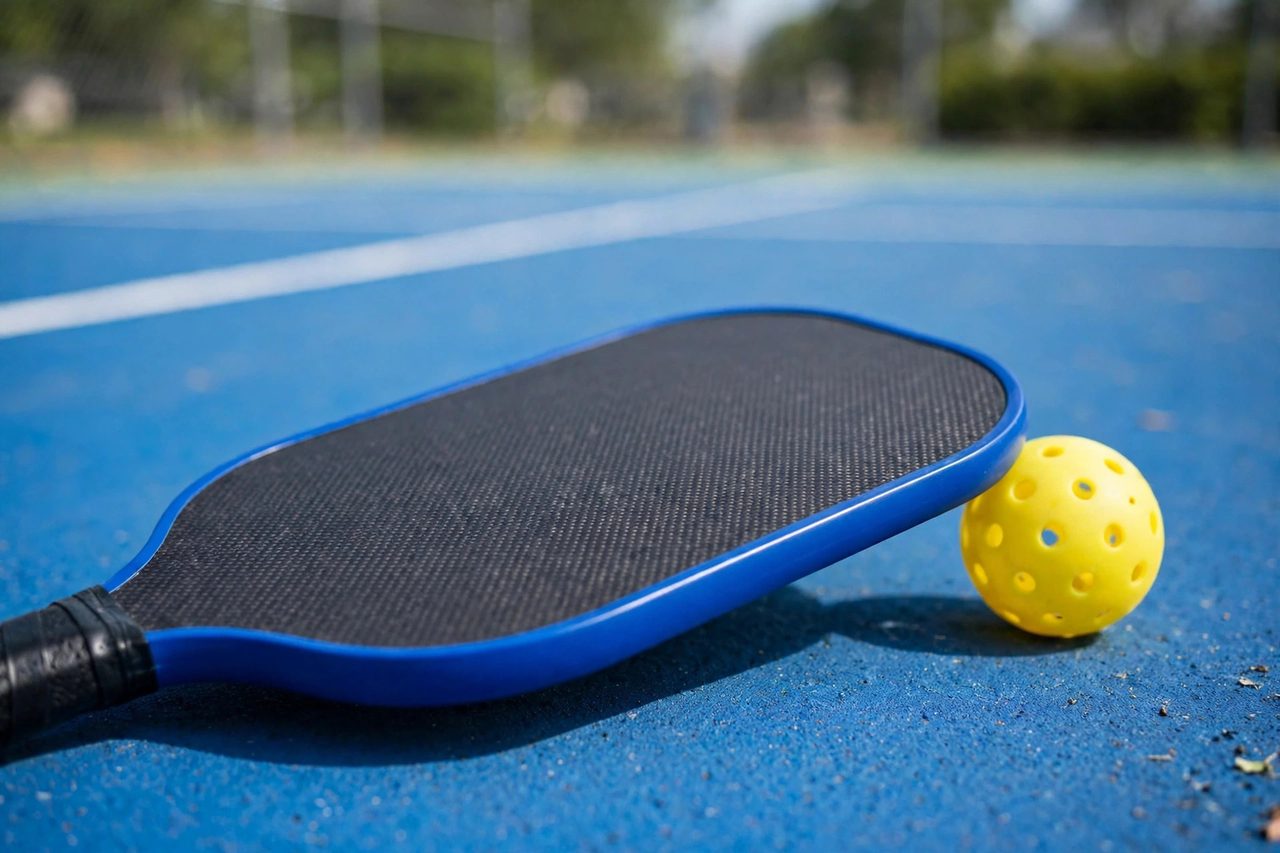
JOOLA Agassi Pro 16mm review: Agassi's racquet, built for tennis converts
Elongated 16.5 by 7.5 inches, 8.1 oz, 16 mm Propulsion Core with TechFlex Power and a textured carbon face — the JOOLA Agassi Pro 16mm is Andre Agassi's signature pickleball paddle, and it plays like it was made for players coming from tennis.
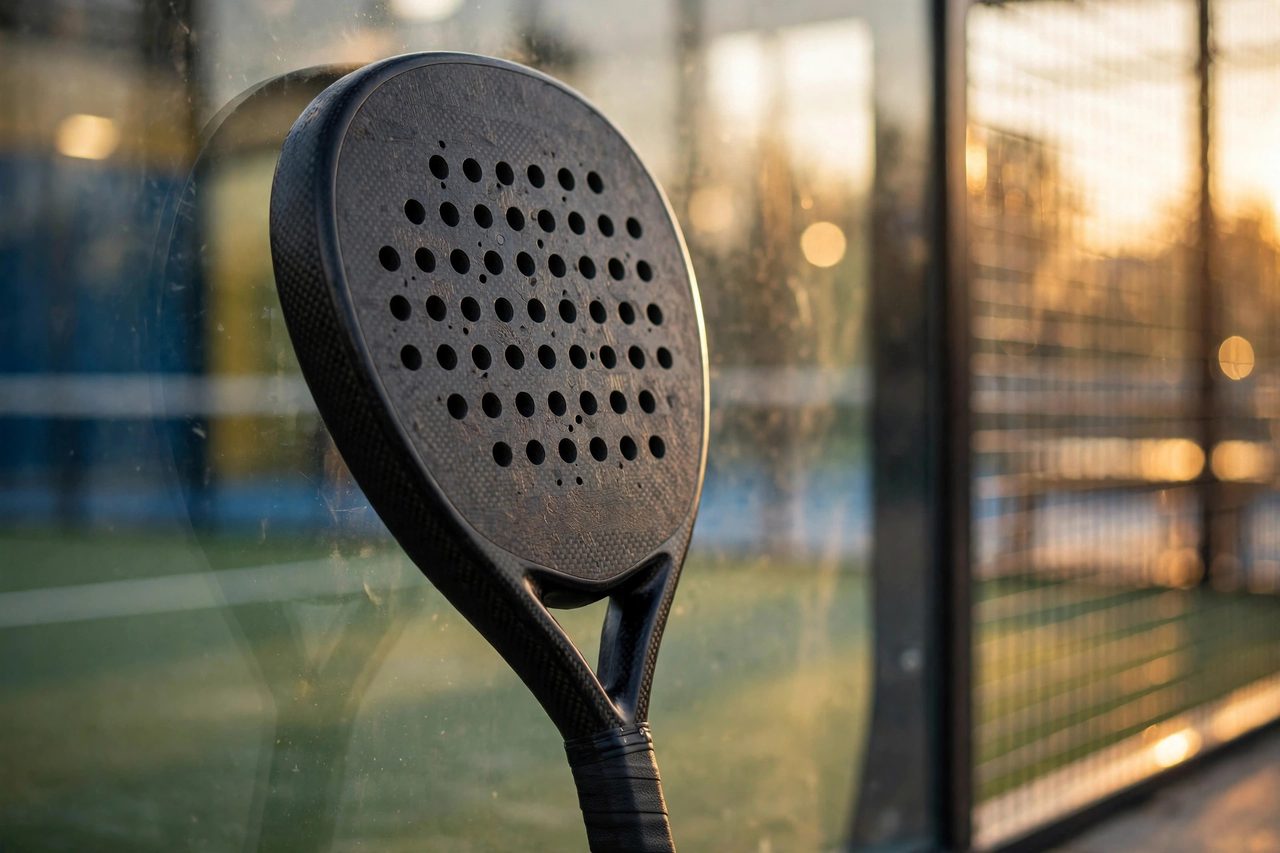
NOX AT10 Genius 18K 2025 review: Tapia's racquet, built for control
Teardrop shape, 360-375g, 18K Alum carbon face and MLD Black EVA core — the NOX AT10 Genius 18K 2025 is Agustín Tapia's signature racquet, and it plays like a precision tool for advanced players.
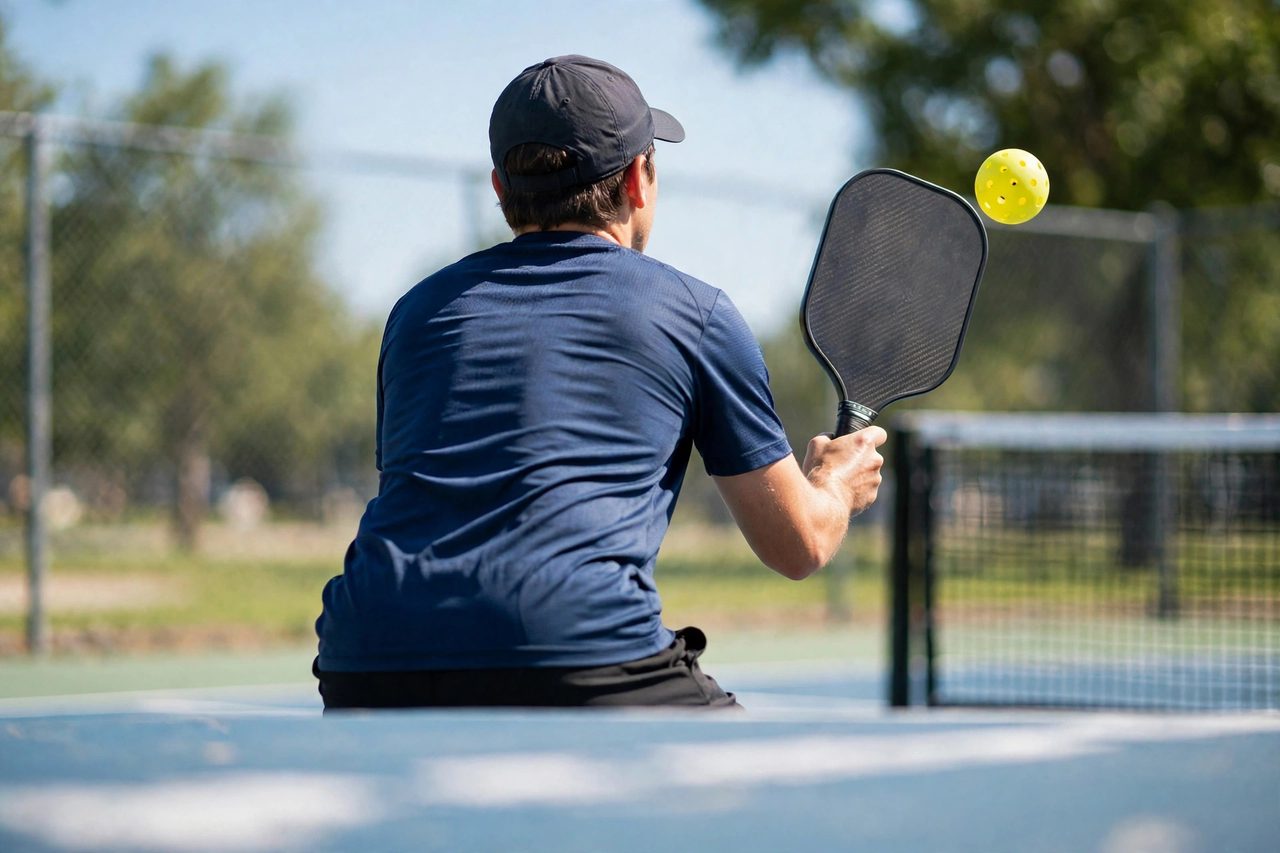
CRBN 3X Power Series Review: Big Sweet Spot, Real Power, Honest Trade-Offs
The CRBN 3X Power Series (now the X Series 3X) pairs a wide elongated shape with a gritty carbon face and foam-reinforced edges. Here is what its specs mean on court, and how to pick between 14 mm and 16 mm.