
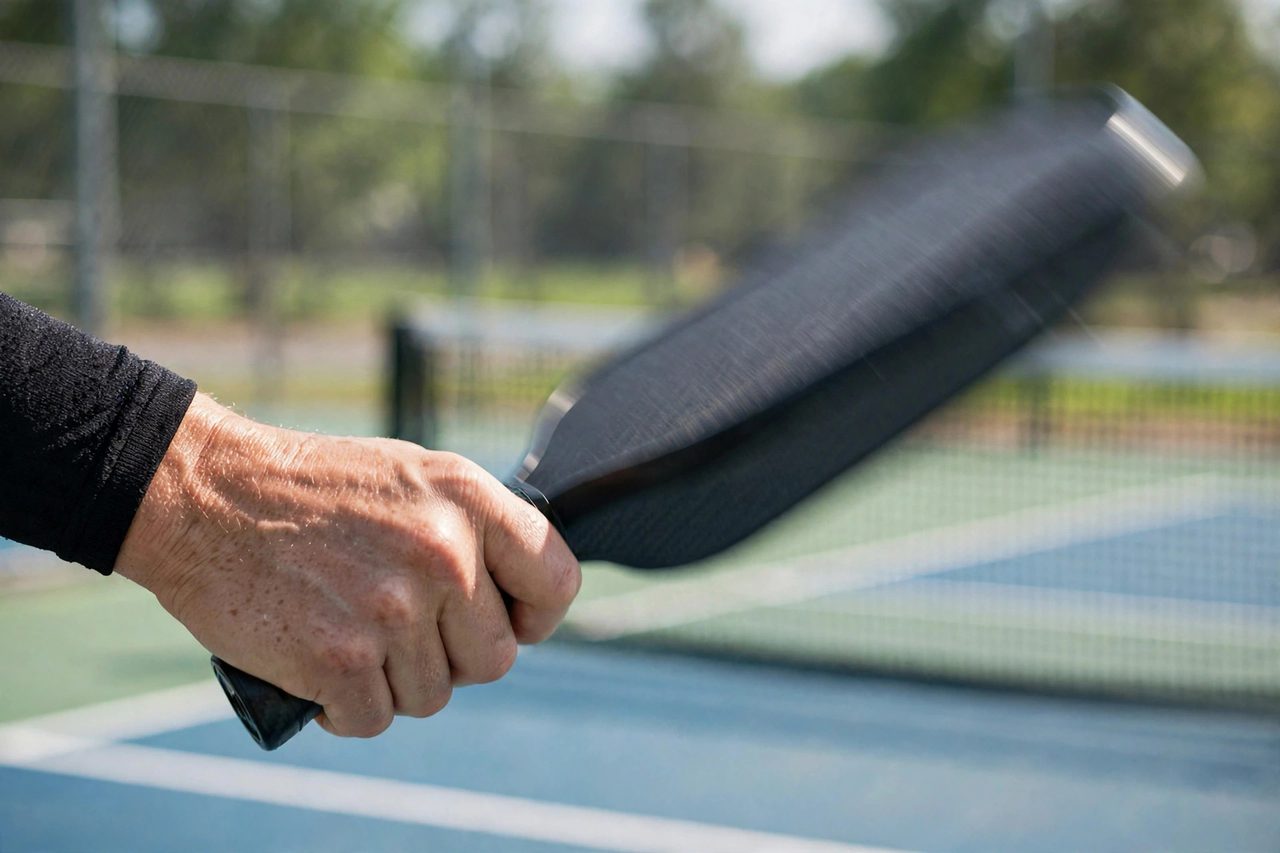
Some paddles want to help you. This one wants to set you free — and then watch what you do with the freedom. The Selkirk Vanguard Power Air Invikta is the longest, narrowest paddle in Selkirk’s flagship Power Air line, and it was developed with former national champion Tyson McGuffin. It is built for one kind of player above all: the aggressive player who wants to hit hard, spin hard, and finish points early.
First, the basics. A pickleball paddle is the flat bat you hit the ball with, much smaller than a tennis racquet and with no strings. The Invikta is 16.5 inches long and 7.375 inches wide, with a 5.25-inch handle. That long, slim shape is the whole point. It gives you extra reach, so you can cover more court, and extra leverage, so your swing generates more pace. The trade-off is built in: a longer, narrower paddle has a smaller sweet spot. The sweet spot is the area on the face where the ball comes off cleanly, and on this paddle, you need to find it more often than on a wider paddle.
It weighs between 7.7 and 8.1 ounces in its midweight version, which is solid without being heavy. The core — the inside of the paddle — is a polymer honeycomb, a plastic structure shaped like a beehive, just half an inch thick (13mm). A thin core like that is fast. The ball does not sit on the face for long. It springs off. That is why this paddle feels so powerful, and also why it gives you less help on soft shots. You have to supply the touch yourself.
What it feels like to play with
On drives, the Invikta is a joy if you like to attack. A drive is a hard, flat shot hit from the back of the court, and this paddle turns a good drive into a great one. The ball comes off fast and stays low, which makes life hard for the player on the other side. Reviewers consistently praise the power here, and it is easy to see why: the long shape, the thin core and the open throat all push in the same direction.
The throat is the narrow part of the paddle just above the handle. On the Invikta, Selkirk cut a big open hole there, called the Air Dynamic Throat, and shaped the area to flex when you hit the ball. Flex means the paddle bends slightly and then snaps back, which adds pace and gives the ball a fraction longer on the face. In practice, the paddle swings fast through the air.
Spin is the other headline. The face is a hybrid blend of fiberglass and carbon fiber, with a rough micro-texture Selkirk calls ProSpin+ NextGen. Spin is what makes the ball curve and dip in the air, and a grippy face grabs the ball so you can shape your shots. On serves and topspin drives — shots where you brush up the back of the ball to make it dive — the Invikta gives you a lot to work with. Reviewers also note the texture lasts well after months of play, which matters because a worn face loses its spin fast.
The sweet spot deserves an honest paragraph. Selkirk added foam around the edge of the paddle, called FlexFoam, to widen the sweet spot and calm vibrations. It helps. But this is still a long, thin paddle, and off-centre hits will let you know about it. If you mishit, the ball can fly long or drop short. One well-known review scored it 4.5 out of 5 overall and still warned about a learning curve, because of the relatively small sweet spot. This is not a paddle that hides your mistakes.
The soft game, and who should buy it
The soft game is where the Invikta asks the most of you. Dinks are the gentle shots played just over the net in the kitchen — the kitchen is the no-volley zone near the net, where you cannot hit the ball out of the air — and drops are soft shots that land just over the net from further back. With a thin, powerful core, both need a calm hand. You can play them well with this paddle, but you have to learn its pace first. Beginners will find that frustrating. The same review that praised the power also said plainly: pass if you are a beginner, and pass if you want a cheap paddle.
Price is the other honest part. At $250, the Invikta is one of the most expensive paddles on the market. Selkirk backs it with a lifetime warranty, which softens the blow, and the build quality is excellent — the edgeless design, with no plastic rim, looks sleek and removes a part that often peels or cracks on other paddles. The downside of no edge guard is that the edges can scratch more easily.
So who is it for? If you are an intermediate-to-advanced player who attacks, who likes a long handle — the long handle also makes two-handed backhands easier, since both hands fit on the grip — and who wants maximum power and spin, this is one of the best paddles you can buy. If you are still learning, or you want a forgiving paddle that helps your soft game, look at the wider Epic shape in the same line instead. It shares the same technology but gives you a bigger sweet spot.
The Invikta does not pretend to be for everyone. It is a specialist’s tool, and in the right hands it is a weapon. Know which hands are yours before you spend $250.
Specs at a glance
- Length: 16.5 inches; width: 7.375 inches; handle: 5.25 inches
- Weight: 7.7–8.1 oz (midweight); grip: 4.25 inches
- Face: hybrid fiberglass and carbon fiber; core: polymer honeycomb, 0.5 inches (13mm)
- Edge: edgeless DuraEdge; assembled in the USA; price: $250
Related articles
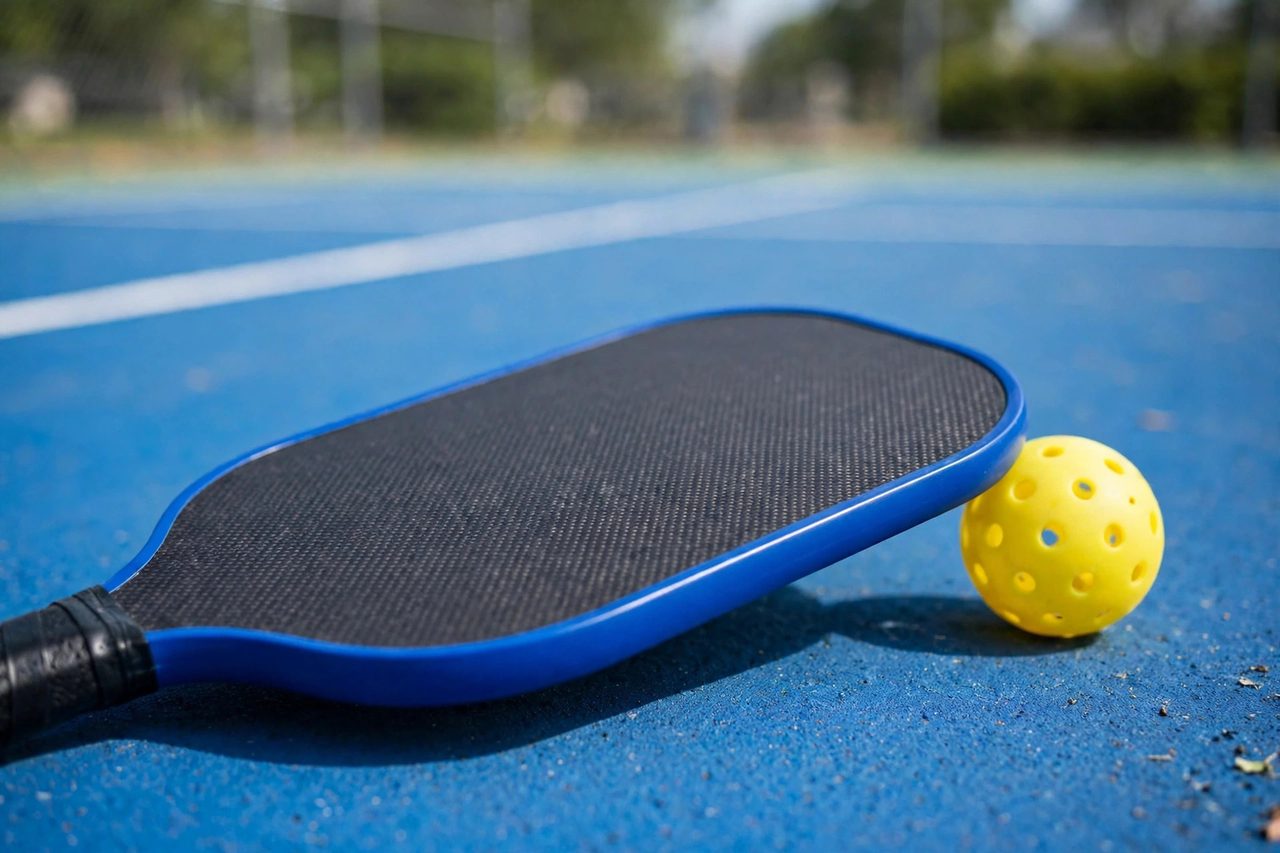
JOOLA Agassi Pro 16mm review: Agassi's racquet, built for tennis converts
Elongated 16.5 by 7.5 inches, 8.1 oz, 16 mm Propulsion Core with TechFlex Power and a textured carbon face — the JOOLA Agassi Pro 16mm is Andre Agassi's signature pickleball paddle, and it plays like it was made for players coming from tennis.
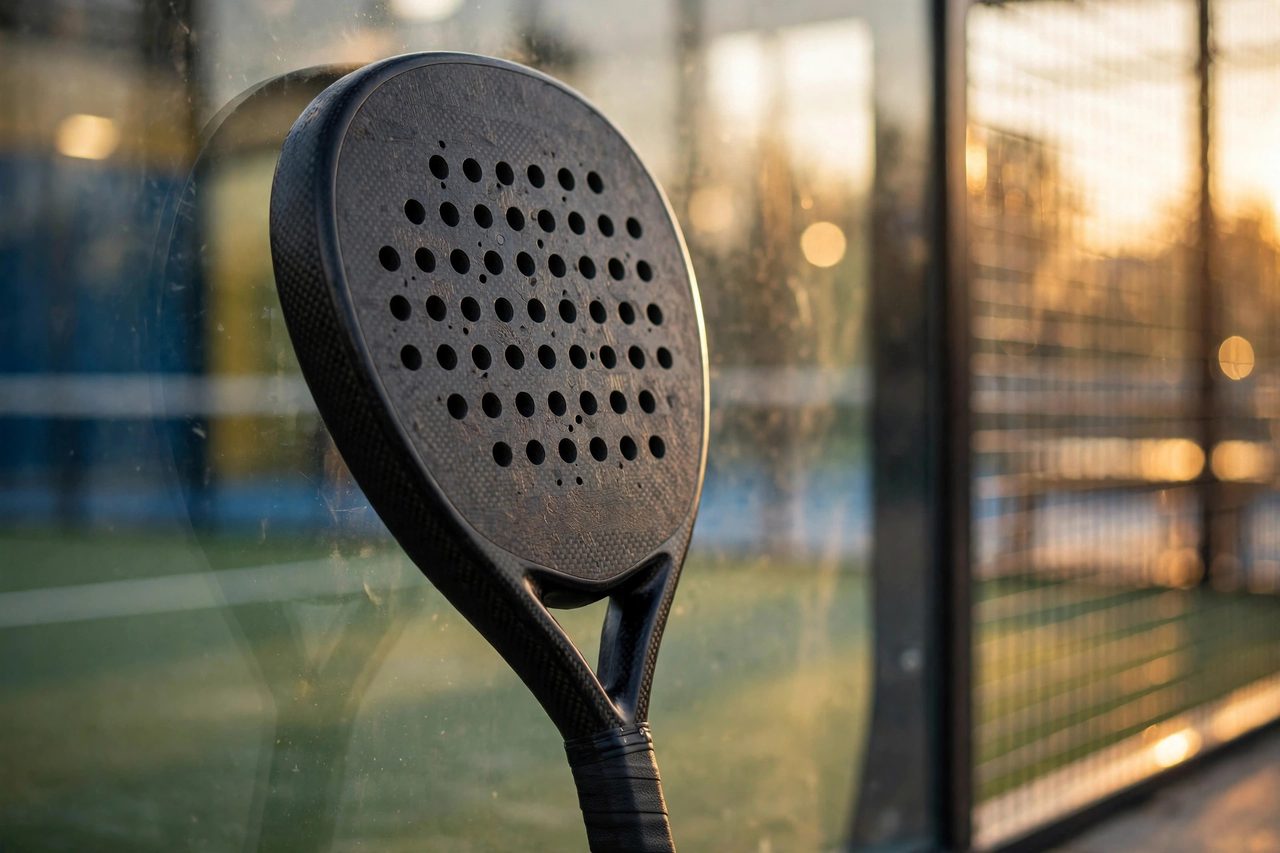
NOX AT10 Genius 18K 2025 review: Tapia's racquet, built for control
Teardrop shape, 360-375g, 18K Alum carbon face and MLD Black EVA core — the NOX AT10 Genius 18K 2025 is Agustín Tapia's signature racquet, and it plays like a precision tool for advanced players.
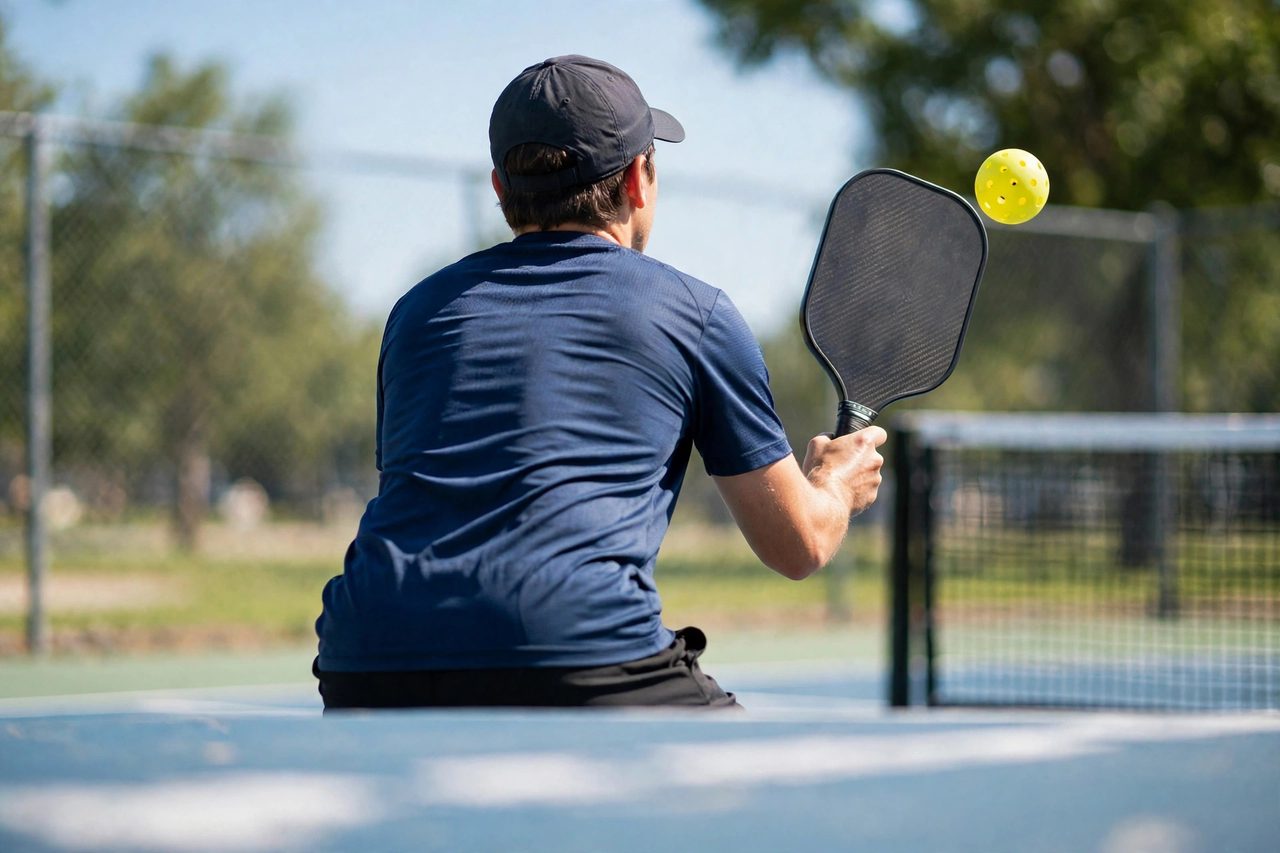
CRBN 3X Power Series Review: Big Sweet Spot, Real Power, Honest Trade-Offs
The CRBN 3X Power Series (now the X Series 3X) pairs a wide elongated shape with a gritty carbon face and foam-reinforced edges. Here is what its specs mean on court, and how to pick between 14 mm and 16 mm.