
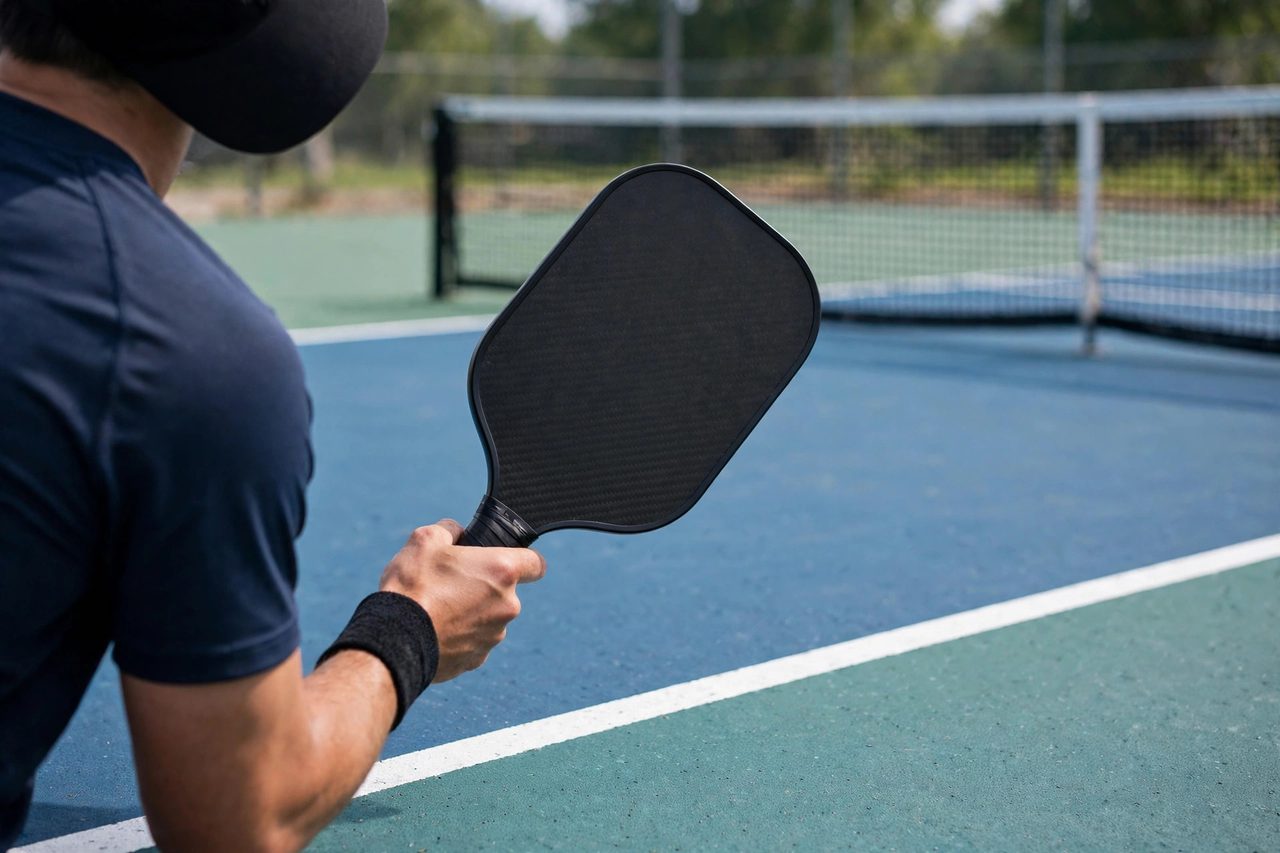
Every sport has a product that becomes the measuring stick. In pickleball, for control players, that product is the Six Zero Double Black Diamond — the DBD for short. It is the paddle that built the Australian brand’s global reputation, and years after its release it is still the first name that comes up when players ask for a paddle that prizes touch over power.
This review looks at what the DBD actually is, what it does well, where it falls short, and who should buy it.
What it is
A pickleball paddle is the flat bat you hit the ball with — smaller and lighter than a tennis racquet, with a solid face instead of strings. The DBD comes in two core thicknesses: 16mm and 14mm. The core is the inside of the paddle, a honeycomb plastic layer sandwiched between the two faces. Thicker cores (16mm) feel softer and more forgiving. Thinner cores (14mm) feel firmer and give the ball more pop.
Both versions share the same build. The face is Toray T700 raw carbon fibre — a rough, uncoated carbon surface that grips the ball and creates spin. The paddle is thermoformed, which means it is moulded as one piece under heat and pressure, with a foam-injected edge around the rim. That construction is called Carbon Fusion Edge, and it is a big part of why the DBD feels so solid.
The headline specs: 16.3 inches long and 7.7 inches wide, an elongated hybrid shape that gives extra reach without feeling like a plank. Around 8.1 ounces in weight. A 5.3 to 5.5-inch handle, long enough for a two-handed backhand. A 4.25-inch grip, the standard medium size. It is approved by USA Pickleball, the sport’s governing body in the United States, so it is legal for sanctioned tournaments. Expect to pay around $190 to $220, depending on the version and the retailer.
Where it wins: the soft game
The kitchen is the 7-foot zone on either side of the net where you are not allowed to hit the ball out of the air. It is where most pickleball points are decided, in slow, soft exchanges called dinks — short shots that just clear the net and drop at your opponent’s feet.
This is where the DBD earns its reputation. The 16mm version in particular has a soft, plush feel that most thermoformed paddles do not. The ball stays on the face a fraction longer, which gives you more control on dinks, drops and resets. A reset is a defensive block against a hard-hit ball, played soft enough to drop back into the kitchen instead of popping up for an easy put-away. Testers consistently praise the DBD for resets: balls that should pop up instead die quietly into the kitchen.
The raw carbon face is the other half of the story. Its rough texture grabs the ball, so spin serves, topspin drives and slice drops all come off with more bite than a smooth-faced paddle gives you. If your game is built on placement and spin rather than raw pace, this is the paddle’s sweet spot — literally. The sweet spot is the area of the face that gives a clean, powerful response, and the DBD’s is generous for a control paddle.
Where it loses: outright power
Honesty matters here. The 16mm DBD is not a power paddle, and it does not pretend to be. The same soft feel that wins you the kitchen absorbs some of the energy you want on a hard drive from the baseline. You can still hit with pace if you swing fully, but against the 14mm version the difference on flat drives is noticeable. The 14mm springs more off the face and pops harder — but forgiveness drops with it. Mishits, shots struck away from the centre of the face, are punished more.
The DBD also needs a break-in period. Several testers report that the paddle only starts to feel its best after five or more hours of play, as the thermoformed build settles. That is normal for this kind of paddle, but it means your first session will not be the full experience.
Who should buy it
Buy the 16mm if you are an intermediate to advanced all-court player — roughly a 3.0 to 4.5 skill rating — who values precision, spin and soft-game control over power. It suits doubles players who live at the kitchen, players who reset well, and anyone who wants one paddle that does everything reliably without chasing the latest foam-core trend.
Buy the 14mm if you want the same control DNA with more pop, and you are confident enough in your contact to trade some forgiveness for it.
Look elsewhere if you are a beginner still learning basic control, a power-first singles player who wants maximum pace, or someone who wants the lightest, fastest paddle on the market. The DBD is balanced, not featherweight, and its swing weight of around 113 to 114 puts it in the middle of the pack for hand speed.
The verdict
The Double Black Diamond is not the newest paddle, the most powerful, or the cheapest. It is the benchmark. It does the quiet things — dinks, drops, resets, spin — better than almost anything at its price, and it does them with a build quality that has held up for years. If your pickleball is won at the kitchen rather than from the back of the court, this is still the paddle everything else gets compared to.
Related articles
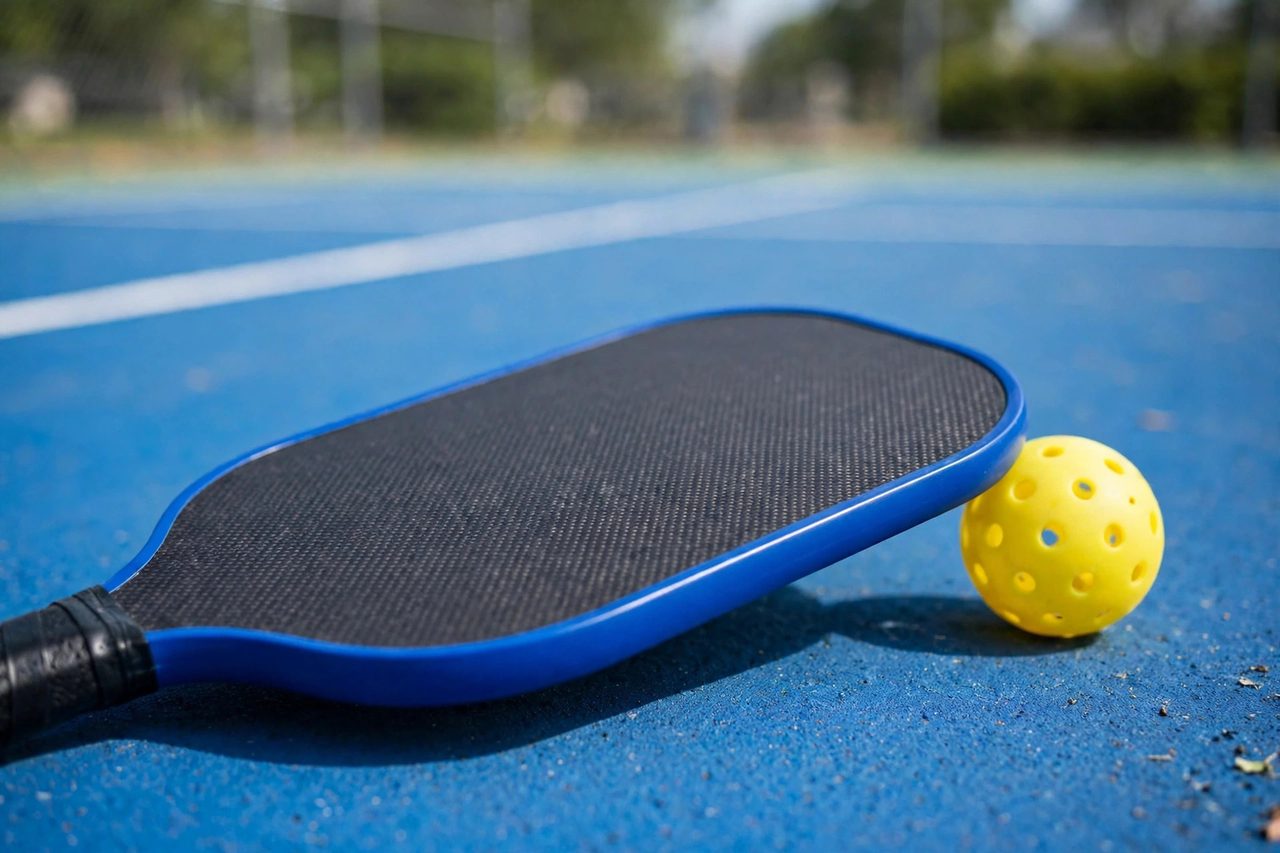
JOOLA Agassi Pro 16mm review: Agassi's racquet, built for tennis converts
Elongated 16.5 by 7.5 inches, 8.1 oz, 16 mm Propulsion Core with TechFlex Power and a textured carbon face — the JOOLA Agassi Pro 16mm is Andre Agassi's signature pickleball paddle, and it plays like it was made for players coming from tennis.
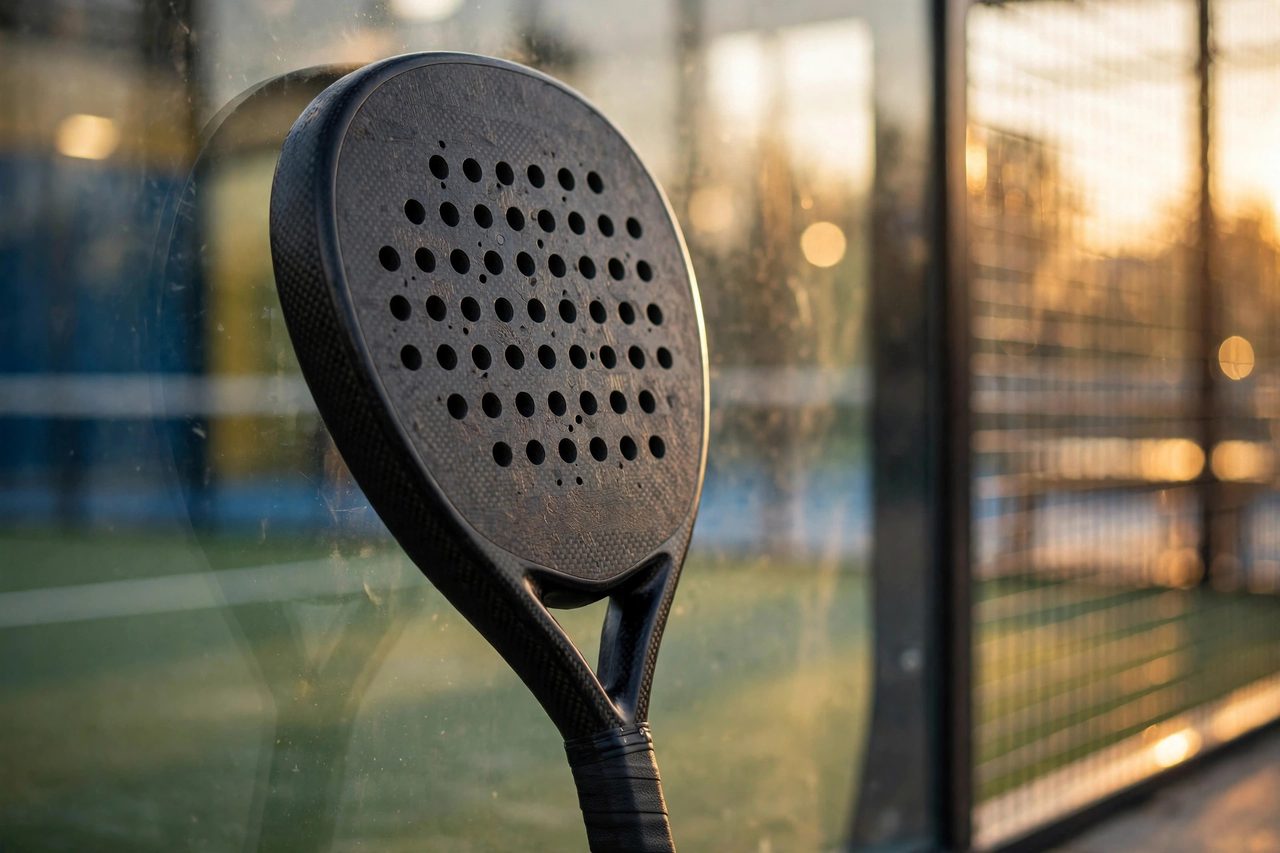
NOX AT10 Genius 18K 2025 review: Tapia's racquet, built for control
Teardrop shape, 360-375g, 18K Alum carbon face and MLD Black EVA core — the NOX AT10 Genius 18K 2025 is Agustín Tapia's signature racquet, and it plays like a precision tool for advanced players.
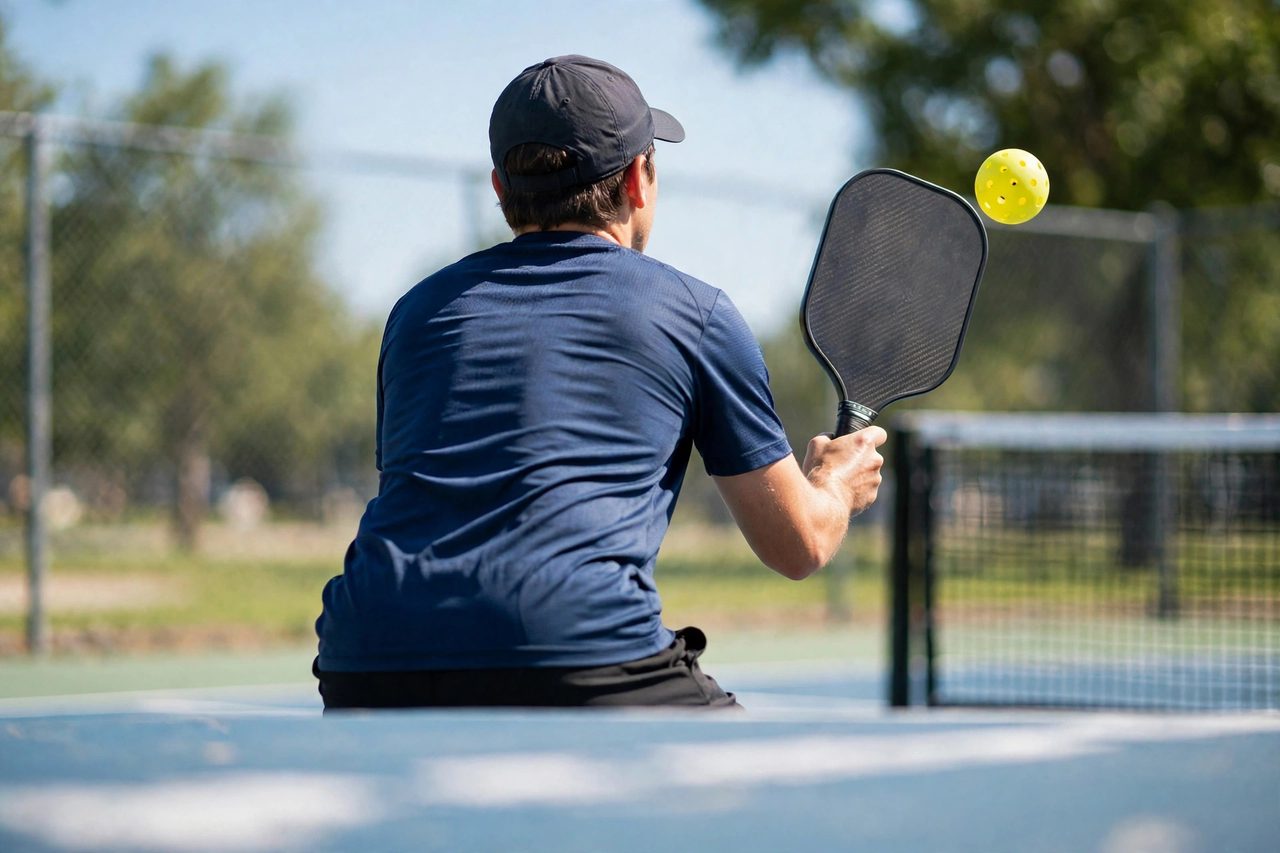
CRBN 3X Power Series Review: Big Sweet Spot, Real Power, Honest Trade-Offs
The CRBN 3X Power Series (now the X Series 3X) pairs a wide elongated shape with a gritty carbon face and foam-reinforced edges. Here is what its specs mean on court, and how to pick between 14 mm and 16 mm.