

Every padel player learns the smash first and the lob last. That is backwards. The lob is the shot that gets you out of trouble, wins you the net, and — played well — turns a defensive position into an attacking one. It is also the shot most club players hit worst: too short, too flat, or at exactly the wrong moment. Here is how to fix it.
Why the lob matters more in padel than in tennis
In tennis, a lob is a defensive rescue. In padel, it is a weapon, because the court is walled. A good lob does three things at once: it pushes both opponents off the net and back toward the glass, it buys you the seconds you need to move forward yourself, and it forces the opponent into the hardest shot in padel — the overhead off the back glass, played while moving backwards.
That last point is the key. An opponent who has to smash while retreating toward the wall is an opponent in trouble. Even the best players in the world would rather volley than hit a bandeja off the glass under pressure. Your lob does not need to be a winner. It needs to make their next shot hard.
The technique: high, deep, and with shape
A good padel lob has height and depth, in that order. Aim to clear your opponents by a comfortable margin — at least a metre over their heads — and land the ball deep, ideally within the last two metres of the court, close to the back glass. A lob that lands short is worse than no lob at all: it sits up for an easy smash.
The mechanics are simple, which is why the shot is so often misplayed:
- Preparation: Get sideways early, racquet back low, and bend your knees. Most bad lobs come from being late, not from bad swings.
- Contact: Hit the ball in front of your body, slightly below waist height, with an open racquet face. Brush up the back of the ball to give it topspin — topspin makes the ball dip after it peaks, which is what keeps it inside the court.
- Follow-through: Finish high, with your racquet pointing up toward the ceiling. A short, choppy follow-through produces a flat ball that flies long or sits short.
- Disguise: Use the same preparation as your drive. If your opponent can read the lob from your backswing, they are already moving back before you hit it.
Practice this against the wall first: stand at the baseline, lob over an imaginary net player, and aim for the ball to bounce within a metre of the back glass. When you can do that ten times in a row, you have a lob.
When to lob — and when not to
Lob when your opponents are both at the net and you are under pressure at the back. Lob when you want to change the rhythm after a long exchange of volleys. Lob after a good defensive get, when your opponents are expecting a low ball and have crept forward.
Do not lob when your opponents are already back — there is nothing to gain. Do not lob into a strong wind that will hold the ball up for a smash. And do not lob from inside the court off a high ball: if the ball is above net height and you are in a good position, attack it instead. The lob is a tool for the player under pressure, not for the player in control.
The advanced version: the lob as an attack
At higher levels, the lob becomes a first-strike weapon. A deep, heavy topspin lob played just after your opponents have committed to the net can win the point outright — either because it lands beyond them, or because their retreating smash goes into the net or off the glass. The best lobbers in the world, like Gemma Triay, use the lob to dictate: they push opponents back, take the net themselves, and finish the point from the position their lob created.
That is the mental shift to make. Stop thinking of the lob as the shot you hit when you have nothing else. Start thinking of it as the shot that moves the whole court — theirs back, yours forward. Hit it high, hit it deep, and watch what it does to the point.
Related articles
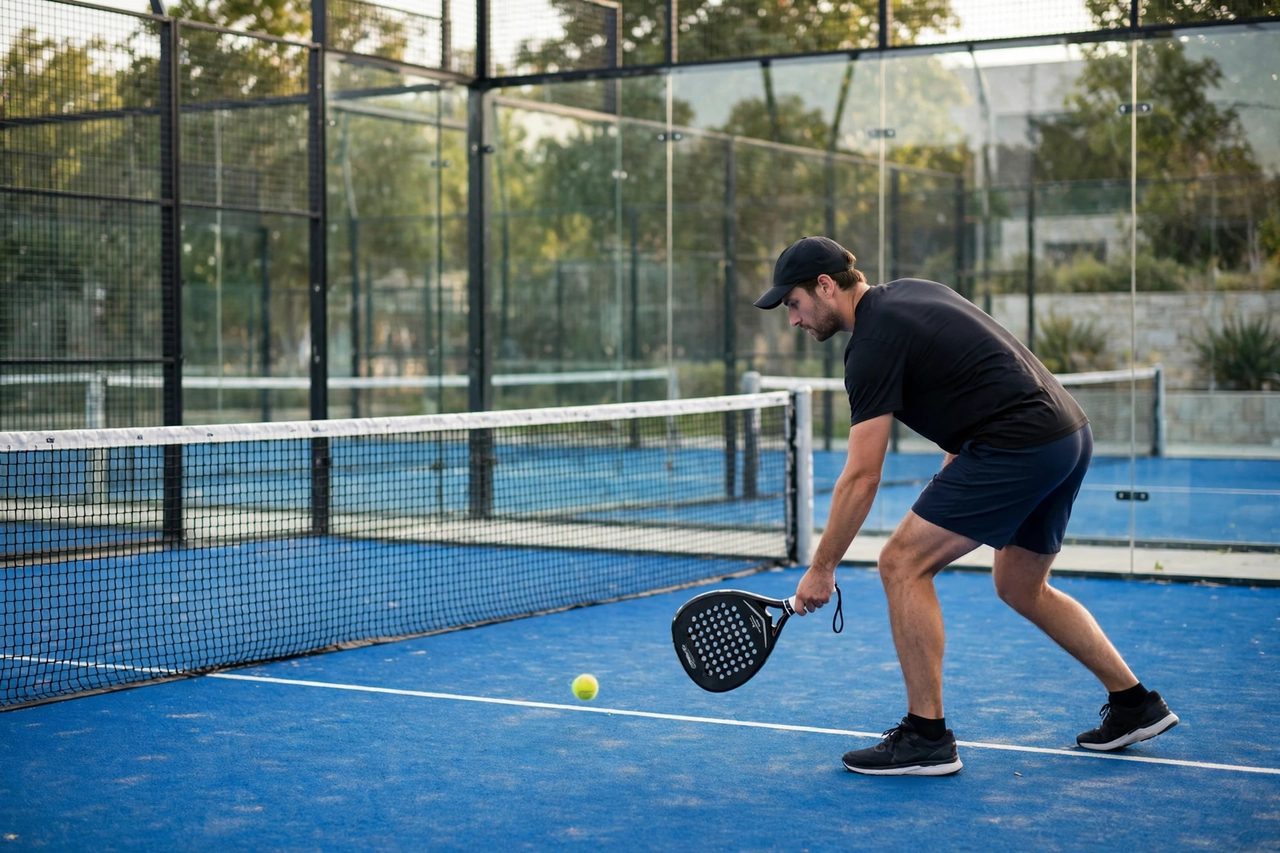
The Padel Serve: How to Start Every Point Underarm, Step by Step
In padel, the serve starts the rally — it doesn't end it. The rules, the technique step by step, and three easy drills to make your serve steady and smart.
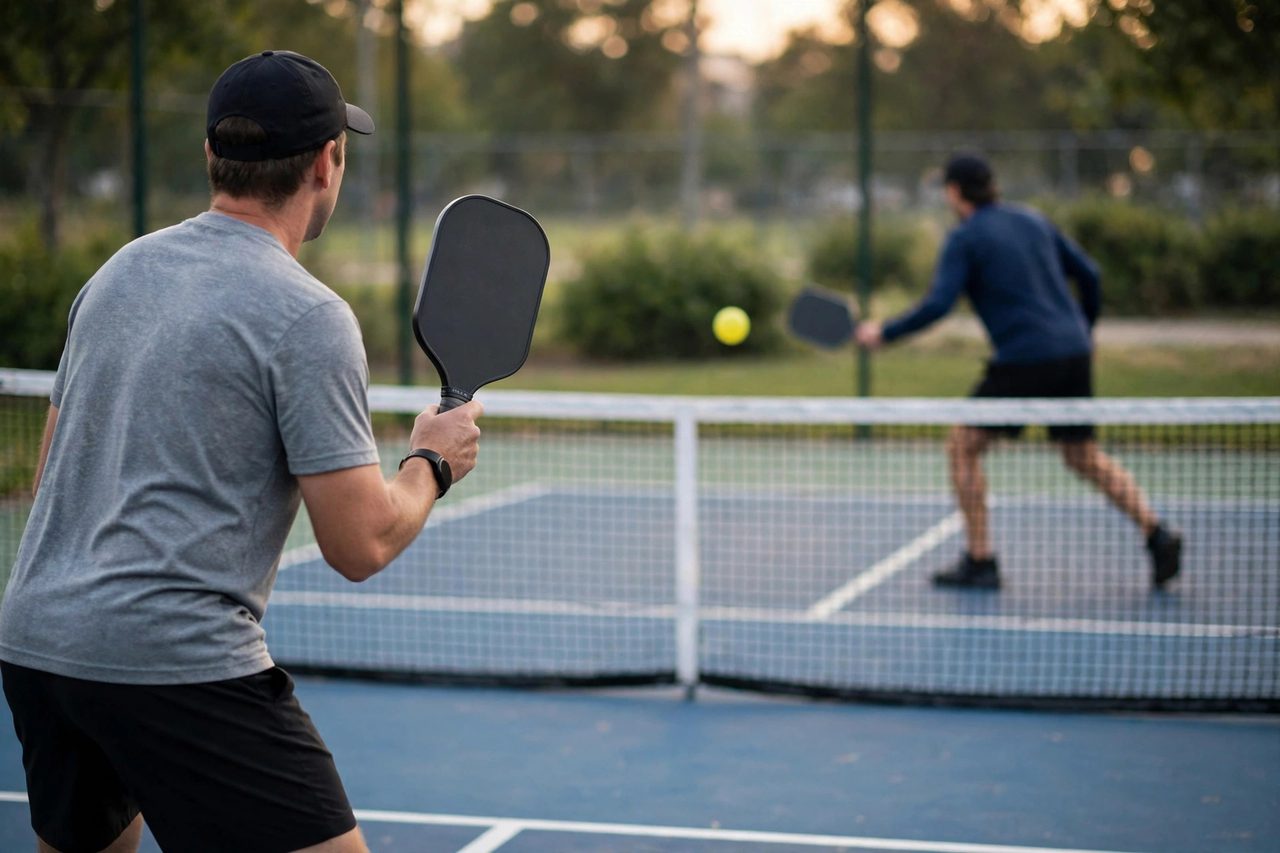
The reset: how to turn a hard ball into a soft one, step by step
When your opponent fires a hard ball at you at the net, the reset is your answer. A simple step-by-step guide to soft hands, paddle angle, and where to aim.
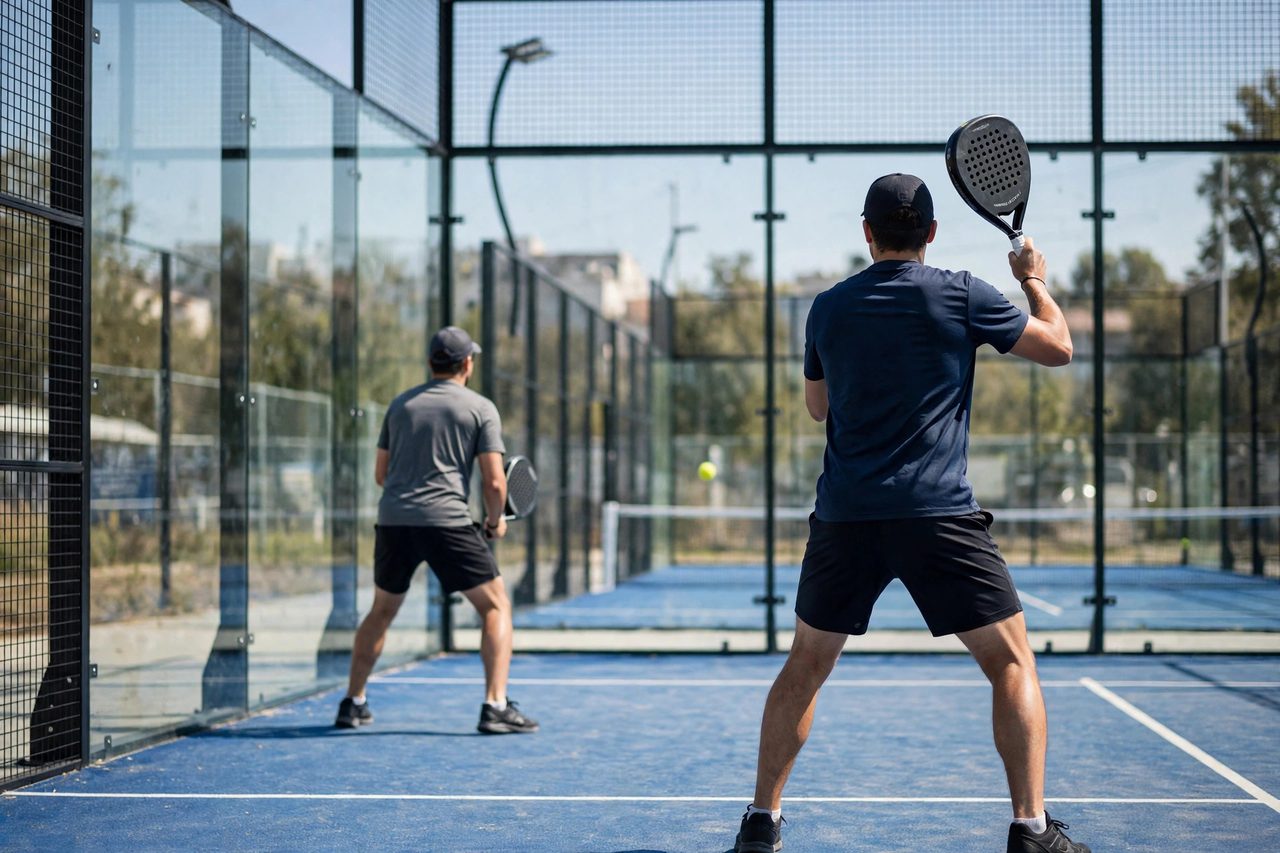
Playing Off the Glass: How to Use Padel's Walls, Step by Step
The glass walls are not the enemy. Learn how the ball comes off the back and side walls, when to let it bounce, and simple drills to build your confidence.