

Padel has one shot that looks like magic the first time you see it. A ball flies past you, hits the back wall, and instead of panicking, the player calmly lets it bounce off the glass, steps into it, and smashes it back. That shot is the salida de pared. In Spanish, salida means exit, and pared means wall, so the name literally means “exit off the wall”: you use the wall to get yourself out of trouble.
To understand it, you need one basic fact about padel. A padel court is surrounded by walls and glass panels, and the ball is allowed to bounce off them and stay in play. The back wall is the wall behind you, at your end of the court. When your opponents hit a lob — a lob is a high, soft shot that arcs over your head toward the back of the court — the ball will often hit that back wall and come back toward you. Most beginners treat that as a disaster. Good players treat it as an invitation.
Step 1: read the lob early
The salida starts before the ball reaches the wall. As soon as you see a high ball going over your head, turn sideways and move back toward the wall. Do not run backwards facing the net: turn your body so you can move quickly and safely, and keep your eyes on the ball. You want to arrive near the wall with time to spare, not in a sprint at the last second. And here is the rule that shapes the whole shot: in padel, you must hit the ball before it bounces a second time on the ground. After it comes off the wall, it will bounce on the ground once, and that is your moment. If you miss that moment, the point is gone. So if you are late, do not swing wildly — get out of the way, reset, and choose a simpler defensive shot next time.
Step 2: let the ball come off the wall
This is the hardest part to learn, because it feels wrong. Stand a couple of steps in front of the back wall, racquet ready, and wait. The ball hits the glass, drops, and bounces on the ground. Your job is to watch the angle: a ball that hits the wall straight on comes back fairly straight, while a ball that hits at an angle comes off at an angle. Glass is predictable if you watch it, and after a few practice sessions you will start to read it like a second bounce.
Do not stand too close to the wall. If you crowd it, the ball will jam you — it will arrive at your body before you have room to swing. Two or three steps of space is about right for most players. You can adjust with experience, but start with room.
Step 3: move into the ball and hit it on the way up
Here is the key move. As the ball bounces up off the ground after leaving the wall, step forward into it and hit it while it is still rising, or just after it reaches its highest point. Hitting on the rise means meeting the ball early, before it drops back down, and it gives your shot pace without a huge swing. Keep your swing short and compact. You are not trying to smash the ball through the court. You are trying to send it back deep, over the net, and ideally toward your opponents’ feet or into the space they just left.
Aim for depth first, not power. A deep shot is one that lands near the back of your opponents’ side, pushing them away from the net. If your salida lands deep, you have turned defence into attack: your opponents lobbed you to push you back, and you have answered by pushing them back instead. That is the whole point of the shot.
Step 4: recover to the net
A good salida does not end with the hit. The moment you strike the ball, move forward again toward the net. In padel, the net is where points are won, because standing close to it lets you cut off shots and finish points. Your opponents are now the ones scrambling back after your deep reply, so take the space they gave up. If you stay stuck near the back wall admiring your shot, you waste everything you just earned.
Common mistakes, and how to fix them
The first mistake is swinging too hard. The wall gives the ball energy already, so a big swing usually sends it long or into the net. Shorten your swing and trust the bounce. The second mistake is standing still and waiting for the ball to come to you. You need to step into it — the shot works because you meet the ball, not because you reach for it. The third mistake is trying the salida on every lob. If the lob is very high and lands deep near the wall, or if you are badly out of position, the smart play is a simple defensive lob back. A lob is a shot, not a duty. Choose your moments.
A simple drill to learn it
Grab a partner and stand at the net while they lob from the other side. Your only job is to move back, let the ball come off the wall, and hit it deep. Do not keep score. Do twenty lobs, then swap roles. After a few sessions, you will notice the fear going away: the wall stops being a threat and starts being a tool. That is the moment the salida de pared clicks.
Padel rewards players who use the whole court, walls included. The salida de pared is the clearest proof of that. Learn it slowly, one step at a time, and the shot that once scared you will become one of your favourites.
Related articles
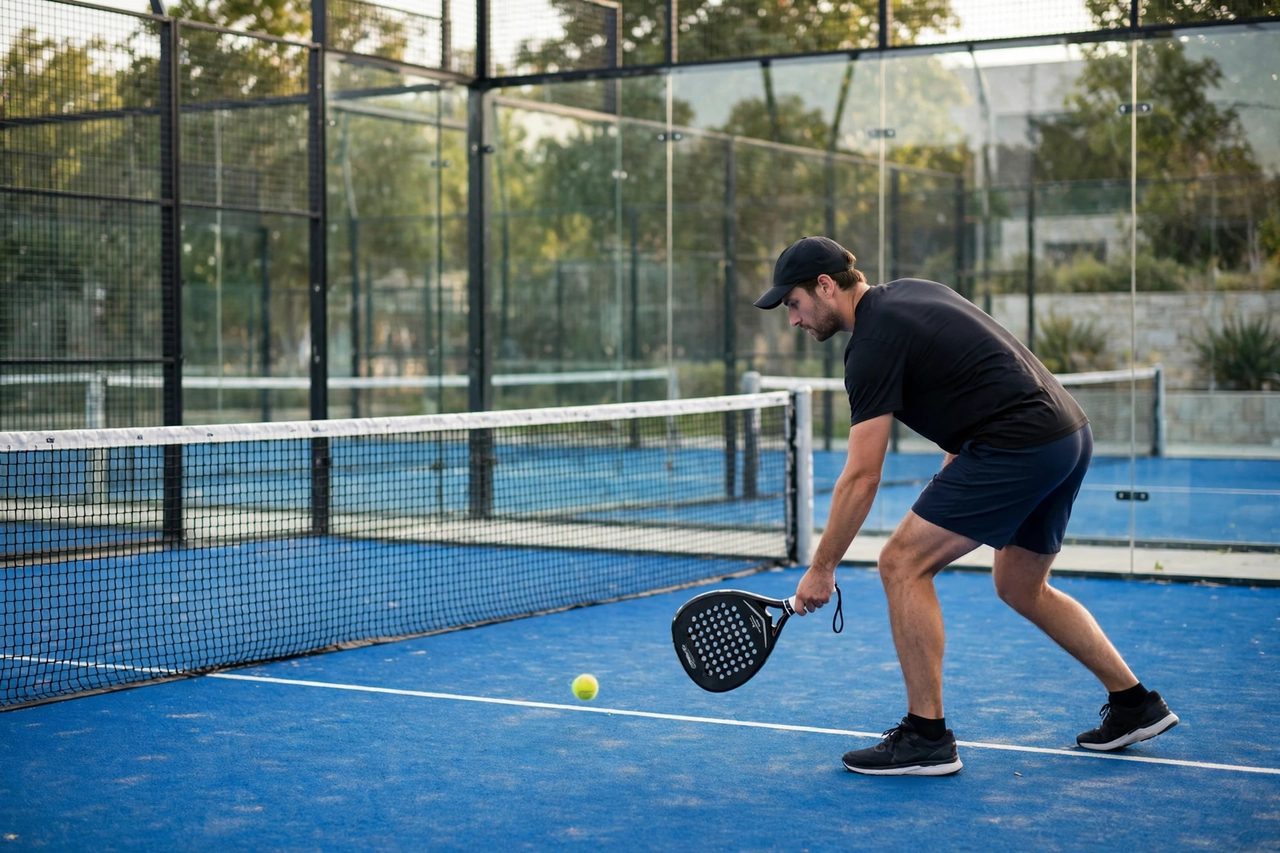
The Padel Serve: How to Start Every Point Underarm, Step by Step
In padel, the serve starts the rally — it doesn't end it. The rules, the technique step by step, and three easy drills to make your serve steady and smart.
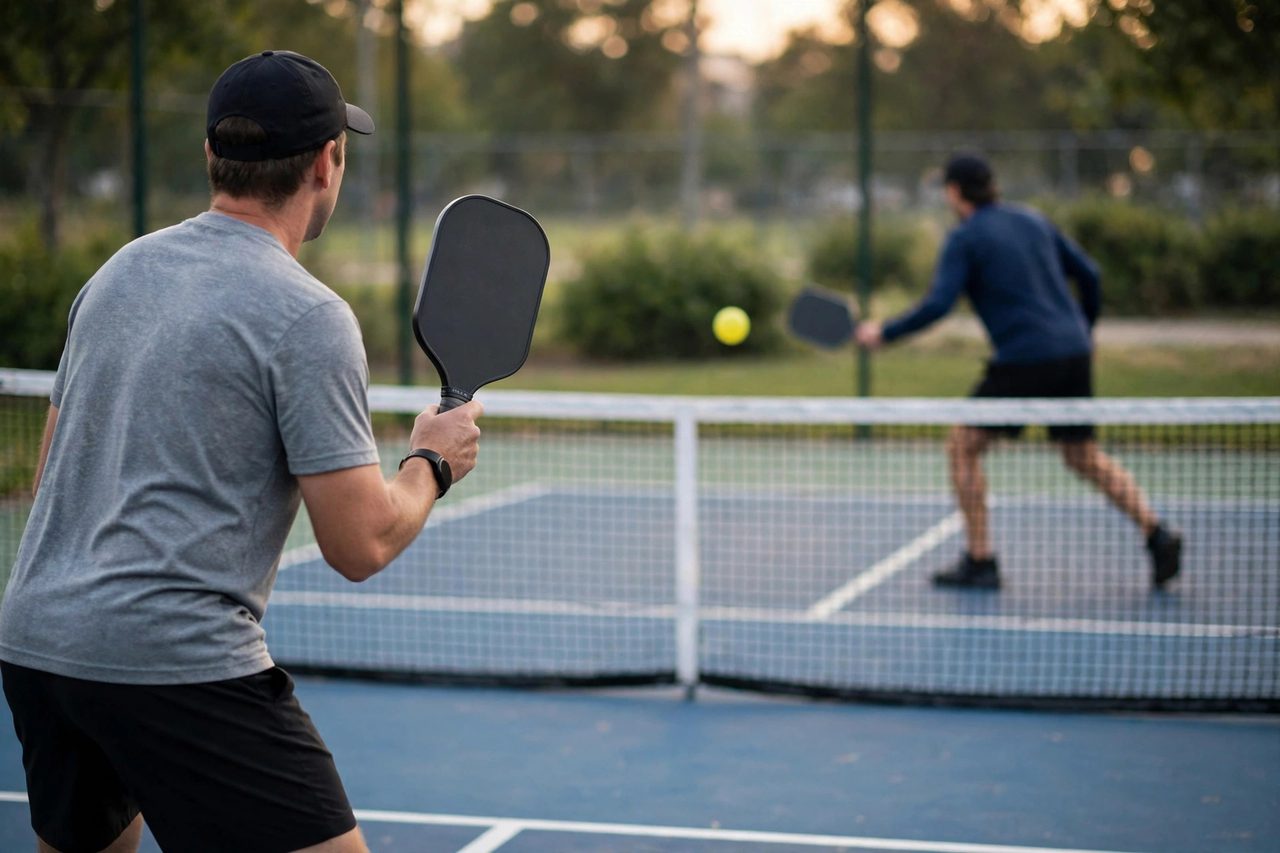
The reset: how to turn a hard ball into a soft one, step by step
When your opponent fires a hard ball at you at the net, the reset is your answer. A simple step-by-step guide to soft hands, paddle angle, and where to aim.
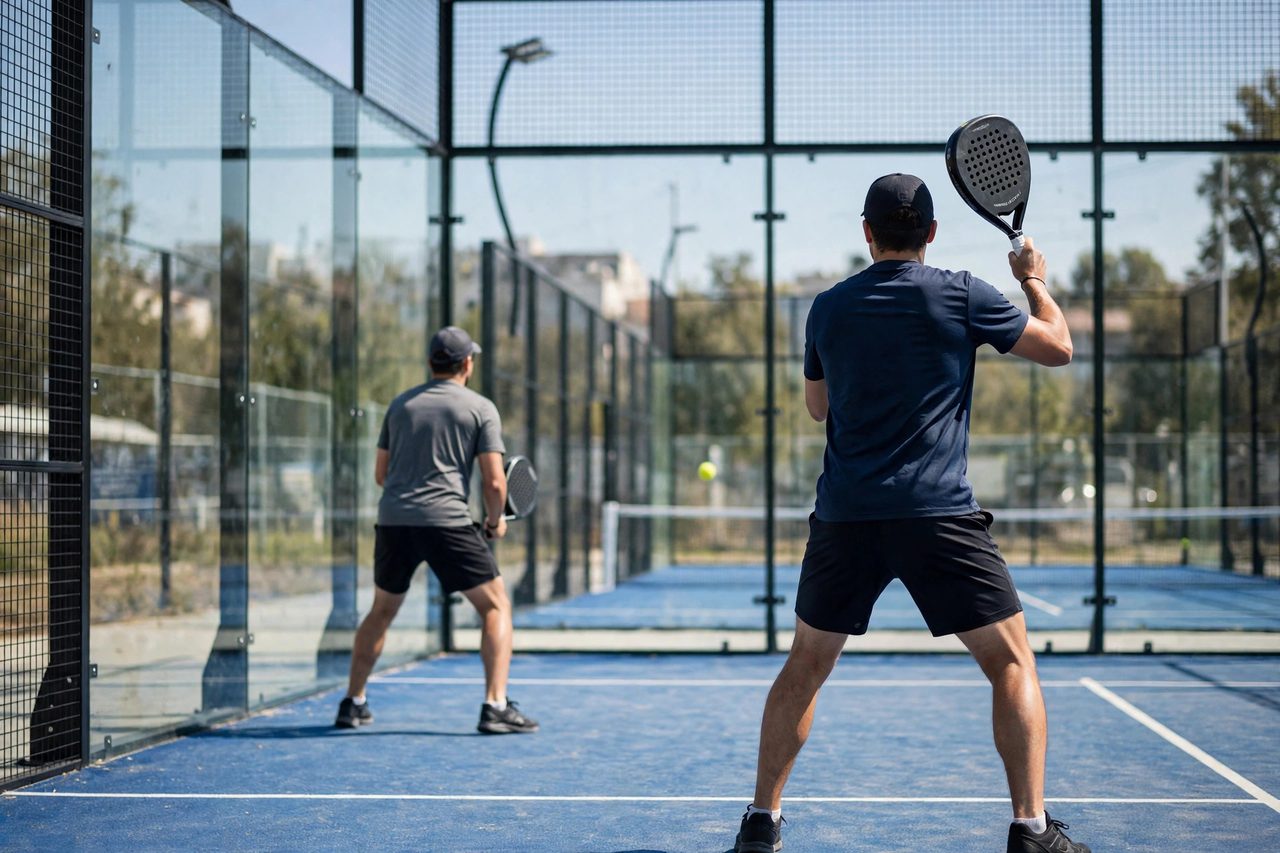
Playing Off the Glass: How to Use Padel's Walls, Step by Step
The glass walls are not the enemy. Learn how the ball comes off the back and side walls, when to let it bounce, and simple drills to build your confidence.