
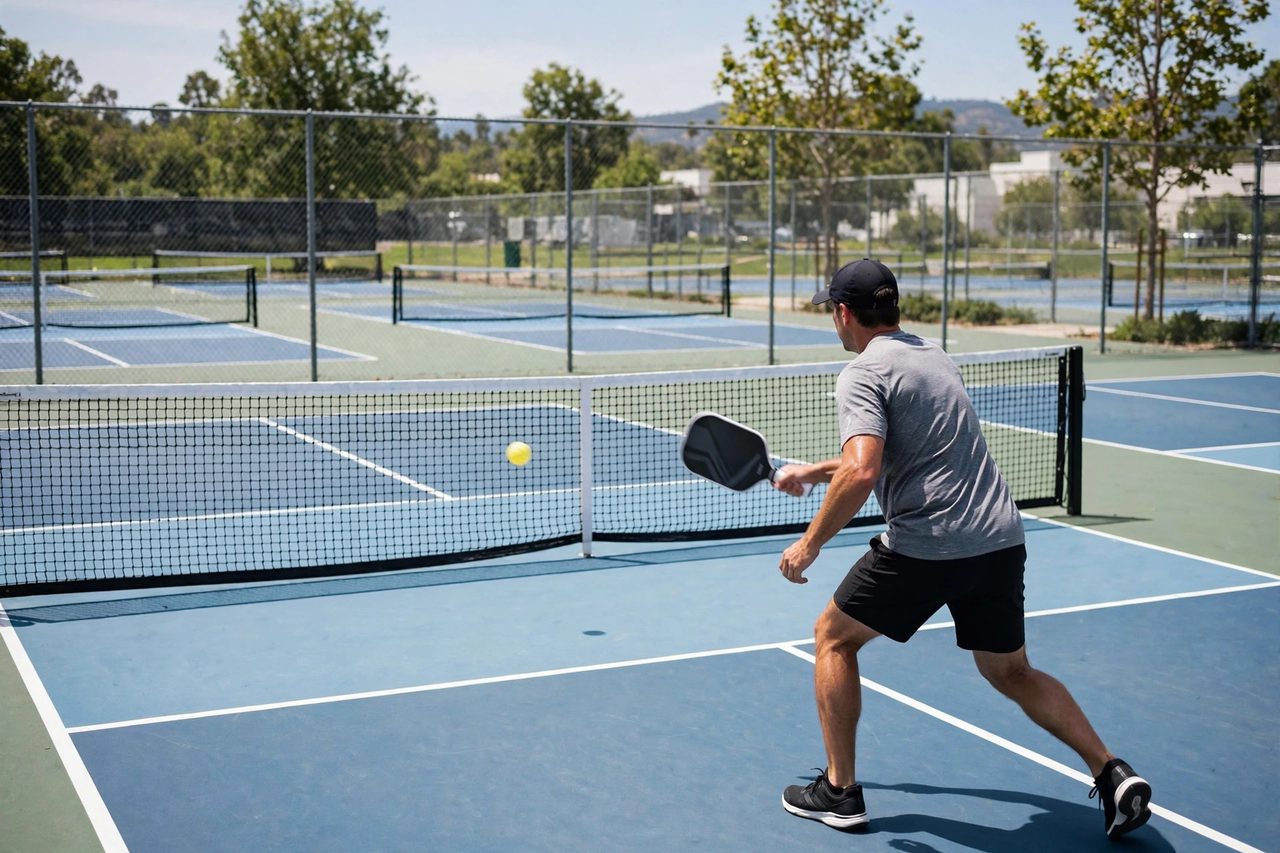
Pickleball has a simple strategic truth: the team at the net usually wins the point. The serve starts you at the baseline, the return keeps you there — and the third shot is your ticket forward. The third-shot drop, a soft arcing shot that lands in the opponent’s kitchen, is the most important shot in the recreational game and a non-negotiable skill for serious players.
Why the drop, not the drive
Beginners want to drive the third shot hard. It feels powerful and looks aggressive. The problem: a driven third shot from the baseline gives opponents an easy volley at the net, and you are still standing at the baseline when it comes back.
The drop changes the geometry. A soft ball that arcs over the net and lands short forces your opponents to hit upward from below the net — they cannot attack it. That buys you the time to move forward and join them at the kitchen line, where the point is actually decided.
The technique, step by step
1. The setup. After the serve, stay back and split-step as your opponent returns. Read the return’s depth early: deep returns push you back, short returns are your invitation.
2. Get low. This is the whole shot. Bend your knees deeply — lower than feels natural. The drop is lifted with the legs, not scooped with the arm. Players who stand upright inevitably hit it too hard or into the net.
3. The swing. Take the paddle back low with a compact motion. Swing upward through the ball in a smooth arc, contacting it out in front of your body. Think “lift and carry” — you are lofting the ball over the net with soft hands, not punching it.
4. The trajectory. Aim for an arc that peaks above the net and drops into the kitchen, ideally landing within a few feet of the net. The perfect drop is unattackable: too low to volley aggressively, too short to drive.
5. Move in. Hit the drop and immediately move forward behind it. The shot and the approach are one action — a beautiful drop means nothing if you admire it from the baseline.
Reading the situation
Not every third shot should be a drop. The modern game has evolved: against a short, attackable return, the drive (or the hybrid “drop-drive”) is the right play. The rule: drop when the return is deep and you need time; drive when the return sits up and begs to be punished.
As a default, though, the drop is the percentage play — especially while you are learning. Pros hit it constantly. There is no shame in the soft game; the shame is in losing from the baseline.
Common mistakes
- Hitting too hard: the number-one error. If your drops are sailing long, swing softer, not shorter.
- Standing too tall: no knee bend, no touch. Get down.
- Dropping from too far back: if the return pushed you behind the baseline, a drop is low-percentage. Reset deep and try again.
- Admiring the shot: hit and move. Every time.
The drill that builds it
Stand at the baseline with a partner at the opposite kitchen line. Have them feed balls to your backhand and forehand alternately. Hit 30 third-shot drops with one goal: land them all in the kitchen. Count your streak. When you can hit 20 in a row, have your partner start volleying them back — now you must drop and move in to play the fifth shot. That sequence — drop, move, fifth ball — is pickleball in miniature.
Related articles
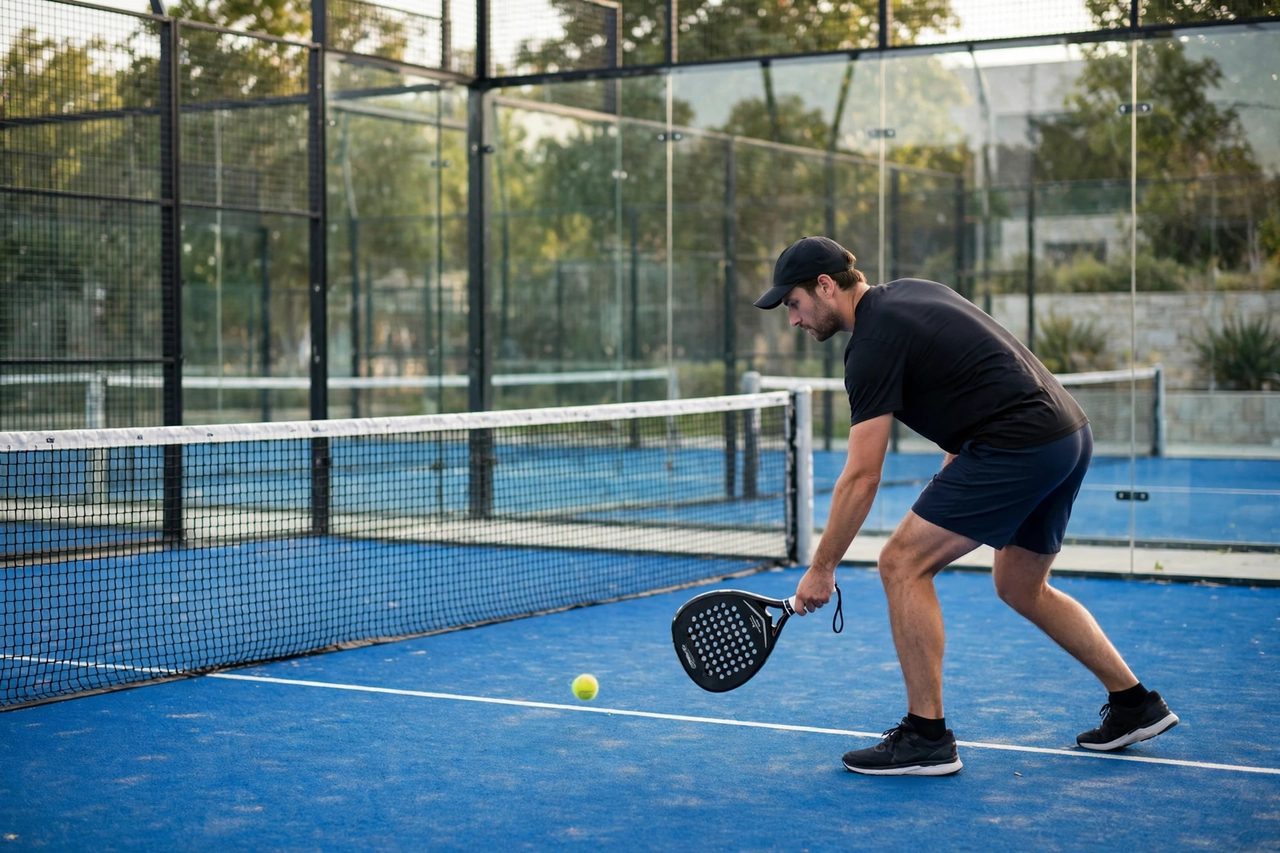
The Padel Serve: How to Start Every Point Underarm, Step by Step
In padel, the serve starts the rally — it doesn't end it. The rules, the technique step by step, and three easy drills to make your serve steady and smart.
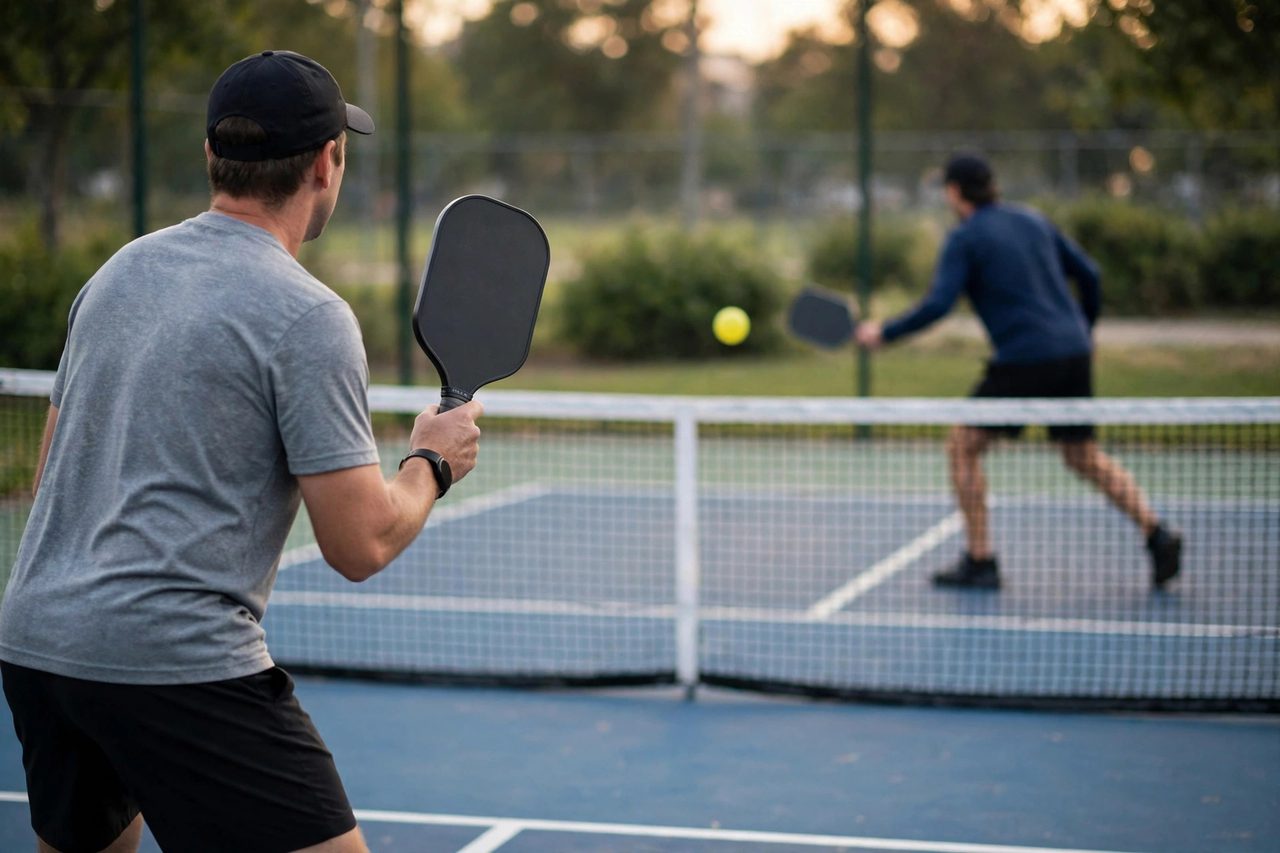
The reset: how to turn a hard ball into a soft one, step by step
When your opponent fires a hard ball at you at the net, the reset is your answer. A simple step-by-step guide to soft hands, paddle angle, and where to aim.
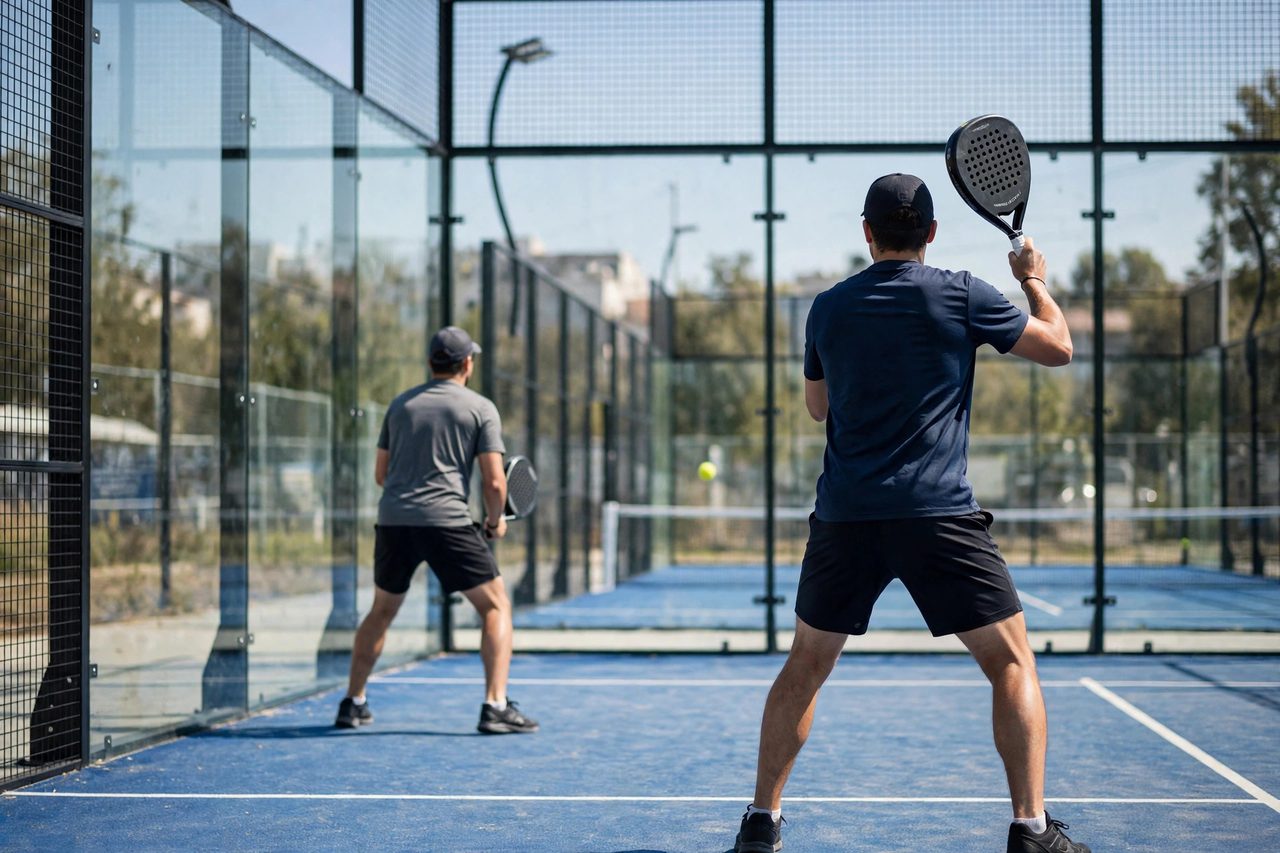
Playing Off the Glass: How to Use Padel's Walls, Step by Step
The glass walls are not the enemy. Learn how the ball comes off the back and side walls, when to let it bounce, and simple drills to build your confidence.