
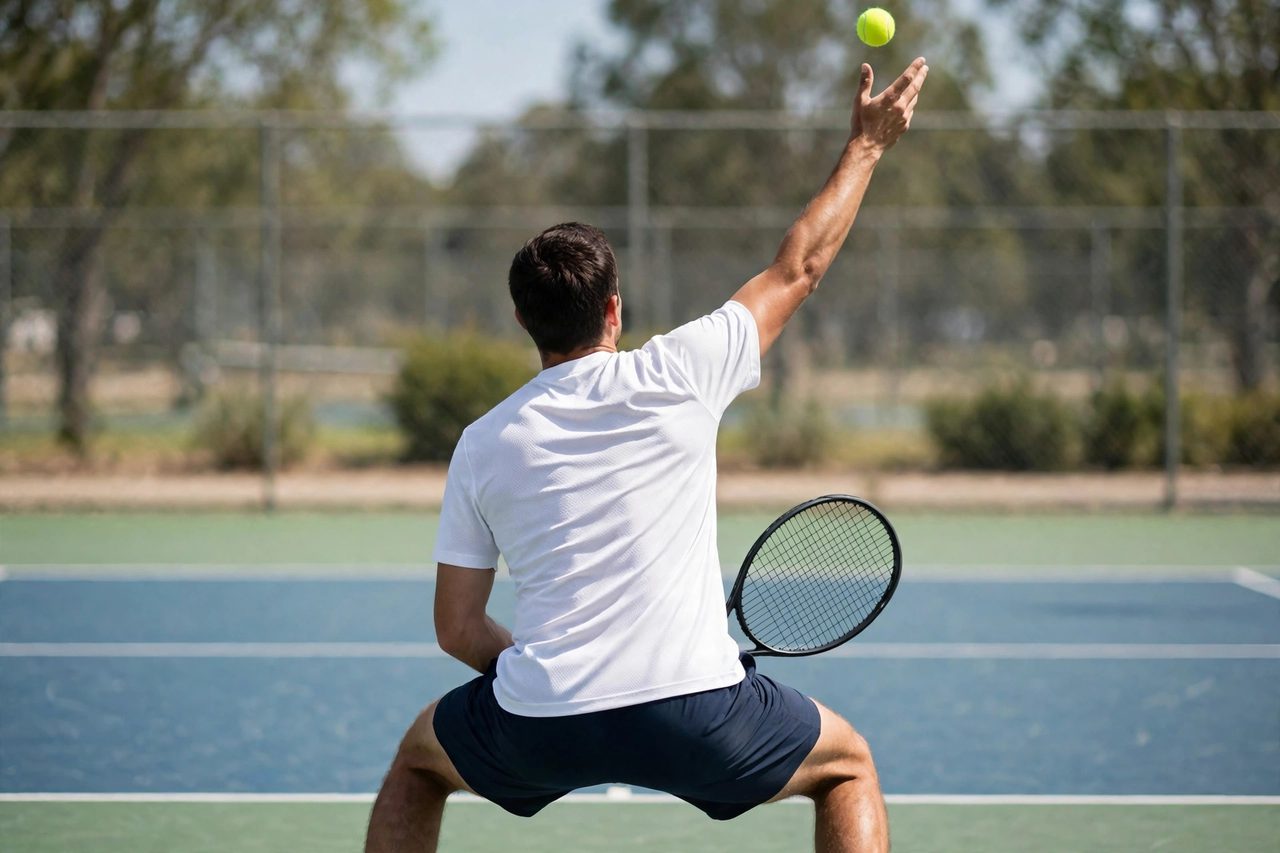
Every club player knows the feeling: second serve, break point down, and the arm that was so free in the warm-up suddenly feels like it belongs to someone else. The kick serve is the antidote. Hit with heavy topspin, it clears the net with feet to spare and then jumps off the court — often above the returner’s shoulder — turning the most stressful shot in tennis into the most reliable one. Here is how to build it.
What the kick serve actually is
A kick serve is a topspin serve. Where a flat first serve is driven through the ball for pace, the kick serve brushes up the back of the ball, imparting topspin that drags it down into the box and then kicks it high off the bounce. It is slower than a flat serve but far safer: the spin lets you aim well clear of the net, and the bounce does the damage instead of the pace. On clay it is devastating; on hard courts it is the standard second serve of every professional on tour.
Step 1: The grip
Use a continental grip — the “hammer” grip, with the base knuckle of your index finger on the top bevel of the handle. Some players shade slightly toward an eastern backhand grip for extra spin, but start continental. If you can see too much of your palm behind the handle, you have drifted toward a forehand grip, and the spin will not happen.
Step 2: The toss
This is where kick serves are won and lost. The toss goes slightly behind your head — over your left shoulder if you are right-handed — and a touch to the left of a flat-serve toss. You should be able to arch your back and look up at the ball without reaching forward for it. A toss that drifts in front of you will produce a flat serve no matter what your swing does; a toss behind you forces the upward brushing motion the kick needs.
Step 3: The trophy position and knee bend
As the ball rises, coil: knees bent, tossing arm extended upward, racquet dropped behind your back in the classic “trophy” shape, chest open to the sky. The kick serve is a whole-body shot. The legs drive up, the hips rotate, and the racquet accelerates from the drop. Players who arm the kick serve get weak spin and sore shoulders; players who drive from the legs get free power and heavy rotation.
Step 4: The swing path — 7 to 1
Imagine the ball as a clock face. For a right-hander, the racquet brushes up the back of the ball from roughly 7 o’clock to 1 o’clock — up and across, finishing out to the right. The feeling is of throwing the racquet up at the ball rather than hitting through it. Contact happens slightly lower than a flat serve, at full extension above and just behind your head. The strings should feel like they are gripping and lifting the ball, not punching it.
Step 5: The follow-through
Let the racquet finish across your body, ending on the opposite side from a flat serve’s follow-through — out to the right (for right-handers) rather than down the left. Your body should land inside the court, chest facing the net. If you are falling backward or sideways, the toss was too far behind you.
Three drills that actually work
The fence drill. Stand a few feet from the back fence and practise the brushing motion without a ball, finishing with the racquet head above the fence. It teaches the upward swing path without the distraction of aiming.
Toss-and-catch. Toss the ball and catch it with your racquet hand at full extension, behind your head. Ten clean catches in a row means your toss is in the right place; fewer means it is not.
Target the backhand. Once you can land kick serves, aim every one at a right-hander’s backhand in the ad court. The high bounce to the one-hander’s shoulder is the kick serve’s whole reason for existing — practise the shot and the tactic together.
The mistakes that kill it
Tossing too far forward. The number one fault. If the ball is in front of you, you cannot brush up the back of it. Move the toss back until it feels wrong, then move it a touch further.
Slowing the racquet down. Players try to “guide” the second serve for safety, which kills the spin that makes it safe. The kick serve needs a fast racquet head; safety comes from spin, not from swinging gently.
Opening the shoulders early. If your chest faces the net before contact, the swing flattens out. Stay sideways, stay coiled, and let the rotation happen after the hit.
When to use it
As a second serve, always — that is its job. But the kick is also a legitimate first-serve variation: wide in the deuce court to drag a returner off the court, or into the body on big points when a double fault would be catastrophic. The best servers in the world hit kickers on first serves more often than amateurs realise.
Build the kick serve and the mathematics of your service games change. First serves can be attacked with freedom, because the second serve is no longer a liability. It is the single highest-leverage shot a club player can learn — and unlike a 120 mph flat serve, it does not require a 120 mph body.
Related articles
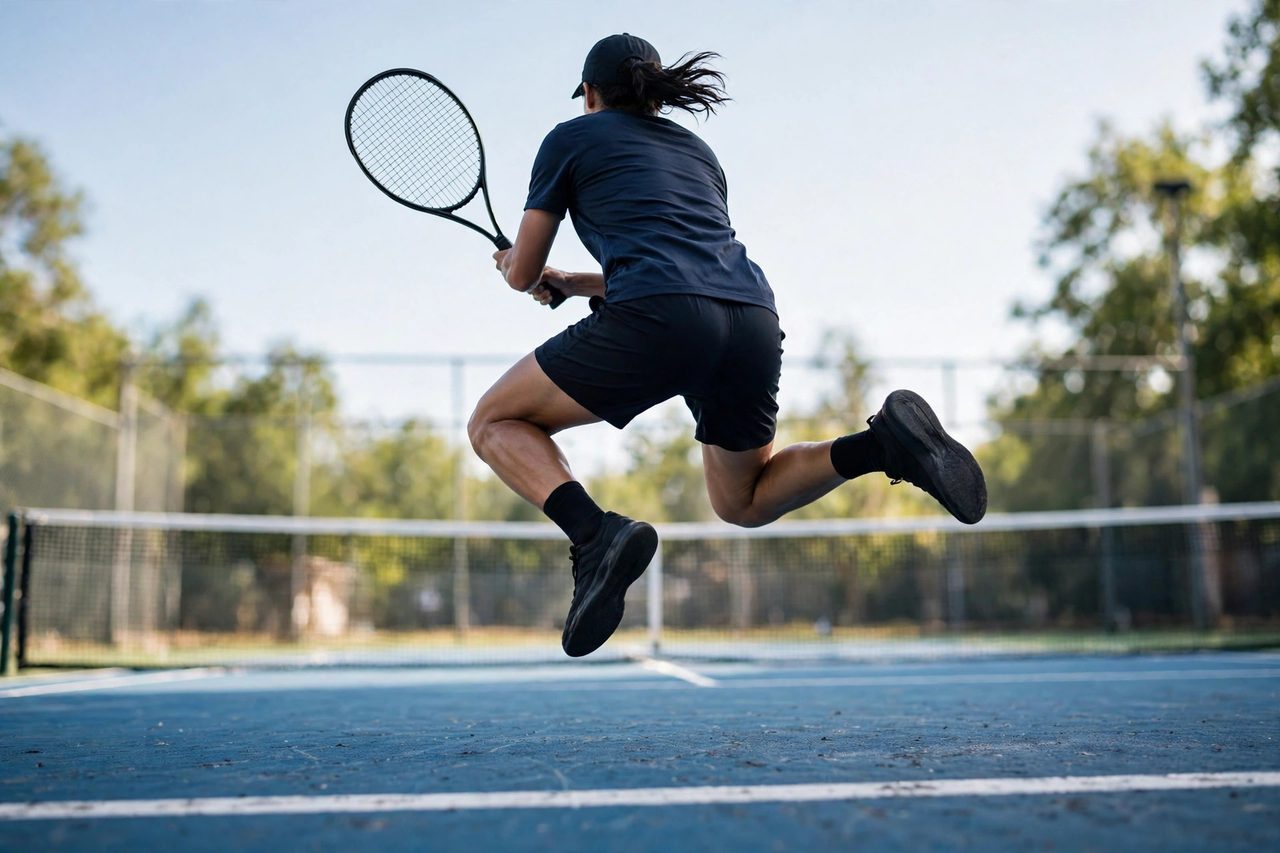
The Split Step: Tennis's Smallest Move That Changes Everything, Step by Step
The split step is a tiny hop you make just as your opponent hits the ball, and it is the reason good players always seem to be in the right place. This guide explains what it is, when to do it, and how to learn it.
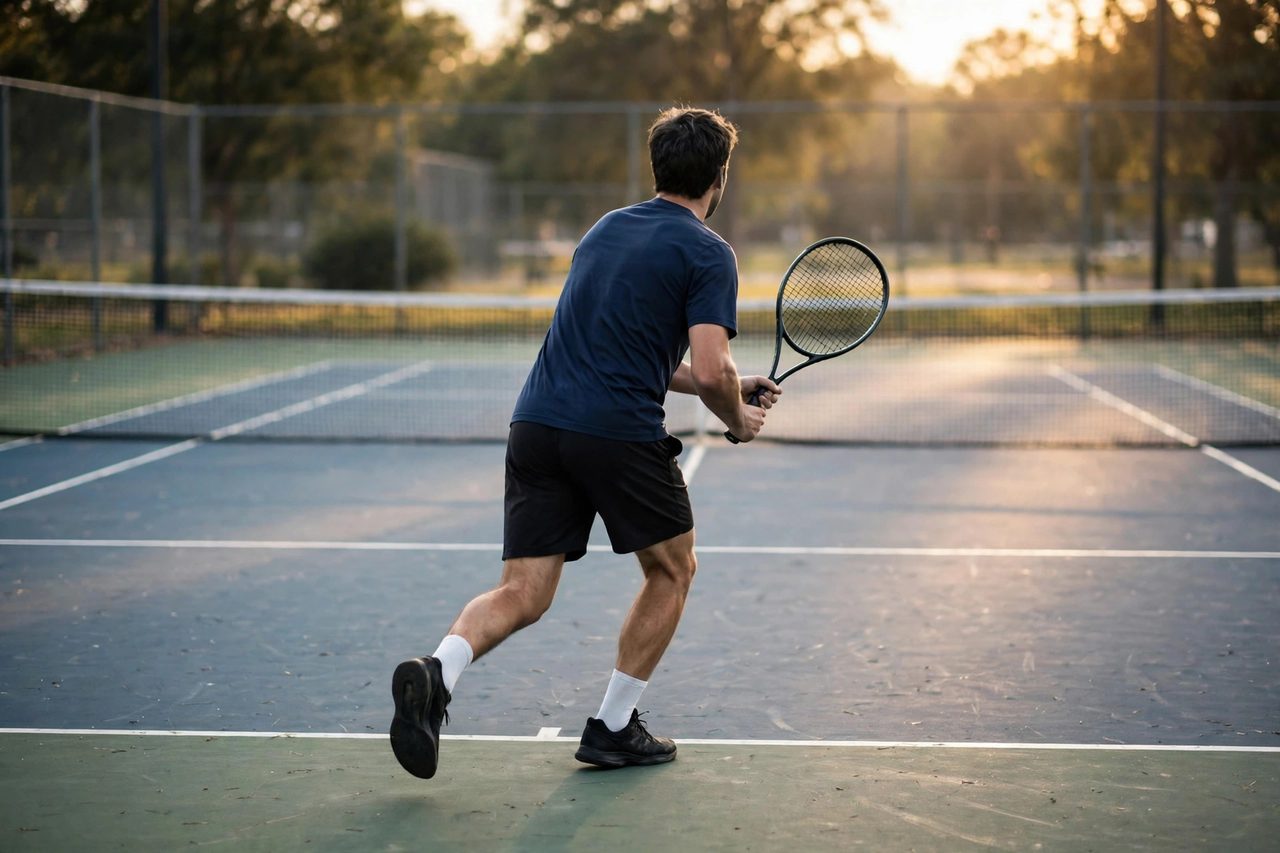
The Approach Shot: How to Come to the Net and Finish the Point, Step by Step
The approach shot is the ball that carries you from the back of the court to the net, so you can finish the point up close. This guide explains when to hit it, how to move, where to aim, and the simple drills that make it work.
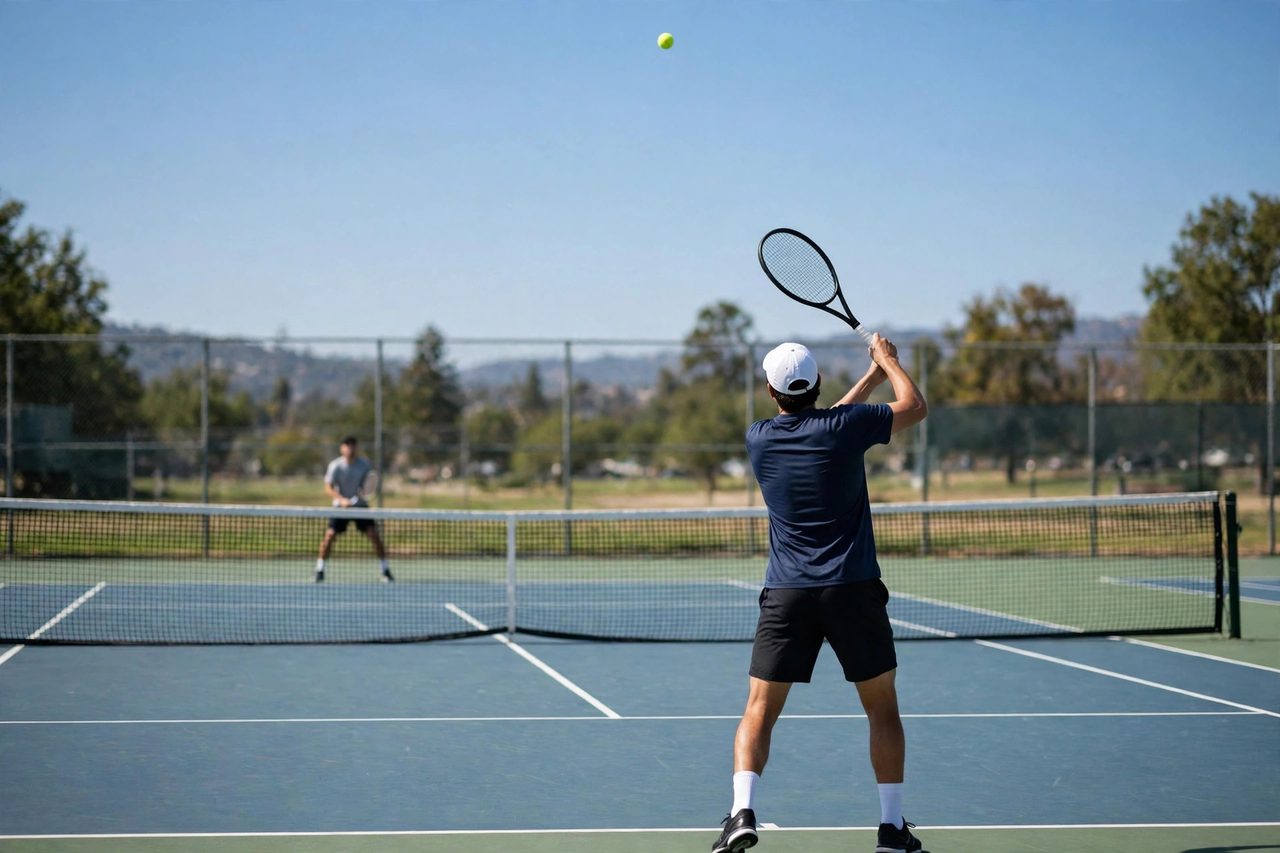
The Lob: Tennis's Rescue Shot, Step by Step
The lob is the high, arcing shot that sails over your opponent's head and buys you time. This guide explains when to use it, how to hit it, and the simple drills that make it reliable.