

The ATP has just approved the biggest pay deal in men’s tennis history — and put its most bitter argument on hold.
The men’s tour announced on Friday, during the ATP Finals in Turin, that it has signed off on measures to lift total player compensation past $350 million a year from 2028. At the same time, it delayed a decision on the controversial doubles proposals that had 137 doubles players signing an open letter of protest last month. That decision is now expected by the end of the year.
The ATP is the body that runs the men’s professional tour. Its OneVision plan is the long-term project to share more of the sport’s money with the players, and this is its next phase.
What the money means
The headline number is $350 million. That is the total the ATP says players will earn across its own events from 2028 — before Grand Slam prize money is even counted. Add the four Grand Slams in, and the ATP projects total player compensation of more than half a billion dollars a year.
The plan is aimed less at the stars at the top than at the players below them. From 2028, the top 100 earners on tour are projected to make at least $1.1 million a year. The top 175 are projected to earn at least $450,000, and the top 250 at least $250,000.
Those are projections, not guarantees. But they matter because tennis has always been a sport where the money drops off fast. A player ranked 150th in the world can spend a season flying around the globe, paying for coaches, hotels and physios, and still finish the year barely in profit. Raising the floor is the point of this deal.
Behind the headline sits more than $100 million of central investment from the ATP itself. The biggest pieces are a $50 million Bonus Pool, a $25 million year-end rankings bonus, and $26 million for player pensions.
The Bonus Pool is the part players will feel first. A bonus pool is extra money paid on top of prize money, shared out according to results. The pool will more than double to $50 million, and the top 30 players will be able to earn from it at every mandatory Masters 1000 event. A Masters 1000 is one of the nine biggest tournaments below the Grand Slams — the events every top player has to play.
There is a small change with a big effect: the old five-event minimum is gone. Until now, a player had to play at least five Masters 1000 events before earning any bonus money. From 2028, players earn from the first event they play. That helps anyone whose season is cut short by injury.
The doubles fight is not over
The pay deal is the good news. The awkward news is what the ATP did not decide.
Last month, the tour’s board was weighing plans to halve the doubles draws at Masters 1000 events — from 32 teams to 16 — and to shift around $20 million in prize money from doubles into singles qualifying and early-round payouts. On October 27, 137 active doubles players, 33 former players and 20 federations signed an open letter to the ATP board opposing the changes. The board was due to discuss the reforms at its year-end meetings in Turin.
On Friday, the ATP said the doubles proposals remain under discussion, with a decision expected by the end of 2026. In other words: no verdict yet, and the players who signed the letter are still waiting.
The tension around the issue has been visible all week in Turin. Doubles world No. 1 Henry Patten publicly criticised the ATP’s leadership for skipping his trophy ceremony, a moment that underlined how strained the relationship has become.
Doubles players have a simple argument: their discipline brings in fans, fills stadiums at the biggest events, and deserves its share of a growing pie. The ATP’s counter-argument, never stated quite so plainly, is that singles drives the money and the calendar is already crowded. Both sides now have a few more weeks to make their case.
What happens next
The 2028 calendar, built around dedicated weeks for each tournament category, is expected to be announced early next year. The ATP also approved ATP Ventures, a new structure that brings its media, data and central sponsorship rights under one roof for the first time — the commercial engine that is supposed to pay for all of this.
None of it changes a single result on court this weekend. The ATP Finals semi-finals are on Saturday, and the final is on Sunday. But for the players watching from the locker room, Friday’s announcement was the week’s biggest result: the tour has agreed to share more of its money, the players ranked outside the top 100 stand to gain the most, and the doubles question — the one that split the sport this autumn — is still to be settled.
Related articles
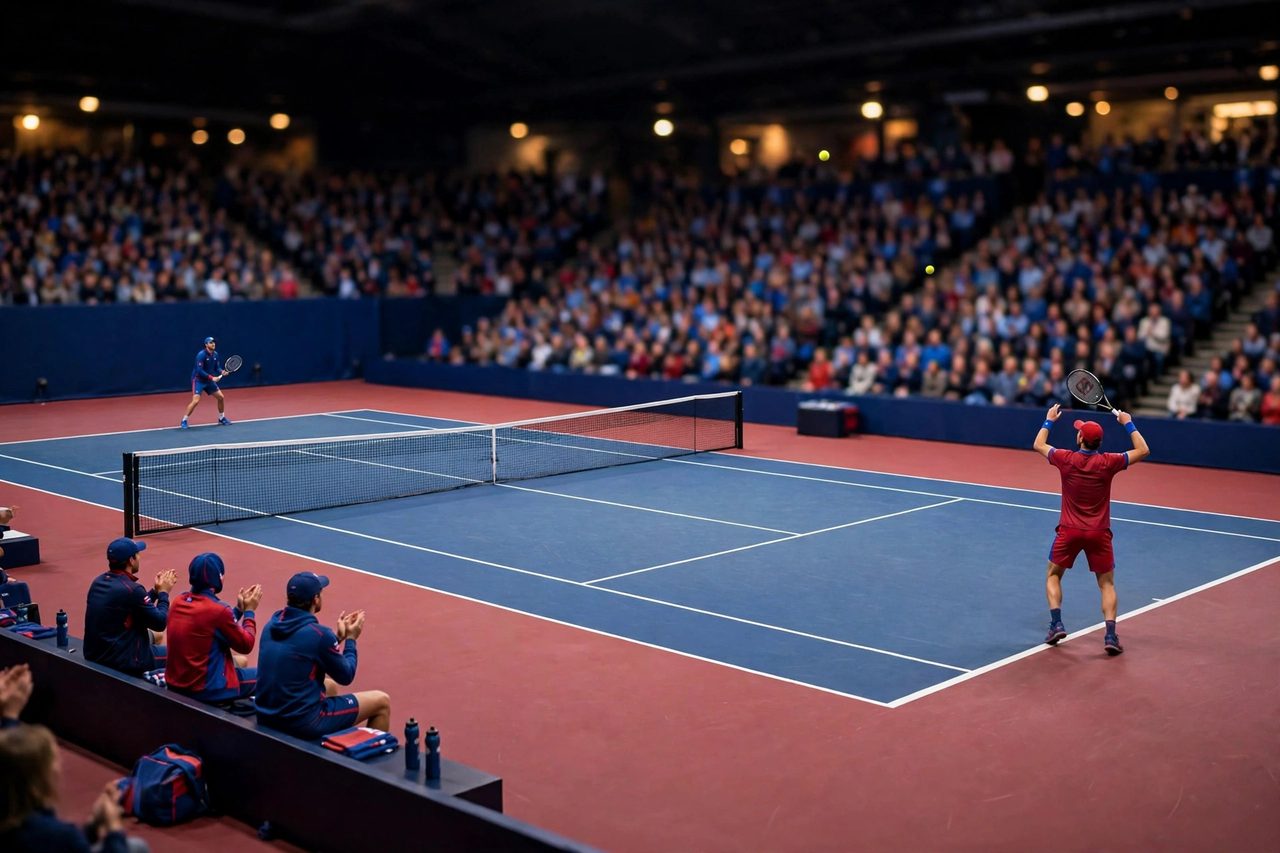
Davis Cup Finals 2026 Preview: Alcaraz Races to Bologna as Eight Teams Chase the Title
Eight teams meet in Bologna from November 24 to 29, with Carlos Alcaraz fresh from his ATP Finals win leading Spain into the quarter-finals.

Alcaraz Beats Zverev to Win His First ATP Finals Title
Carlos Alcaraz beat world No. 1 Alexander Zverev 6-2, 7-6(7) in the ATP Finals final in Turin on Sunday, saving three set points in the second-set tie-break to win the season-ending title for the first time.

French Debutants Arribage and Olivetti Win the ATP Finals — and Deny Pavic His Super Slam
Théo Arribage and Albano Olivetti beat Marcelo Arevalo and Mate Pavic 3-6, 7-6(7-2), 10-6 to win the ATP Finals doubles title in their first season together — and stop Pavic from completing the Career Super Slam.